 NeoBit Daily
Introduction to Neuromorphic Computing in 2026
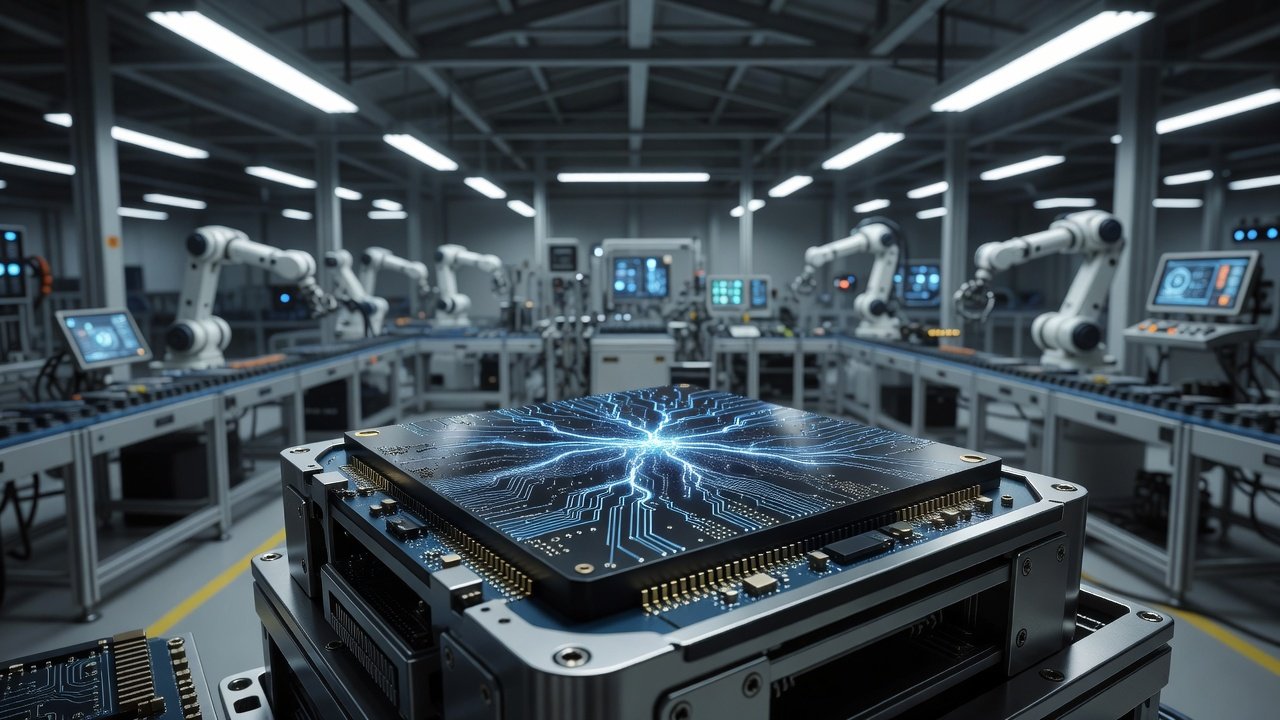
Neuromorphic chips are transforming edge AI and IoT applications by mimicking the brain's neural architecture for event-driven processing. In 2026, these processors deliver substantial energy savings for industrial sensors and smart devices compared to traditional GPUs and CPUs. This technology enables real-time decision making at the network edge without constant cloud connectivity. Organizations across manufacturing, logistics, and consumer electronics are adopting neuromorphic solutions to address power constraints in remote deployments. This article examines real-world deployments, detailed performance benchmarks on latency and power consumption, and practical advice for tech teams considering adoption. We also cover integration workflows, hardware compatibility considerations, comparisons to optical computing alternatives, ROI evaluation methods, common implementation pitfalls, and future scalability pathways.
Energy Savings and Performance Benchmarks
Neuromorphic chips excel in power efficiency for always-on edge processing tasks. Case studies from manufacturing environments demonstrate significant reductions in overall energy use versus GPUs for anomaly detection and predictive analytics workloads. Latency improvements allow faster response times on sensor data streams, while processing speed scales efficiently with sparse, event-based inputs typical of IoT networks. Enterprise examples include predictive maintenance systems in factories leveraging Intel Loihi architectures and smart city traffic monitoring platforms derived from IBM neuromorphic research. Direct comparisons reveal neuromorphic advantages in sparse data environments where GPUs handle dense computations but consume excess power during idle periods common in battery-powered sensors. Additional benchmarks from automotive testing show reduced heat generation, enabling compact designs without active cooling. These metrics position neuromorphic chips as ideal for applications requiring continuous monitoring with minimal infrastructure support.
Industrial IoT and Smart Device Deployments
Across industrial IoT landscapes, neuromorphic chips power vibration analysis sensors in oil and gas operations as well as environmental monitors in renewable energy installations. These deployments minimize the frequency of battery replacements and support uninterrupted operation in harsh conditions. Smart home ecosystems utilize the technology for advanced voice and gesture recognition features that maintain low energy profiles. Broader examples span agricultural IoT for soil moisture tracking and healthcare wearables that process biometric signals locally. Automotive edge computing units analyze camera and lidar feeds in real time, achieving safer autonomous functions through reduced dependency on external networks. Logistics companies employ neuromorphic-enabled trackers for asset monitoring across global supply chains, enhancing visibility while conserving resources. Such implementations highlight the versatility of neuromorphic designs in diverse operational contexts.
Integration Steps for Developers
Successful integration begins with thorough workload assessment to identify event-driven data patterns suitable for neuromorphic acceleration. Developers should then evaluate hardware platforms that natively support spiking neural network models. Mapping legacy algorithms involves conversion using established frameworks such as Lava or Nengo, followed by iterative testing in controlled edge simulations. Optimization focuses on aligning sensor interfaces with standard protocols like I2C, SPI, and UART for seamless connectivity. Teams are advised to prototype on development kits before scaling, incorporating power profiling tools to validate efficiency gains. Documentation from leading vendors assists in navigating firmware updates and debugging common synchronization issues during initial rollouts.
- Profile existing IoT data flows for sparsity and event frequency.
- Select neuromorphic hardware with verified ecosystem support.
- Iterate model conversions and benchmark against GPU baselines.
- Conduct field trials measuring end-to-end system performance.
Hardware Compatibility and Optical Computing Comparisons
Neuromorphic processors integrate effectively with ARM-based microcontrollers and select FPGA accelerators already present in many IoT gateways. Compatibility checks should prioritize native event-sensor support to unlock full efficiency potential. Optical computing alternatives provide exceptional throughput for matrix-heavy operations but lack the inherent adaptability of neuromorphic systems when handling variable real-world IoT conditions. Hybrid approaches combining both technologies are emerging for specialized high-bandwidth scenarios. Intel resources offer guidance on ensuring cross-platform interoperability in mixed environments.
ROI Calculations and Common Pitfalls
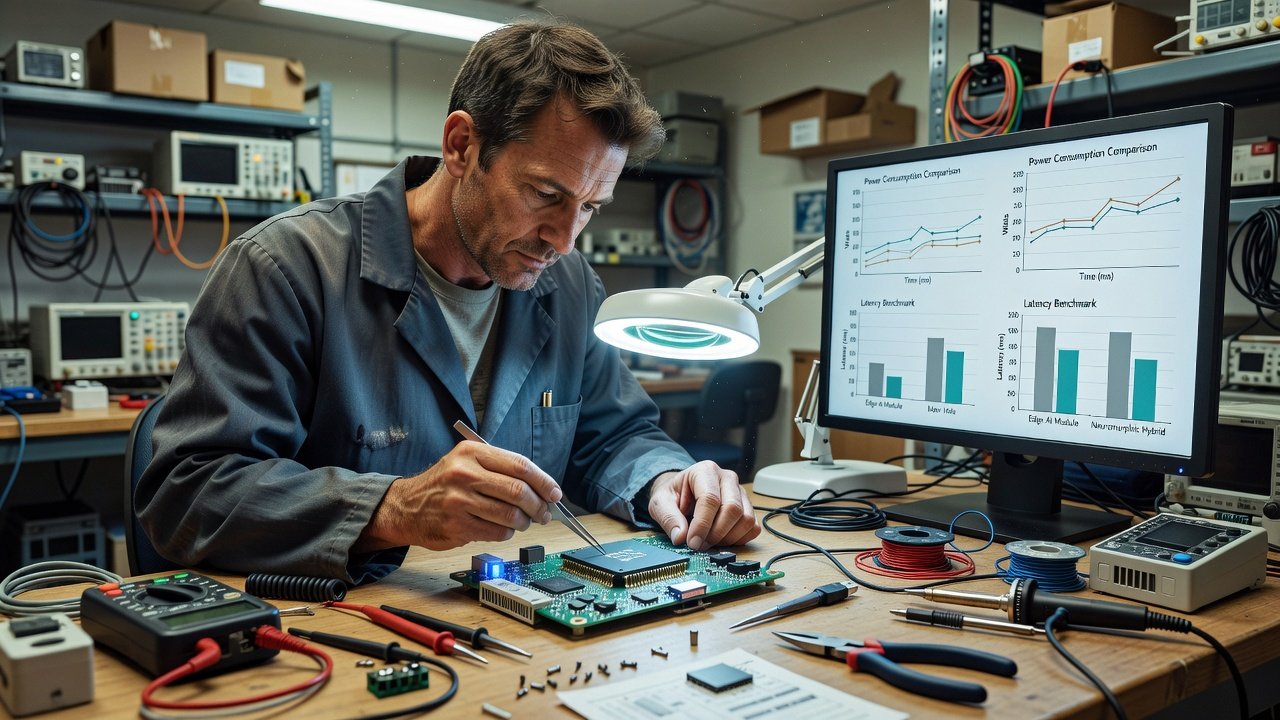
Evaluating return on investment requires modeling qualitative factors such as lowered operational overhead from reduced energy demands, decreased maintenance cycles, and accelerated local analytics that minimize cloud transmission expenses. Practical steps include establishing baseline metrics from current GPU or CPU setups, projecting multi-year operational improvements, and factoring in training investments for engineering staff. Common pitfalls encompass insufficient attention to software ecosystem maturity, leading to extended development timelines, and neglecting environmental factors like temperature fluctuations that affect long-term reliability in field deployments. Another frequent oversight involves selecting workloads ill-suited to event-based processing, where traditional GPUs retain advantages in high-density computation. Careful pilot programs help surface these issues early.
Future Scalability for Tech Teams
Scalability pathways benefit from modular chip architectures that facilitate incremental expansion across growing sensor networks. Emerging hybrid designs blend neuromorphic cores with conventional processors to address diverse workload mixes. Tech teams can prepare by investing in ongoing education around spiking neural network techniques and participating in open-source neuromorphic communities. Long-term outlooks suggest broader standardization that will simplify large-scale rollouts in enterprise settings. IBM and NVIDIA continue to publish insights on evolving hardware ecosystems supporting these transitions.
Conclusion
Neuromorphic chips represent a pivotal advancement for 2026 edge AI and IoT solutions by delivering superior efficiency where conventional GPUs encounter limitations. Structured integration approaches combined with awareness of potential challenges enable organizations to realize meaningful performance and sustainability gains across varied applications.
FAQ
What regulatory impacts affect neuromorphic chip adoption?
Updated guidelines on AI energy consumption and edge data handling are shaping deployment strategies, especially in sectors governed by environmental and privacy regulations.
How do supply chain considerations factor into latest tech news?
Diversification of semiconductor suppliers and regional manufacturing resilience remain key themes, prompting organizations to secure multiple sourcing channels for critical components.
Are there specific compatibility challenges with legacy IoT systems?
Yes, older sensor protocols may require adapters or firmware bridges, necessitating upfront compatibility audits during project planning phases.
What training resources support developer upskilling?
Vendor documentation, academic courses on neuromorphic engineering, and collaborative repositories provide structured pathways for teams transitioning from GPU-centric development.


No comments yet. Be the first!