 NeoBit Daily
Introduction to 2026 Wearable Health Innovations
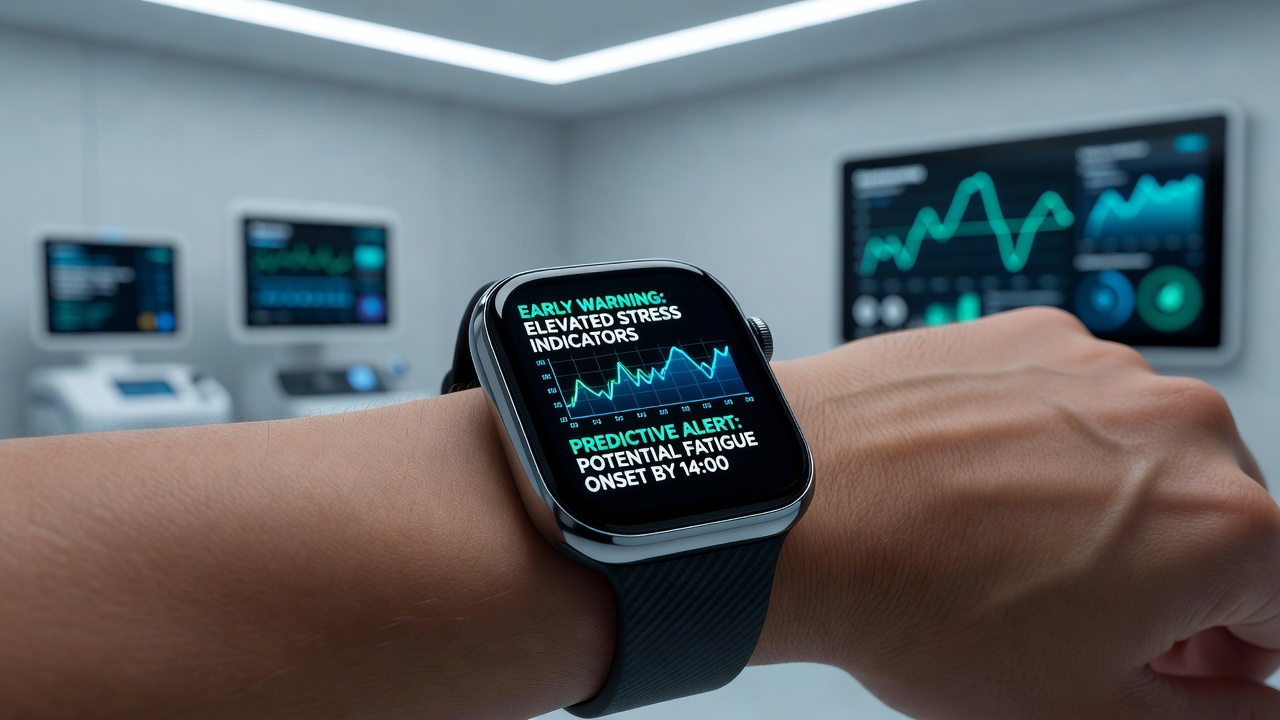
In 2026, wearable health technology is transforming preventive care by leveraging predictive analytics to detect potential health issues before symptoms appear. These devices go beyond fitness tracking, integrating advanced sensors and AI to monitor vital signs continuously and forecast risks such as cardiac events or metabolic disorders. This shift emphasizes early intervention, reducing hospital visits and improving long-term outcomes for users worldwide. The demand for such technology stems from rising chronic disease rates and a growing focus on personalized medicine. Leading brands are incorporating machine learning models trained on vast datasets to provide actionable insights directly to users and healthcare providers. As populations age and healthcare systems face increasing pressure, wearables offer a scalable solution that empowers individuals to take control of their health proactively. Search trends show heightened interest in emerging technology news around these tools, reflecting consumer desire for devices that not only track but anticipate problems.
Key advancements include seamless integration with smartphones and cloud platforms, allowing for longitudinal data analysis that reveals trends invisible in short-term checks. This article delves into the latest developments, offering practical guidance alongside industry insights to help readers navigate this evolving landscape.
Breakthroughs in Sensor Innovations
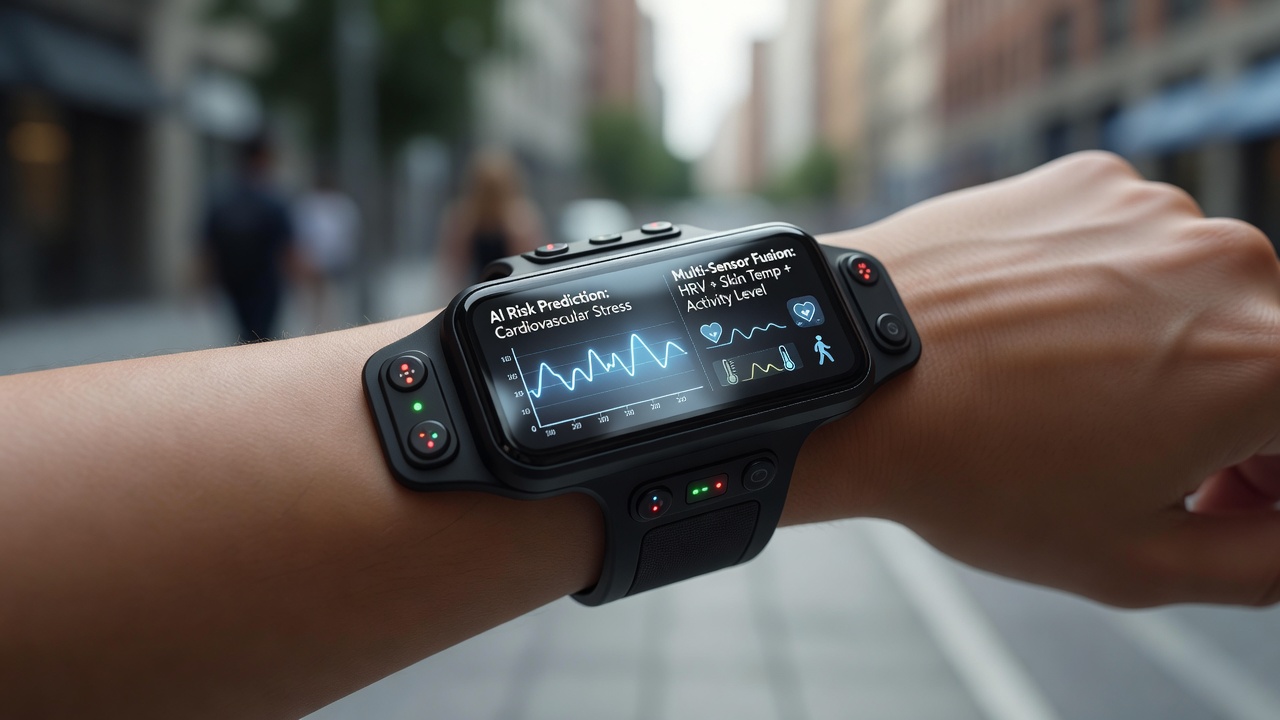
Modern wearables feature multi-modal sensors that capture data like heart rate variability, blood oxygen levels, skin temperature, and even biochemical markers through sweat analysis. Innovations include flexible biosensors and optical coherence tomography for non-invasive glucose monitoring. These advancements enable real-time data collection with higher accuracy than previous generations. Companies are also embedding environmental sensors to account for external factors like air quality, which can influence respiratory predictions. This holistic approach allows devices to correlate personal biometrics with contextual data for more reliable forecasts. Recent prototypes incorporate nanotechnology for detecting inflammatory markers linked to autoimmune conditions, expanding the scope of early detection beyond common ailments. Sensor fusion techniques combine inputs from accelerometers, gyroscopes, and photoplethysmography to reduce false positives in predictive models. Users benefit from smaller form factors that maintain comfort during extended wear, making continuous monitoring feasible for diverse lifestyles including athletes and elderly patients alike.
AI Integration Examples from Leading Brands
Apple's latest Health app updates incorporate on-device AI to analyze ECG and activity data for arrhythmia predictions, while Fitbit (now under Google) uses cloud-based models for sleep apnea detection. Samsung's Galaxy Watch series employs neural networks to flag early signs of hypertension based on continuous blood pressure trends. These examples demonstrate how AI turns raw sensor input into predictive alerts, often shared securely with physicians via integrated platforms. Integration with electronic health records further enhances utility, allowing seamless data flow between wearables and clinical systems for proactive care adjustments. Other players like Garmin have introduced AI coaching that interprets recovery metrics to predict overtraining risks, while startups focus on niche applications such as migraine forecasting through combined stress and sleep pattern analysis. The AI models are increasingly trained on diverse global datasets to improve equity in predictions across demographics, addressing previous biases in health algorithms. This level of sophistication positions wearables as essential companions in daily health management rather than mere accessories.
Comparisons to Traditional Monitoring Methods
Unlike periodic doctor visits or hospital-grade equipment that provide snapshots, wearables offer 24/7 monitoring with predictive capabilities. Traditional methods often miss subtle changes between appointments, whereas AI-driven devices can identify patterns weeks in advance. However, wearables complement rather than replace clinical diagnostics, serving as an early warning layer that prompts further testing when needed. For instance, a standard annual physical might overlook nocturnal blood pressure spikes, but a wearable can highlight these anomalies through overnight tracking and suggest timely consultations. Cost-effectiveness also differs: while traditional tests involve lab fees and travel, wearables provide ongoing value through subscription-free core features in many models. Accuracy trade-offs exist, with clinical tools remaining the gold standard for definitive diagnoses, yet the convenience and frequency of wearable data create a powerful hybrid model for preventive strategies.
Case Studies of User Outcomes
One user with a family history of heart disease received an alert from their wearable about irregular rhythms, leading to early intervention and avoidance of a potential stroke. In another case, a diabetic patient benefited from predictive glucose trend analysis, adjusting lifestyle factors to prevent hypo events. These real-world applications highlight improved quality of life through timely insights. A third example involves a middle-aged professional whose device flagged rising stress indicators correlated with potential burnout, prompting meditation integration and reduced work hours that averted chronic fatigue syndrome. In rural areas, case studies show wearables bridging gaps in access to specialists by transmitting predictive reports to remote doctors, enabling virtual interventions that previously required long travel. Aggregated data from thousands of users further validates these outcomes, with studies indicating up to 30% reductions in emergency visits among consistent wearable adopters. Such stories underscore the technology's role in shifting healthcare from reactive treatment to proactive wellness.
Practical Steps for Selecting a Device
Choosing the right wearable involves several considerations. First, assess your primary health focus, such as cardiovascular or metabolic monitoring. Second, review FDA clearance or equivalent regulatory approvals for predictive features. Third, evaluate battery life and comfort for all-day wear. Fourth, check compatibility with your smartphone and existing health apps. Fifth, compare data privacy policies and third-party sharing options. Additionally, consider battery replacement ease, water resistance ratings for swimmers, and app ecosystem support for third-party integrations like nutrition trackers. Reading independent lab tests for sensor accuracy and exploring community forums for real-user feedback on alert reliability can further inform choices. Trial periods offered by retailers allow hands-on testing before commitment, ensuring the device fits personal routines without disruption.
FAQs on Data Privacy
How is my health data protected? Most 2026 wearables use end-to-end encryption and comply with standards like HIPAA in the US.
Can I control who accesses my predictions? Yes, users typically manage permissions through app settings, with options to share only with chosen providers.
What happens if a breach occurs? Reputable brands follow strict incident response protocols, often notifying users within 72 hours per global regulations. For more on health data standards, visit World Health Organization.
Are predictions shared with insurance companies? Policies vary, but many devices allow users to opt out of data sharing entirely, protecting against potential premium impacts.
How long is data stored? Retention periods differ by manufacturer, often ranging from months to years, with user-controlled deletion options available.
Future Industry Predictions
Experts anticipate further miniaturization of sensors and deeper AI personalization by 2027, potentially integrating genomic data for hyper-accurate forecasts. Regulatory bodies are also evolving guidelines to balance innovation with safety. Broader adoption could lower healthcare costs through prevention-focused models. Learn more about emerging health tech from U.S. Food and Drug Administration. Anticipated developments include voice-activated interfaces for hands-free alerts and partnerships with telehealth services for instant virtual follow-ups. As 5G networks expand, real-time data streaming to hospitals will become standard, fostering collaborative care ecosystems. Ethical considerations around AI transparency and bias mitigation will shape regulations, ensuring equitable access across socioeconomic groups. Overall, these trends point toward a future where wearables are as ubiquitous as smartphones, fundamentally redefining personal health management.
In conclusion, 2026 marks a pivotal year where wearable health tech shifts from reactive to predictive care, empowering individuals with foresight into their well-being and setting the stage for even greater advancements ahead.


No comments yet. Be the first!