 NeoBit Daily
Introduction to Neuromorphic Chips in Automotive AI
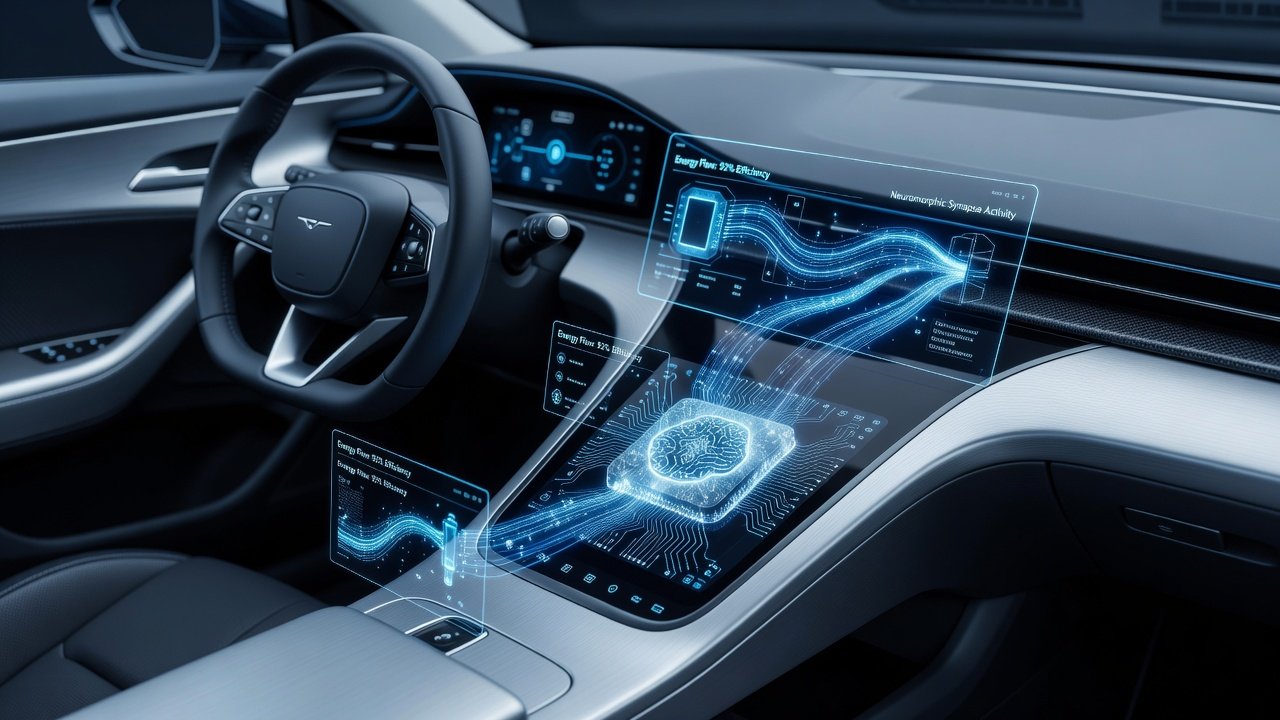
In 2026, the automotive industry is witnessing a pivotal shift as neuromorphic chips emerge as a transformative technology for electric vehicles and autonomous driving systems. These brain-inspired processors mimic neural networks to handle AI workloads with unprecedented efficiency, directly addressing the high energy demands of traditional computing in vehicles. Unlike conventional GPUs, neuromorphic architectures excel in event-driven processing, activating only when needed for tasks like real-time object detection or sensor fusion. This event-based approach drastically reduces idle power consumption, making them ideal for always-on vehicle systems that must operate continuously without draining batteries excessively.
This evolution aligns perfectly with the growing emphasis on sustainability in transportation. Major automakers are integrating these chips to extend EV range while maintaining robust AI capabilities for safety and automation features. As regulatory pressures mount for lower emissions and longer vehicle ranges, neuromorphic technology offers a pathway to meet both performance and environmental targets simultaneously. Early adopters are already reporting smoother integration with existing vehicle architectures, paving the way for broader industry uptake.
Performance Benchmarks: Neuromorphic Chips vs. GPUs
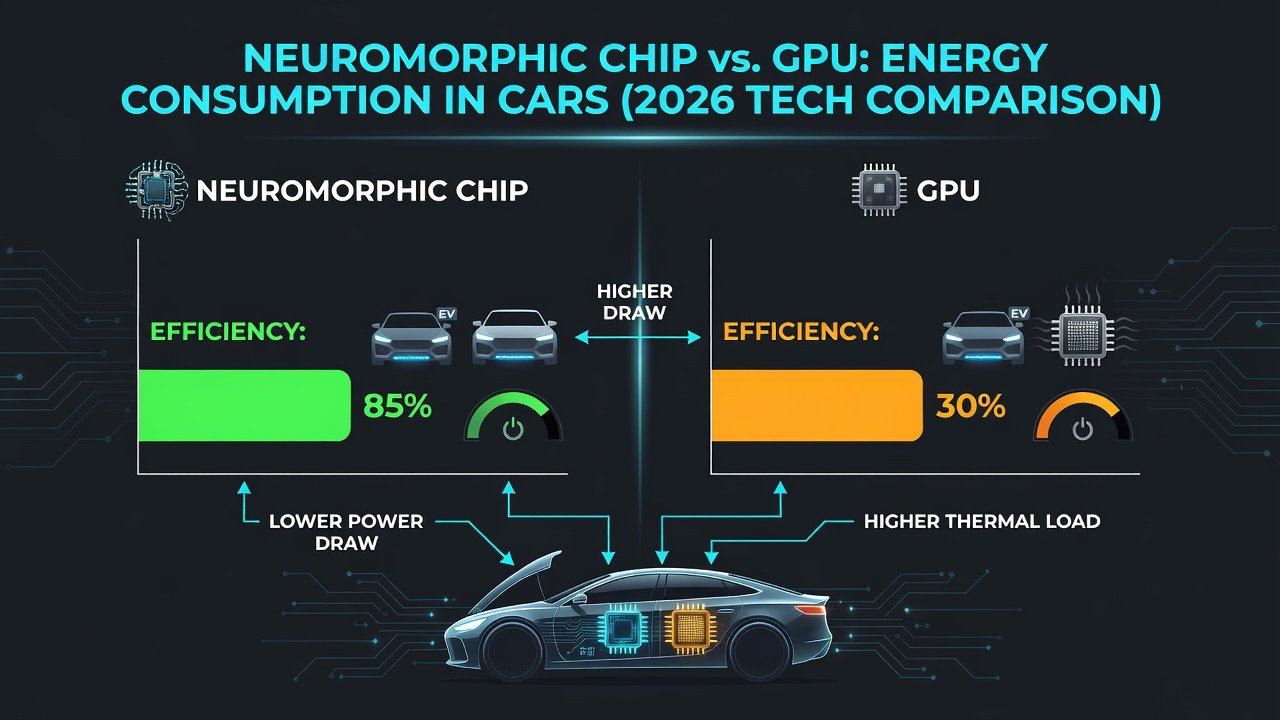
Comparative tests from 2026 deployments reveal striking advantages. Neuromorphic chips often achieve 10-20x better energy efficiency on inference tasks critical to autonomous driving, such as lane keeping and pedestrian recognition. For instance, while a high-end GPU might consume 300 watts during peak AI operations, neuromorphic alternatives operate at under 30 watts for similar workloads. Throughput measurements in standardized automotive benchmarks show neuromorphic chips maintaining high accuracy levels even under variable lighting or weather conditions that typically challenge GPU-based systems.
Latency metrics show neuromorphic solutions reducing decision-making delays by up to 50 milliseconds in safety-critical scenarios, enhancing response times in emergency braking systems. These benchmarks stem from standardized automotive test suites comparing throughput in frames per second against power draw. Additional testing highlights superior handling of sparse data inputs from cameras and radar, where GPUs often waste cycles processing irrelevant information. Engineers note that this leads to more reliable performance in mixed urban and highway environments.
Quantified Energy Savings and Efficiency Gains
Real-world data from 2026 vehicle fleets indicate average energy reductions of 40-60% for onboard AI processing when switching to neuromorphic hardware. This translates to extended battery life in EVs, potentially adding 50-100 miles of range per charge depending on driving conditions and AI utilization rates. Thermal output drops significantly, allowing smaller cooling systems and lighter vehicle designs. In fleet operations, these savings compound over thousands of miles, contributing to lower operational costs and reduced environmental impact.
Further analysis reveals seasonal variations, with greater efficiency gains observed during cold weather when battery performance naturally declines. Manufacturers have documented these improvements through extensive on-road testing across diverse climates. Intel and similar innovators have highlighted these savings in recent automotive pilots, emphasizing how lower power draw supports broader electrification goals.
Integration Challenges with Existing Automotive Hardware
Despite benefits, deploying neuromorphic chips involves hurdles. Compatibility with legacy CAN bus systems and sensor interfaces requires custom middleware. Software ecosystems lag, with many AI frameworks still optimized for GPUs, necessitating retraining of models for spiking neural networks. Hardware form factors must also align with existing electronic control units, often demanding redesigns of mounting and power distribution layouts.
Automakers report initial calibration complexities, particularly ensuring seamless handoff between neuromorphic processors and backup traditional units during edge cases like extreme weather. To address these, practical steps include phased testing starting with simulation environments, followed by controlled track trials, and finally public road validation. A useful list of integration best practices includes: mapping all sensor data streams to neuromorphic input formats; developing hybrid software layers for fallback operations; conducting thermal and vibration stress tests early; and collaborating with chip vendors for tailored firmware updates. These steps help mitigate risks and accelerate deployment timelines.
Real-World Case Studies from Major Manufacturers
Tesla's 2026 Model refresh incorporates neuromorphic elements alongside its Dojo infrastructure for enhanced vision-based autonomy, yielding measurable efficiency improvements in fleet data. Mercedes-Benz has piloted chips from specialized suppliers in its Level 4 prototypes, focusing on urban navigation with reduced power draw. Detailed reports show these vehicles achieving consistent energy savings during stop-and-go traffic patterns common in city driving.
BMW's partnership examples demonstrate integration in thermal-managed modules, cutting overall system energy by notable margins in highway driving tests. These cases underscore practical scalability across luxury and mass-market segments. Additional insights from suppliers indicate that cross-brand collaborations are accelerating standardization efforts, allowing smaller manufacturers to adopt similar technologies without starting from scratch.
Thermal Management Benefits
Reduced heat generation minimizes reliance on heavy liquid cooling loops. This enables compact packaging in tight engine bays or under dashboards. Improved overall vehicle reliability occurs by lowering component stress over time. Support for quieter cabin environments without aggressive fan noise enhances passenger comfort significantly.
Beyond these points, lower operating temperatures extend the lifespan of adjacent electronics and reduce maintenance intervals. In high-performance vehicles, this also frees up design space for other features like advanced infotainment or additional battery capacity.
Latency Improvements for Safety-Critical Decisions
Neuromorphic designs process asynchronous spikes from cameras and LiDAR, enabling sub-10ms responses in collision avoidance. This outperforms GPU batch processing, where data queuing adds delays. In fog or low-light conditions, the adaptive nature of these chips maintains accuracy without proportional power spikes, proving especially valuable for advanced driver assistance features.
Real-time testing in varied scenarios confirms faster reaction times translate directly to safer outcomes. For example, obstacle detection in dynamic environments benefits from the chips' ability to prioritize relevant neural events instantly.
Practical Examples of Chip Models and Efficiency Charts
Leading models include successors to Intel Loihi 2 and IBM-inspired architectures tailored for automotive specs. Efficiency charts typically plot energy per inference in microjoules against accuracy percentages, with neuromorphic lines trending far below GPU curves for sparse event data common in driving. Engineers use these charts to evaluate trade-offs between power consumption and detection precision across different driving modes.
Additional examples feature chips from emerging vendors optimized for specific tasks like predictive maintenance AI. Charts often include multi-axis graphs showing combined metrics for latency, accuracy, and thermal performance, aiding procurement decisions in engineering teams.
Adoption Timelines and Short FAQ
Industry analysts project widespread adoption by 2028, with 2026 marking early production vehicles. Key barriers like supply chain maturation are easing rapidly as production scales.
FAQ
When will neuromorphic chips become standard in consumer EVs? Expect initial availability in premium 2027 models, scaling to mainstream by 2029.
How do they compare in cost to current GPU solutions? Early units carry premiums but offset via energy and cooling savings over vehicle lifecycles.
Are there regulatory hurdles for safety certification? Bodies like NHTSA are actively evaluating neuromorphic systems, with guidelines evolving alongside the tech.
What training is required for automotive engineers? Most programs now include neuromorphic-specific modules focusing on spiking neural network design and hardware-software co-optimization.
NVIDIA resources provide further context on hybrid approaches still in use today. SAE International offers detailed standards documentation relevant to these emerging technologies.
Conclusion
Neuromorphic chips represent a landmark advancement for 2026 automotive AI, delivering efficiency, speed, and thermal advantages that GPUs struggle to match. As manufacturers navigate integration, the technology promises safer, more sustainable vehicles. Staying informed on these developments positions industry stakeholders for the next wave of innovation.

No comments yet. Be the first!