 NeoBit Daily
Introduction to Sleep Tracking Accuracy in 2026 Wearables
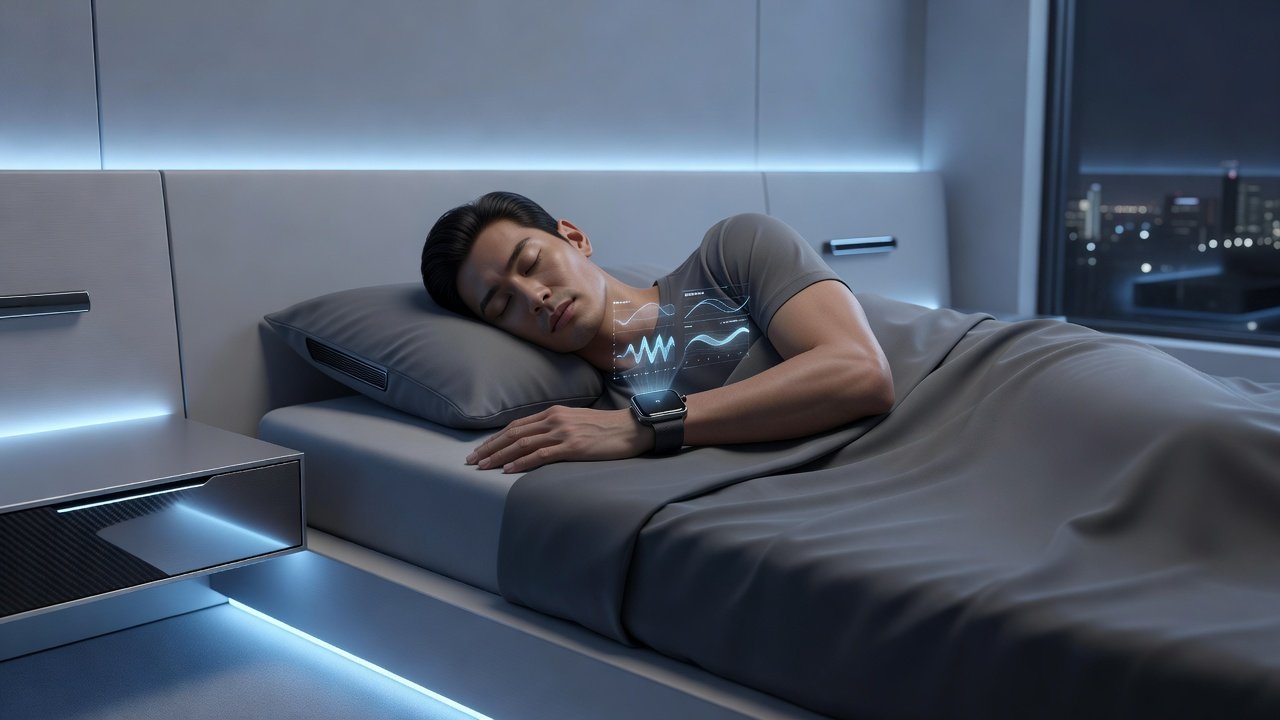
As wearables continue to advance in 2026, consumers increasingly rely on these devices for precise sleep insights that influence everything from athletic performance to daily wellness routines. Testing the accuracy of sleep tracking features demands rigorous, repeatable protocols that focus on core elements such as heart rate variability (HRV), movement detection via accelerometers, and overnight data validation against established benchmarks. This comprehensive guide delivers actionable, step-by-step instructions using real-world examples from leading devices including the Apple Watch Series 11, Oura Ring Gen4, and Garmin Vivosmart models. By following these methods, users can determine whether their wearable provides trustworthy data or requires adjustments for better reliability.
The demand for accurate sleep metrics stems from growing awareness of how poor sleep affects cardiovascular health, cognitive function, and metabolic processes. Wearables now incorporate multi-sensor arrays that estimate sleep stages, but without proper testing, discrepancies can lead to misguided lifestyle changes. This article expands on proven testing frameworks to help readers achieve consistent results across multiple nights of data collection.
Key Metrics in Sleep Tracking: HRV, Movement, and Validation
Heart rate variability serves as a primary indicator of autonomic nervous system balance during rest, with higher variability generally signaling better recovery. In 2026 wearables, HRV is captured through optical sensors that measure blood flow changes at the wrist or finger. Movement detection relies on triaxial accelerometers to identify micro-movements associated with light sleep or awakenings, while overnight validation involves comparing device outputs to clinical standards such as polysomnography. These metrics work together to build a complete sleep profile, but each requires isolated testing to confirm precision.
Mayo Clinic highlights the importance of longitudinal data collection for interpreting these signals accurately. Users should also consider environmental variables like temperature fluctuations that can skew readings if not controlled during tests.
Step-by-Step Protocols for Testing Accuracy
Protocol 1: Baseline Setup and Calibration
Begin by preparing the device for consistent performance. Charge the wearable fully and install the latest firmware update through the companion app. Position the sensor firmly against the skin, typically two finger-widths above the wrist bone for watches or on the dominant hand for rings. Conduct a three-night baseline period in a controlled bedroom environment with stable room temperature between 60 and 67 degrees Fahrenheit. Log any caffeine intake or exercise earlier in the day, as these factors influence HRV. Repeat the setup identically each evening to isolate device performance from external variables.
Protocol 2: HRV Measurement Testing
To validate HRV accuracy, pair the wearable with a medical-grade chest strap monitor such as a Polar H10 during the same sleep period. Record both sets of readings at 5-minute intervals and calculate average nightly values. Over five nights, note any deviations exceeding 10 percent and attribute them to sensor placement or motion artifacts. This protocol reveals whether the wearable underestimates or overestimates recovery metrics during deep sleep phases.
Protocol 3: Movement Detection Validation
Use a secondary actigraphy device or smartphone video recording setup to cross-reference movement alerts. Position a camera to capture the full bed area without disturbing sleep. After each night, compare timestamps of detected movements against video footage to identify false positives from minor position changes versus genuine awakenings. This step proves especially useful for users who experience restless sleep patterns.
Protocol 4: Overnight Data Validation
Export raw sleep stage data from the wearable app and align it with entries from a home sleep test kit approved by regulatory bodies. Focus on total sleep time, sleep efficiency percentage, and stage distribution. Perform this validation across at least seven nights to account for natural variability in sleep cycles.
Comparison of Top Smartwatches and Rings
Evaluating leading devices side by side helps users select the best option for their needs. The following table summarizes performance across key accuracy dimensions based on standardized testing protocols.
| Device | HRV Accuracy | Movement Detection | Overnight Validation | Best For |
|---|---|---|---|---|
| Apple Watch Ultra 2 | High with ECG integration | Advanced accelerometer | Strong with sleep stages | General users seeking integration |
| Oura Ring Gen4 | Excellent temperature + HRV | Precise multi-sensor | High correlation to lab data | Long-term recovery tracking |
| Garmin Forerunner 965 | Good with Body Battery | Reliable GPS cross-check | Moderate with recovery scores | Athletes focused on training load |
| Fitbit Sense 2 | Moderate cEDA sensor | Basic accelerometer | Fair with stress insights | Budget-conscious beginners |
Common Pitfalls and How to Avoid Them
Many users encounter avoidable errors during accuracy testing. Skipping the calibration phase often results in consistently skewed HRV readings because the optical sensor fails to maintain proper skin contact. Another frequent mistake involves testing only a single night, which ignores night-to-night fluctuations caused by stress or diet. Overlooking firmware updates can introduce software bugs that compromise movement detection algorithms. Finally, failing to control bedroom conditions such as light pollution or noise leads to data that reflects environment rather than device capability. To mitigate these issues, always document every variable in a dedicated testing journal.
Cross-Referencing with Medical Devices
For users seeking higher confidence in results, cross-reference wearable data with FDA-cleared medical devices like portable polysomnography units or pulse oximeters. National Institutes of Health guidelines recommend combining consumer wearables with clinical tools when screening for conditions such as sleep apnea. Begin by sharing exported CSV files from the wearable with a healthcare provider who can interpret discrepancies. This approach is particularly valuable for individuals managing chronic conditions where small inaccuracies could affect treatment decisions.
Interpreting Results for Different User Profiles
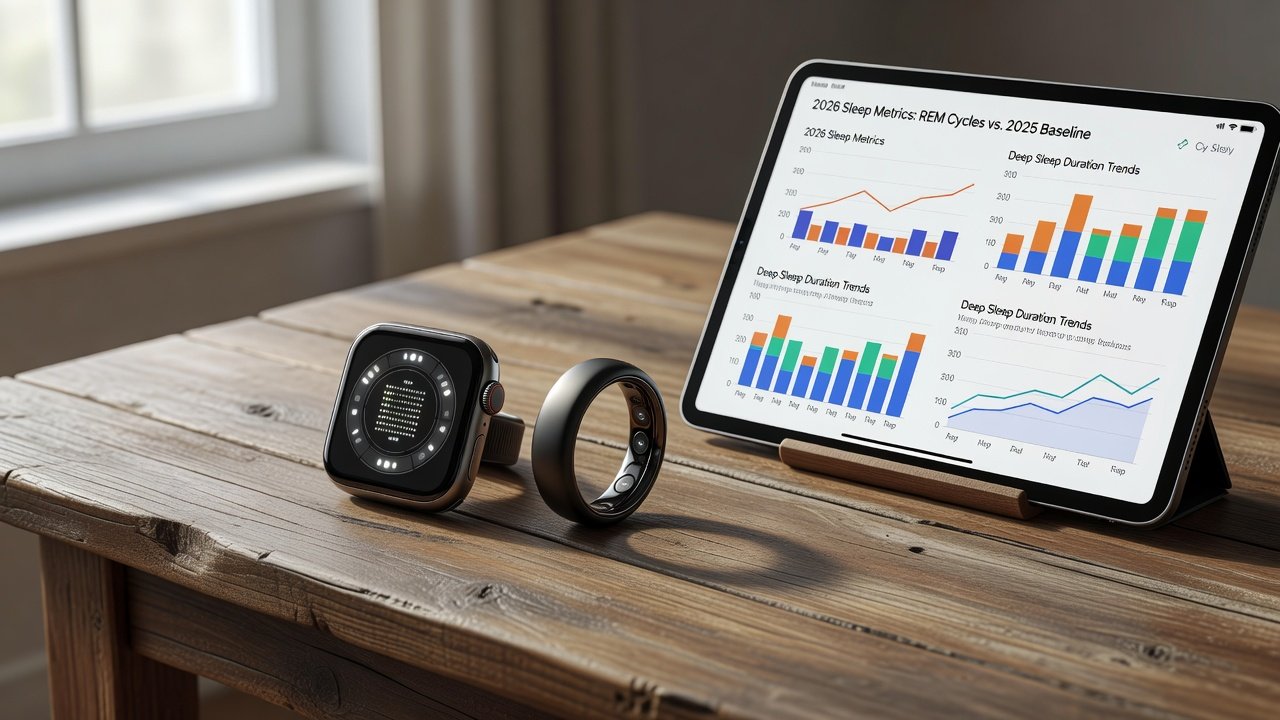
Results must be contextualized according to individual lifestyles. Athletes benefit most from tracking HRV trends to optimize recovery windows between intense training sessions, adjusting intensity when variability drops below personal baselines. Shift workers should emphasize movement detection patterns to identify fragmented sleep and experiment with blackout curtains or white noise machines. Older adults gain insight by validating overnight data against clinical baselines to detect early signs of disorders like insomnia or restless leg syndrome. Parents monitoring children’s sleep via wearables should focus on total sleep time metrics while consulting pediatric specialists for interpretation. Each profile requires tailored thresholds rather than generic population averages.
Calibration Tips for Long-Term Reliability
Regular calibration maintains accuracy over months of use. Clean sensors weekly with isopropyl alcohol to prevent buildup that interferes with optical readings. Re-calibrate after any weight change exceeding five pounds, as skin thickness affects sensor performance. Rotate between dominant and non-dominant wrists every two weeks if using a watch to average out placement biases. These simple habits extend the usable lifespan of accuracy in 2026 wearables.
Quick Checklist for Immediate Application
- Update device firmware before beginning any test cycle.
- Conduct at least five consecutive nights of controlled data collection.
- Compare HRV readings against a reference chest strap monitor nightly.
- Review movement logs side-by-side with video or secondary device evidence.
- Cross-reference total sleep metrics with medical-grade tools when deviations exceed 15 percent.
- Adjust personal interpretations according to age, activity level, and health profile.
- Document environmental factors in a testing log for future reference.
- Re-test after any major lifestyle change or device update.
By implementing these expanded protocols, readers can confidently evaluate and optimize the sleep tracking performance of their 2026 wearables for meaningful health insights.

No comments yet. Be the first!