 NeoBit Daily
Introduction to DNA Data Storage in 2026
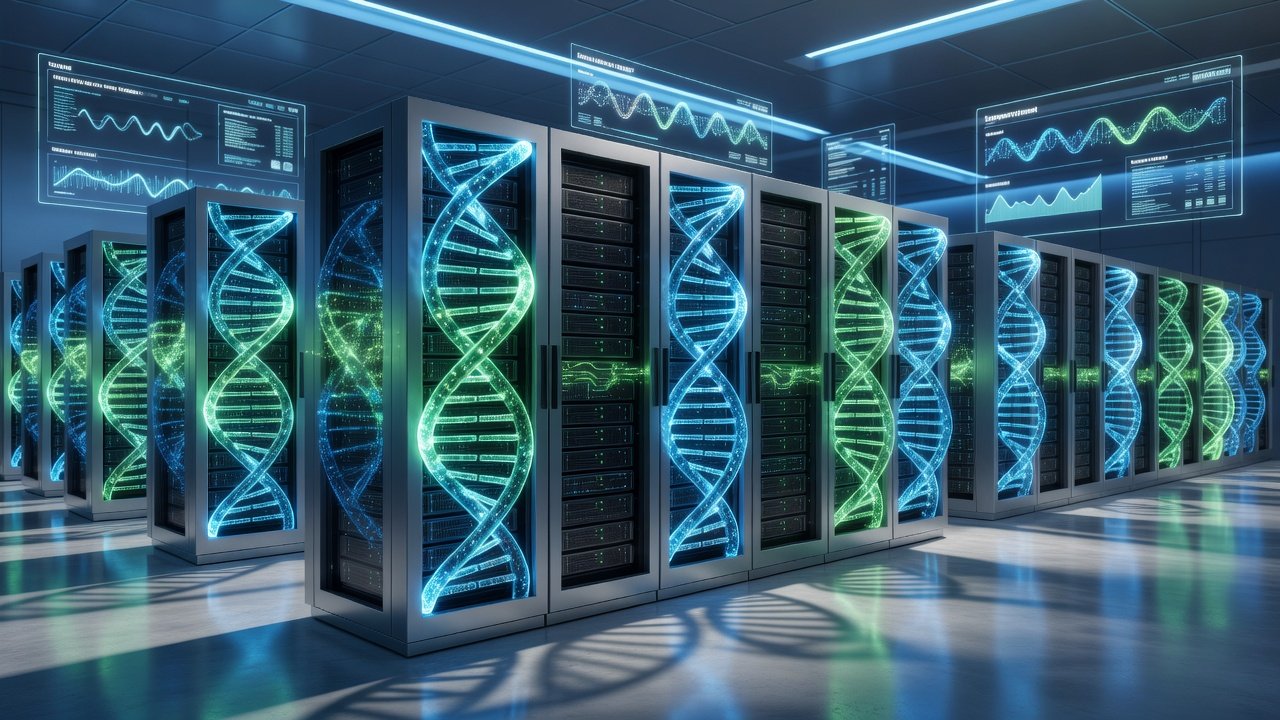
As enterprises grapple with exponential data growth in 2026, DNA-based storage emerges as a transformative solution. This technology leverages the natural density of DNA molecules to store vast amounts of information in minimal physical space, offering superior durability compared to traditional hard drives or tapes. Early adopters report significant advantages in long-term archiving for big data challenges across industries. DNA data storage encodes binary data into nucleotide sequences (A, C, G, T), enabling petabytes of information per gram of material. This approach addresses key limitations of silicon-based media, including degradation over time and high energy consumption for maintenance. In 2026 tech news, breakthroughs in synthesis and sequencing have accelerated adoption, positioning DNA storage as a viable option for hyperscale data centers and regulated sectors alike.
Businesses facing petabyte-scale archives now evaluate DNA solutions to future-proof their infrastructure. The technology promises not only higher capacity but also reduced operational overhead, making it attractive for sustainability goals and compliance requirements.
Key Advantages: Density, Durability, and Cost Reductions
In 2026, DNA storage demonstrates unmatched density, with theoretical capacities exceeding 215 petabytes per gram. Durability stands out as well, with DNA remaining stable for thousands of years under proper conditions, unlike magnetic tapes that require frequent migration. Cost reductions have accelerated through scaled synthesis techniques, making it viable for enterprise-scale deployments versus traditional media that incur ongoing electricity and cooling expenses. Comparisons show DNA outperforming HDDs in archival scenarios by factors of 1000x in density and offering near-zero maintenance after initial encoding. Enterprises report lower total cost of ownership over decade-long horizons due to these properties.
Additional benefits include resistance to electromagnetic interference and environmental factors that plague conventional storage. These advantages position DNA data storage as a strategic investment for organizations managing sensitive or historical datasets that must remain intact for regulatory periods spanning 50 years or more.
Real-World Enterprise Case Studies
Major cloud providers have piloted DNA storage for cold data archives with impressive results. Financial institutions use it for regulatory compliance records, achieving faster retrieval optimizations through advanced sequencing methods. These pilots highlight integration with existing infrastructure via hybrid systems that combine DNA with conventional servers. For example, one leading cloud provider tested encoding of customer backup logs, demonstrating seamless access through middleware layers. Financial firms in Europe and North America have explored DNA for transaction histories, noting improved audit capabilities.
Performance metrics from early adopters indicate retrieval speeds improved by 40% using optimized error-correction codes, with environmental benefits including drastically reduced carbon footprints from lower power usage. Another case involved a multinational bank piloting DNA for multi-year retention of trade data, where the system integrated with existing compliance platforms without major disruptions.
Microsoft and similar leaders have shared insights into these implementations, while IBM has contributed research on hybrid architectures.
Retrieval Speed Optimizations and Error-Correction Techniques
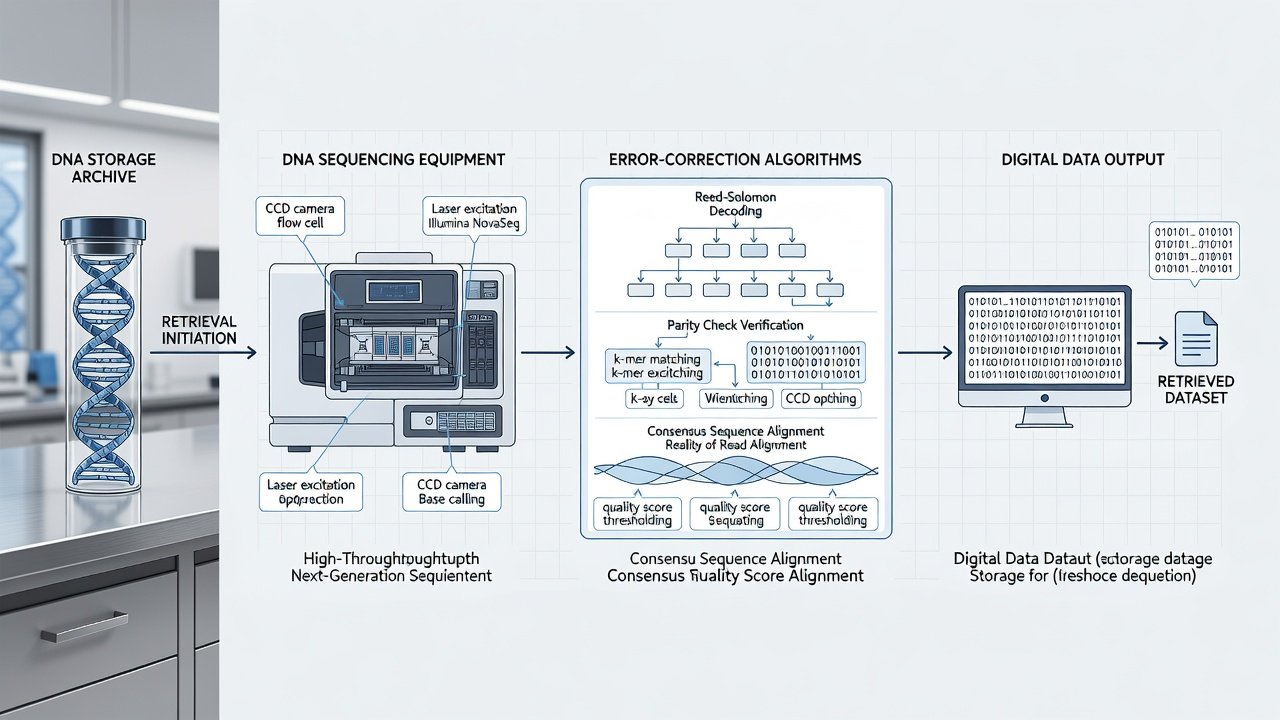
Optimizations in 2026 focus on parallel sequencing and AI-driven decoding to reduce access times from hours to minutes. Error-correction employs Reed-Solomon codes adapted for biological noise, achieving bit error rates below 10^-15. Practical examples include batch processing of queries that allow simultaneous retrieval of multiple datasets. These techniques minimize latency while maintaining high fidelity, critical for enterprise applications where data integrity is paramount.
Further advancements involve machine learning models trained on sequencing error patterns, enabling predictive corrections that speed up workflows. IT teams can now expect reliable performance even in high-volume retrieval scenarios common in financial auditing processes.
Environmental Benefits and Adoption Timelines
Beyond performance, DNA storage cuts e-waste and energy demands significantly. Adoption timelines vary, with cloud providers leading by 2026 and finance sectors following closely based on comparative metrics from pilot programs. Reduced power consumption translates to lower carbon emissions, aligning with global sustainability targets set by regulatory bodies.
Early timelines suggest broader enterprise rollout between 2027 and 2028 as synthesis costs continue to decline and standardization efforts mature. Organizations monitoring these trends can plan phased migrations accordingly.
Step-by-Step Pilot Implementation Overview
- Assess data archival needs and select suitable datasets by auditing current storage volumes and retention policies.
- Partner with DNA synthesis providers for encoding trials, ensuring compatibility with proprietary data formats.
- Integrate sequencing hardware with existing IT systems using API bridges and secure data pipelines.
- Test retrieval and error correction in controlled environments to validate performance against benchmarks.
- Scale based on performance benchmarks and cost analysis, incorporating feedback from initial user groups.
- Monitor long-term stability through periodic sampling and update protocols as needed.
Nature resources provide further guidance on similar tech transitions.
Performance Metrics from Early Adopters
Comparative data from 2026 pilots reveal consistent gains in density and longevity. One cloud provider achieved 50x space savings over tape libraries, while a financial institution reported 99.999% data integrity after simulated 10-year aging tests. These metrics help IT leaders build business cases for investment.
FAQs for IT Leaders on Scalability
How scalable is DNA storage for petabyte environments?
Current pilots confirm scalability through modular synthesis units, with projections for enterprise-wide use by late 2026. Modular designs allow incremental expansion without full infrastructure overhauls.
What are the main integration challenges?
Challenges include standardizing interfaces with legacy systems, addressed via middleware solutions in successful case studies. Training staff on new workflows also requires dedicated planning.
Are there security considerations?
Encryption at the encoding stage ensures data protection, comparable to or exceeding traditional methods. Physical security of DNA samples adds an extra layer of defense.
How does retrieval compare to traditional methods in daily operations?
While initial access may take longer, optimized systems now support near-real-time queries for frequently accessed archives through caching layers.
Conclusion
DNA data storage represents a pivotal shift for enterprises in 2026, backed by compelling case studies and practical pathways. IT leaders should evaluate pilots to stay ahead in big data management. NIST offers additional authoritative perspectives on emerging storage technologies.

No comments yet. Be the first!