 NeoBit Daily
Introduction: Digital Twins Take Center Stage in 2026 Manufacturing
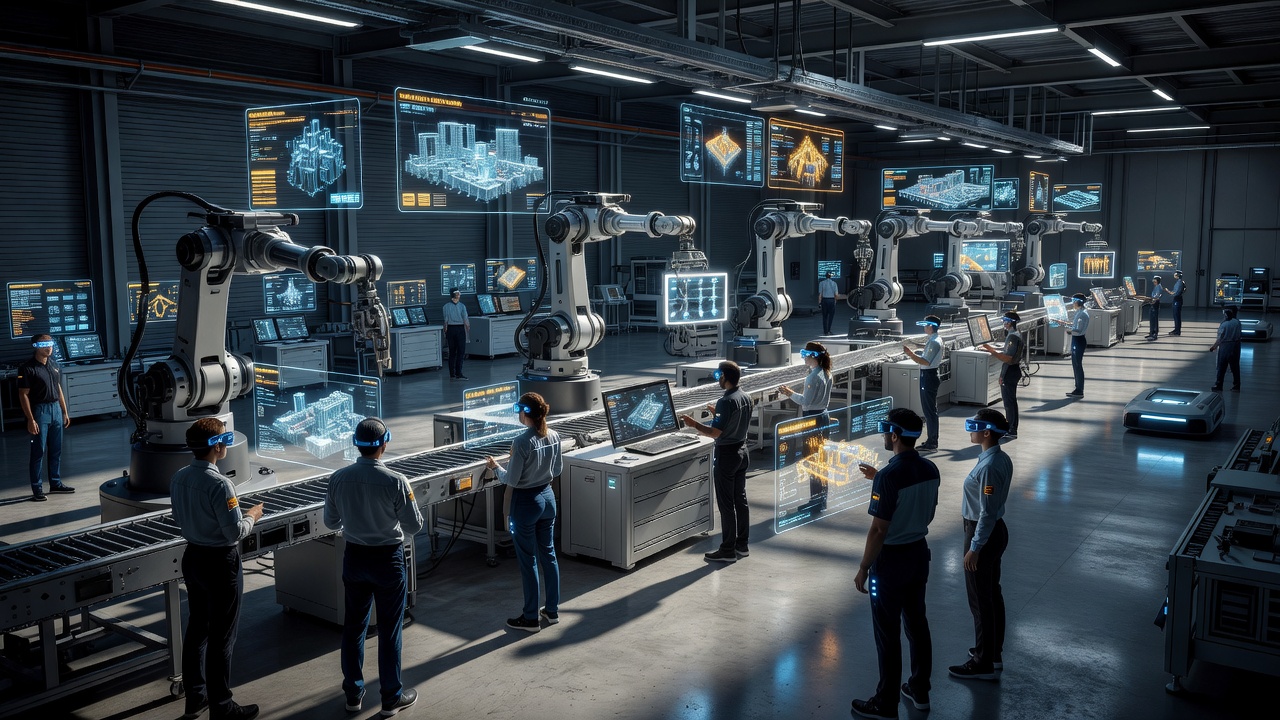
In the first half of 2026, digital twin technology has emerged as a transformative force in smart manufacturing. Virtual replicas of physical assets, processes, and supply chains are enabling companies to simulate operations, predict issues, and optimize performance in real time. This listicle-style deep dive examines the latest tech developments, practical applications from industry leaders like Siemens and GE, and actionable steps for mid-size manufacturers seeking to stay competitive amid rapid industry evolution. The technology is no longer experimental; it has become a core component of digital transformation strategies across global supply networks.
Key 2026 Breakthroughs in Digital Twin Technology
The first six months of 2026 brought notable advancements in digital twin capabilities. Enhanced AI algorithms now allow twins to process complex variables like supply chain disruptions and energy fluctuations with greater precision. Integration with edge computing has reduced latency, making real-time updates feasible even in large-scale facilities. These developments build on earlier foundations but introduce new layers of predictive accuracy that were previously unattainable in industrial settings. Breakthroughs also include improved interoperability standards that let twins from different vendors communicate seamlessly.
What Are Digital Twins and Why They Matter Now
Digital twins create dynamic virtual models that mirror real-world systems using data from sensors and simulations. By mid-2026, advancements in AI and computing power have made these models more accurate and accessible than ever before. Manufacturers use them to test scenarios without disrupting live production lines, leading to safer experimentation and faster iteration cycles. The technology spans from individual machine twins to entire factory ecosystems and global supply networks. Their importance lies in bridging the physical and digital worlds, allowing teams to visualize hidden inefficiencies and test corrective actions in a risk-free environment.
Integration with IoT Sensors: The Backbone of Real-Time Insights
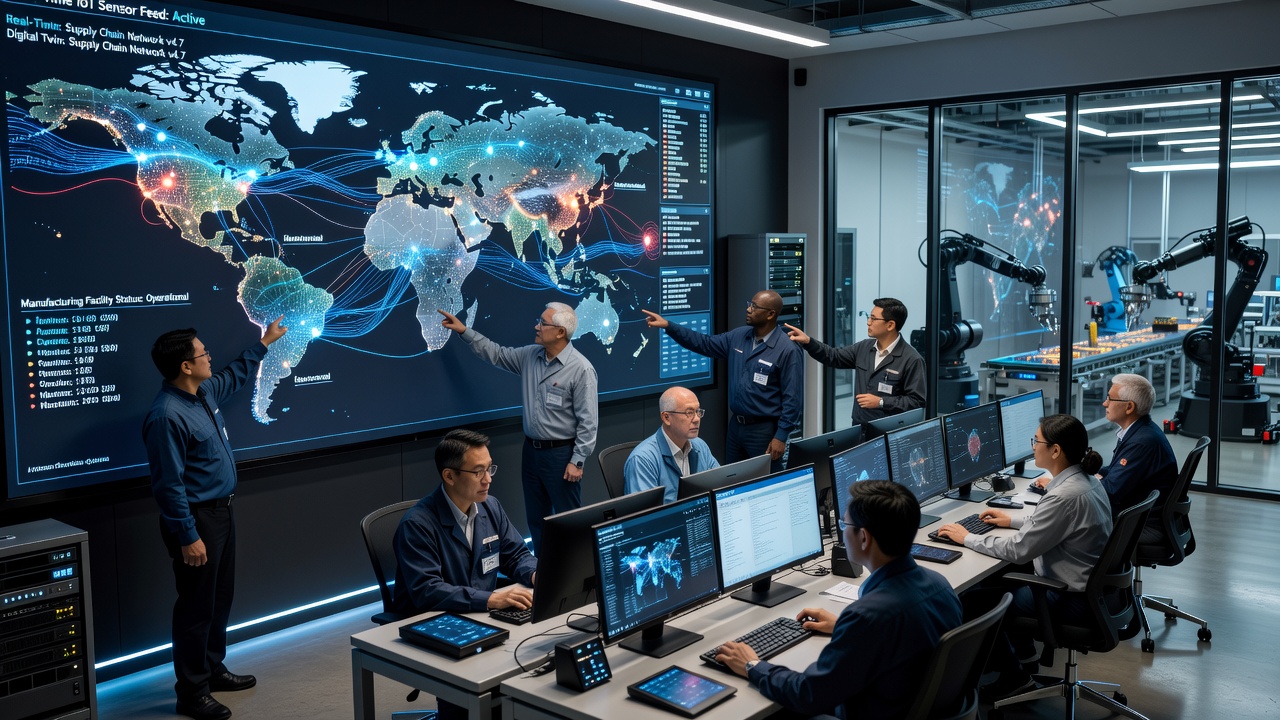
IoT sensors form the data foundation for digital twins. In 2026 updates, enhanced sensor networks feed continuous streams into twin platforms, allowing for instantaneous updates to virtual models. This integration supports predictive maintenance and process optimization across factories. Sensors monitor variables such as temperature, vibration, and throughput, feeding data that enables twins to forecast equipment wear or production bottlenecks days or weeks in advance. Newer sensor arrays also incorporate environmental metrics like humidity and emissions, supporting broader sustainability tracking.
Real-Time Simulation Examples from Siemens and GE
Siemens has deployed digital twins in automotive plants to simulate assembly line changes, reducing downtime by testing adjustments virtually. Siemens reports significant efficiency gains through these models. Similarly, GE uses twins for turbine and supply chain simulations, identifying bottlenecks before they impact operations. GE highlights how real-time data fusion enables proactive decision-making. Additional examples include GE's use of twins to model wind turbine performance under varying weather conditions, allowing operators to adjust blade angles preemptively for maximum output. Siemens has also applied twins in pharmaceutical production to simulate batch processes, ensuring consistent quality while minimizing waste.
ROI Comparisons: Digital Twins vs Traditional Monitoring
Traditional monitoring relies on periodic checks and reactive fixes, often leading to unplanned outages. Digital twins offer proactive insights, with 2026 case studies showing faster returns through reduced maintenance costs and higher uptime. Mid-size firms report improved throughput compared to legacy systems. In one documented scenario, a manufacturing plant transitioned from scheduled inspections to twin-driven predictions and achieved measurable reductions in emergency repairs while increasing overall equipment effectiveness. The shift also supports better capital planning by extending asset lifespans through optimized usage patterns.
Implementation Steps for Mid-Size Manufacturers
Successful adoption requires a structured approach. Begin by assessing current infrastructure and identifying high-impact assets such as critical machinery or high-volume production lines. Next, select IoT-enabled platforms compatible with existing equipment, ensuring seamless data flow. Pilot a single production line to validate the twin model, gathering feedback from operators and engineers. Train teams on data interpretation and simulation tools through hands-on workshops. Finally, scale gradually while monitoring security and performance metrics, adjusting the model based on real-world outcomes.
- Conduct a full audit of sensors, networks, and software systems already in place.
- Partner with vendors experienced in industrial IoT to customize the initial twin setup.
- Run parallel simulations against historical data to calibrate accuracy before live deployment.
- Establish clear KPIs such as mean time between failures or energy consumption reductions.
- Iterate on the model quarterly to incorporate new data sources or process changes.
Data Security Concerns and Mitigation Strategies
How secure are digital twin platforms? Leading solutions employ encryption and access controls to protect sensitive operational data. What risks exist with cloud-based twins? Regular audits and compliance with standards mitigate potential vulnerabilities in connected environments. Can data be kept on-premises? Hybrid models allow manufacturers to retain core data locally while leveraging cloud analytics for advanced simulations. How do companies handle third-party access? Role-based permissions and continuous monitoring prevent unauthorized viewing of proprietary process information. What role does compliance play? Aligning with frameworks from organizations like NIST helps ensure robust protection throughout the data lifecycle.
Common Challenges and How to Overcome Them
Many mid-size manufacturers face hurdles such as legacy equipment incompatibility and staff skill gaps. Addressing these involves phased sensor retrofits and targeted training programs. Another frequent issue is data overload, which can be managed through AI filtering that prioritizes actionable alerts. By tackling these challenges systematically, companies avoid common pitfalls that delay ROI. Cultural resistance to new workflows can also arise, but demonstrating quick wins through pilot results helps build internal support.
Forward-Looking Insights for 2026 and Beyond
As the year progresses, expect deeper AI integration within digital twins, expanding their role in sustainable manufacturing and global supply resilience. Companies investing now position themselves for competitive advantages in efficiency and innovation. Emerging standards from organizations focused on industrial interoperability will further streamline adoption across sectors. The convergence with 5G networks promises even more granular real-time modeling capabilities in the coming months.
Conclusion
Digital twins represent more than a technological upgrade; they are reshaping how manufacturers approach operations in 2026. From enhanced IoT connectivity to proven applications at Siemens and GE, the benefits are clear for those ready to implement thoughtfully. By following structured steps and addressing security proactively, mid-size manufacturers can harness this technology for lasting workflow improvements and long-term operational excellence.

No comments yet. Be the first!