 NeoBit Daily
Introduction to Autonomous Drone Deliveries in 2026
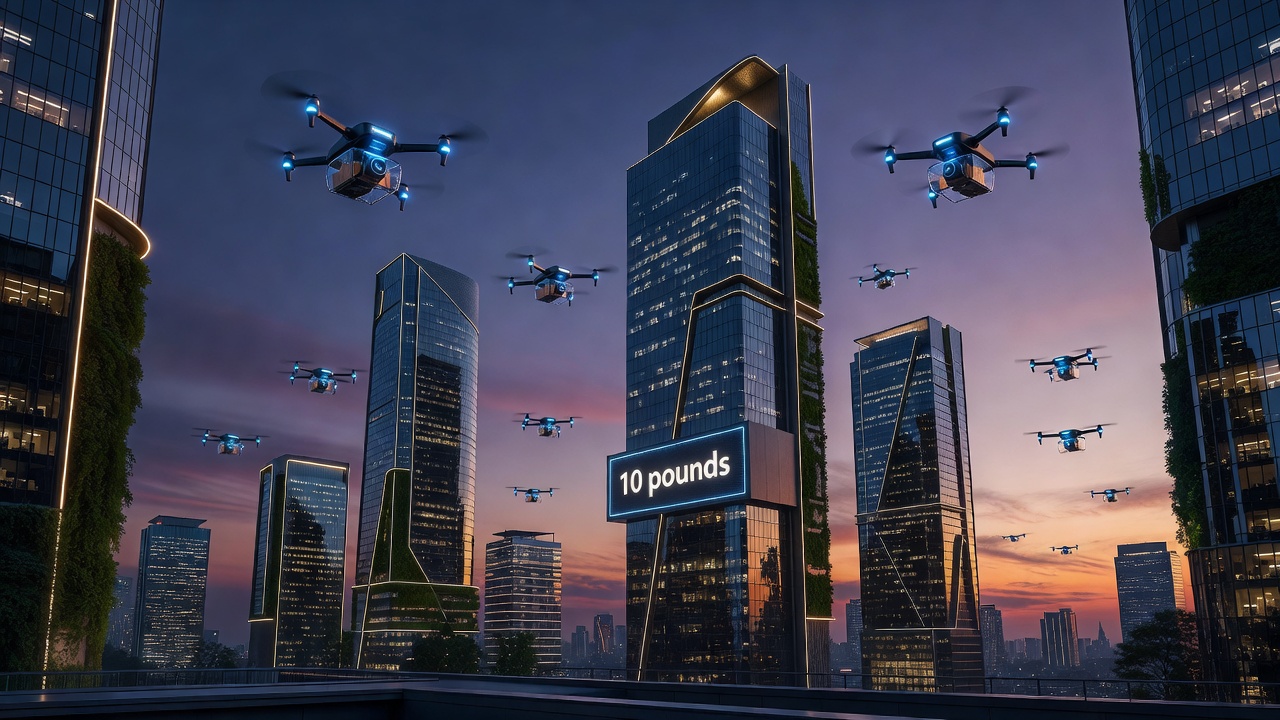
Autonomous drone deliveries have emerged as a transformative force in urban logistics by 2026. Companies like Amazon and Wing are leading real-world deployments that promise faster, more efficient package transport across cities. This technology leverages AI for navigation, obstacle avoidance, and precise landing, integrating seamlessly with smart city infrastructure. As urban populations continue to expand, traditional delivery methods face mounting pressure from traffic congestion, rising fuel expenses, and labor shortages. Drone systems offer a compelling alternative by bypassing ground-level obstacles entirely and operating in three-dimensional airspace. Early pilot programs have evolved into commercial services serving thousands of customers daily, marking a shift from experimental concepts to everyday infrastructure components.
The growth is driven by advances in battery technology, sensor fusion, and machine learning models that predict and adapt to dynamic urban conditions. Readers searching for breaking tech updates will find that these systems represent practical AI applications already reshaping how goods move from warehouses to doorsteps.
Key Advancements in Drone Technology
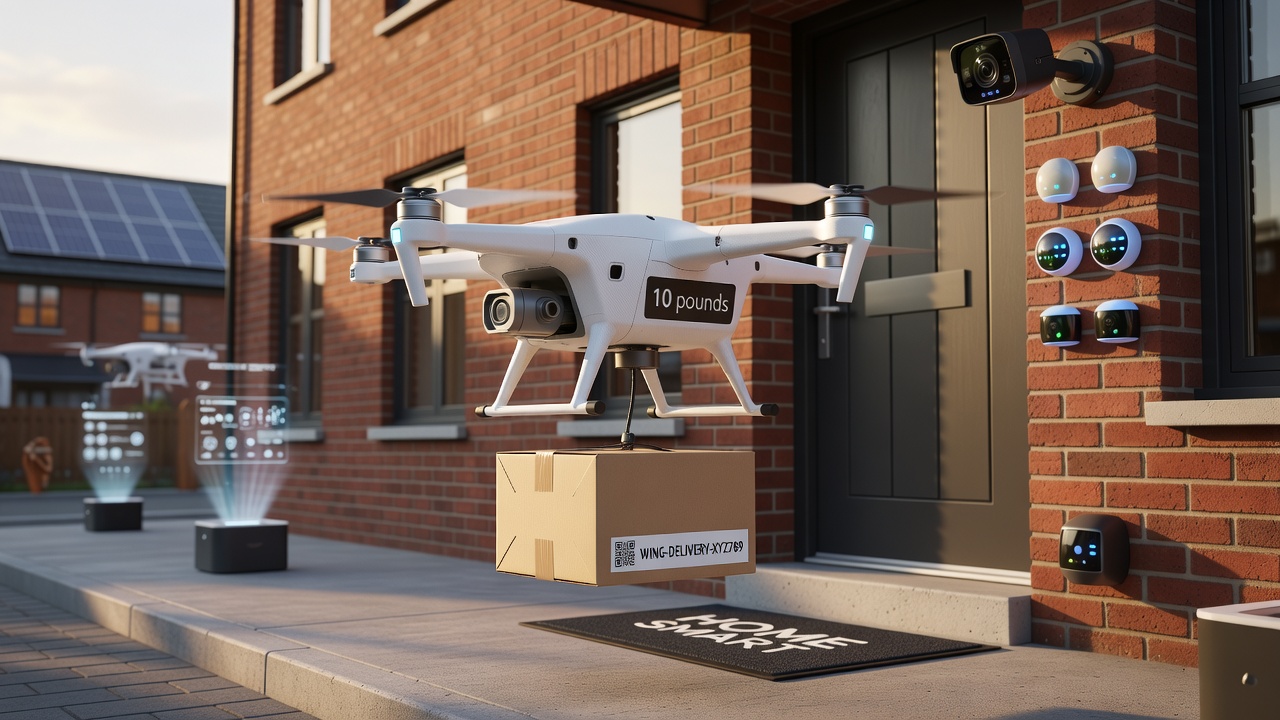
Recent developments focus on extended flight ranges exceeding 20 miles per charge, improved battery efficiency through solid-state cells, and enhanced payload capacities up to 10 pounds for standard parcels. Autonomous systems now incorporate real-time weather data processing, multi-drone swarm coordination algorithms, and computer vision for identifying safe landing spots on balconies or designated pads. These improvements enable reliable operations even in complex urban environments filled with buildings, power lines, and moving vehicles. Operators have also introduced modular designs allowing quick swaps of sensors or propellers for different mission types.
Regulatory Changes and Safety Protocols
Governments worldwide have updated aviation regulations to accommodate drone deliveries. In the United States, the Federal Aviation Administration has streamlined approval processes for beyond-visual-line-of-sight operations while mandating remote identification and automated traffic management integration. Safety protocols emphasize geofencing to keep drones within approved corridors, collision avoidance systems using LiDAR and radar, and redundant communication links that switch between cellular and satellite networks to prevent signal loss. European regulators have similarly harmonized standards across member states, requiring operators to demonstrate robust risk assessments and emergency response plans before scaling deployments. These frameworks balance innovation with public safety by incorporating regular audits and data sharing requirements.
Integration with Smart City Infrastructure
Drones connect with IoT networks in smart cities for optimized routing and landing zones. Sensors embedded in buildings, streetlights, and traffic systems provide live data feeds that drones use to adjust paths dynamically and avoid temporary hazards such as construction zones. This integration reduces delivery times while minimizing noise pollution in residential areas through altitude adjustments and quieter descent profiles. Cities like Singapore and Dubai have incorporated dedicated drone ports into new developments, creating a layered transportation ecosystem that includes ground vehicles, autonomous shuttles, and aerial units working in concert.
Speed and Cost Comparisons to Traditional Methods
Drone deliveries typically achieve 30-50% faster transit times compared to ground vehicles in dense urban cores by avoiding traffic signals and road networks. While initial infrastructure investments remain substantial, operational efficiencies arise from reduced fuel consumption and fewer required human drivers per package. Environmental analyses show lower per-package emissions in many scenarios when electricity sources are renewable. Businesses report improved customer satisfaction due to precise delivery windows and real-time tracking updates delivered via mobile apps.
Environmental Impact Data
Studies indicate that electric drones produce significantly fewer carbon emissions than diesel delivery vans over short distances. The Environmental Protection Agency highlights potential reductions in urban air pollutants when fleets transition to drone-based systems for last-mile logistics. Additional benefits include decreased road wear and lower noise levels achieved through newer propeller designs that incorporate acoustic dampening materials. Long-term modeling suggests cumulative benefits for citywide air quality when scaled across multiple operators.
Challenges Including Weather Resilience and Other Hurdles
Weather remains a key hurdle for consistent operations. High winds, heavy rain, fog, and extreme temperatures can disrupt flights or force mission cancellations. Operators are investing in advanced sensors, heated components, and adaptive flight software that reroutes around storms using predictive modeling. Redundancy protocols allow missions to be paused safely or transferred to backup drones. Beyond weather, challenges include managing shared airspace with manned aircraft, addressing privacy concerns through strict data handling rules, and ensuring equitable access so underserved neighborhoods also benefit from faster deliveries. Cybersecurity measures protect against signal jamming and unauthorized takeovers.
Case Studies from Major Cities
In Dallas, Amazon's drone network has completed thousands of deliveries monthly, integrating with local traffic management systems to coordinate with emergency services during peak hours. Wing's operations in Helsinki demonstrate successful cold-weather performance through specialized heating elements on critical components and wind-resistant flight modes. Additional deployments in London and Tokyo have tested mixed-use corridors where drones share airspace with delivery robots on the ground. These examples illustrate scalability across diverse climates, population densities, and regulatory landscapes while highlighting the importance of local partnerships with municipalities.
Expert Quotes on Scalability
Industry analysts note that drone networks could handle up to 20% of urban parcel volume within five years given continued infrastructure support. Experts emphasize the need for continued investment in unified airspace management platforms and public education campaigns to build trust. One logistics researcher from a leading university highlighted that successful scaling depends on standardized communication protocols between competing operators to prevent conflicts in busy corridors.
Practical Steps for Implementation
Cities interested in adopting drone logistics should begin with small-scale pilots in low-density zones, followed by stakeholder consultations involving residents, airlines, and delivery companies. Key steps include mapping no-fly zones, installing charging stations at existing warehouses, and developing public dashboards that display real-time flight activity for transparency. Companies should prioritize modular hardware that can be upgraded as regulations evolve and conduct regular community feedback sessions to refine noise and privacy policies.
Common Mistakes to Avoid
- Launching without comprehensive risk assessments that account for edge cases like bird strikes or sudden wind gusts.
- Ignoring community input, which can lead to regulatory pushback and delayed approvals.
- Overlooking maintenance schedules for batteries and sensors, resulting in higher downtime rates.
- Failing to integrate with existing traffic systems, causing inefficiencies at the interface between aerial and ground deliveries.
FAQ Section
Are drone deliveries safe for the public?
Yes, current systems incorporate multiple fail-safes including parachutes, geofencing, and automated return-to-home functions to ensure operations remain confined to approved zones and minimize collision risks.
How do drones handle package security?
Secure locking mechanisms, tamper-evident seals, and real-time GPS tracking prevent tampering during transit while allowing recipients to confirm identity via app notifications before release.
What happens in bad weather?
Missions are automatically paused or rerouted when conditions exceed safe operating parameters, with operators maintaining backup fleets and ground delivery options for continuity.
Will drones replace all delivery trucks?
They complement rather than fully replace ground vehicles, excelling at short-distance, lightweight deliveries while trucks continue to handle heavier loads and longer routes.
How is privacy protected during flights?
Strict data retention policies limit camera use to navigation only, with footage automatically deleted after missions unless incidents require review by authorities.
Conclusion
Autonomous drone deliveries represent a pivotal shift in 2026 urban logistics. With ongoing regulatory support, technological refinements, and successful city deployments, this technology is poised to deliver lasting efficiency, safety, and sustainability gains for residents and businesses alike. Continued collaboration between regulators, operators, and communities will determine how quickly these benefits reach every neighborhood.


No comments yet. Be the first!