 NeoBit Daily
Introduction: Blockchain's Growing Role in Modern Supply Chains
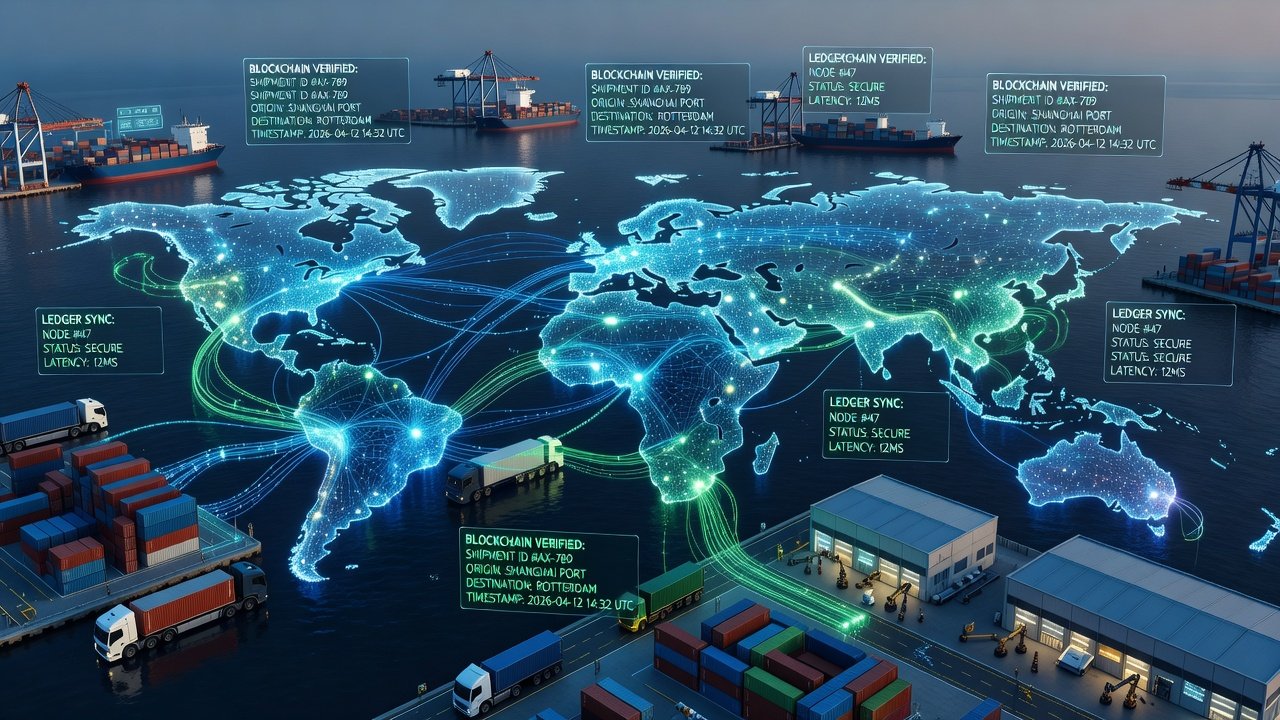
In 2026, blockchain technology continues to drive significant changes across global supply chains, offering decentralized ledgers that enhance transparency and reduce inefficiencies. This article examines the latest advancements, drawing on real-world implementations by logistics leaders and comparing them to traditional systems. Supply chain professionals are increasingly searching for practical technology news applications, and blockchain stands out for its ability to create trust in complex, multi-party networks without relying on a central authority.
Understanding Blockchain Fundamentals for Supply Chains
At its core, blockchain is a distributed ledger technology where data is stored in blocks linked chronologically and secured through cryptography. In supply chains, this means every participant—from raw material suppliers to retailers—can record and verify transactions in real time. This structure eliminates single points of failure common in centralized databases and provides an auditable trail that supports compliance and dispute resolution.
How Blockchain Enhances Supply Chain Transparency and Efficiency
Blockchain creates immutable records of every transaction and movement within a supply chain. Unlike centralized databases, it allows all participants to access a shared, tamper-proof history. This is particularly valuable for tracking goods from origin to consumer, minimizing disputes and building trust among stakeholders. Efficiency gains come from automated smart contracts that execute when predefined conditions are met, reducing manual interventions and paperwork delays.
Real-World Case Studies from Logistics Leaders
Companies like Maersk have piloted blockchain platforms to streamline shipping documentation. In one initiative, decentralized ledgers reduced paperwork processing times significantly while improving visibility across international routes. Similarly, Walmart has expanded its use of blockchain for food traceability, enabling rapid identification of contaminated products. These examples highlight measurable gains in operational speed and accountability. Another notable pilot involves UPS integrating blockchain with carrier networks to optimize last-mile delivery, demonstrating how even established players benefit from decentralized verification of shipment statuses.
Comparing Blockchain to Legacy Tracking Systems
Traditional supply chain systems often rely on siloed databases prone to errors and delays. Blockchain, by contrast, provides real-time synchronization across parties. Legacy methods may take days for data reconciliation, whereas blockchain enables near-instant updates. This shift reduces bottlenecks and supports better decision-making in dynamic markets. A key difference lies in data ownership: legacy systems centralize control, while blockchain distributes it, lowering the risk of manipulation or single-entity failures.
Integration with IoT Sensors for Real-Time Monitoring
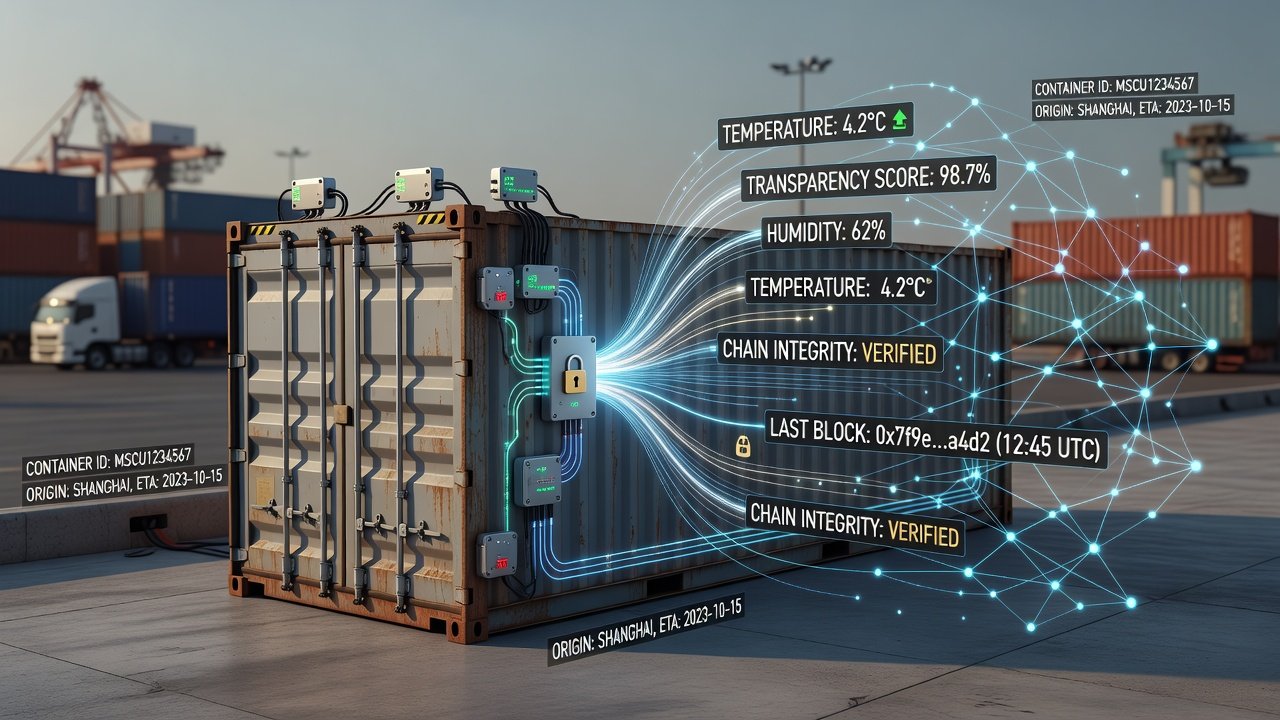
Pairing blockchain with IoT devices allows automatic recording of sensor data such as temperature, location, and humidity. Smart contracts can trigger alerts or actions when conditions deviate from standards. This combination strengthens sustainability tracking by verifying ethical sourcing and environmental compliance throughout the journey. For instance, pharmaceutical shipments can maintain cold-chain integrity logs that are instantly verifiable by regulators and partners alike.
Regulatory Compliance Challenges and Solutions
Adopting blockchain involves navigating varying international regulations on data privacy and digital records. Organizations must ensure platforms meet standards like GDPR in Europe. Successful pilots demonstrate that hybrid models—combining blockchain with compliant off-chain storage—help address these hurdles while maintaining auditability. Collaboration with bodies such as the World Trade Organization is helping standardize cross-border data flows.
Measurable Impacts on Fraud Reduction and Sustainability Tracking
Blockchain's immutability directly combats fraud by making it nearly impossible to alter records retroactively. In sectors like luxury goods and pharmaceuticals, this has led to fewer counterfeit incidents. On sustainability, immutable records allow companies to prove carbon footprint reductions and responsible sourcing, appealing to eco-conscious consumers and investors. Practical examples include verified deforestation-free supply chains in the coffee industry.
Cost-Benefit Analysis for Mid-Sized Enterprises
For mid-sized companies, the transition requires evaluating implementation expenses against long-term savings from reduced fraud and improved efficiency. Benefits include lower administrative overhead and enhanced supplier relationships. Practical steps involve starting with pilot programs on high-value product lines before scaling. A phased approach typically begins with supplier onboarding workshops, followed by technology selection and integration testing over several months.
Practical Steps for Successful Blockchain Adoption
1. Assess current supply chain pain points such as traceability gaps or high dispute rates.
2. Identify suitable use cases like provenance tracking or contract automation.
3. Choose interoperable platforms that integrate with existing ERP systems.
4. Train teams on blockchain basics and smart contract management.
5. Launch controlled pilots and measure KPIs before full rollout.
Common Mistakes to Avoid During Implementation
Many organizations rush into full deployment without adequate stakeholder buy-in, leading to fragmented adoption. Another frequent error is ignoring scalability testing, which can cause network congestion as transaction volumes grow. Overlooking data privacy from the outset may also result in costly retrofits to meet regulatory demands.
FAQs on Adoption Barriers
- What are common barriers to blockchain adoption? Integration complexity, skill gaps, and initial setup costs often top the list.
- How does it impact sustainability tracking? Immutable records verify carbon footprints and ethical practices more reliably than paper-based methods.
- Is it suitable for all supply chains? High-volume or multi-party networks see the greatest advantages, though smaller operations can benefit from targeted applications.
- What skills are needed for teams? Knowledge of distributed systems, basic cryptography, and supply chain domain expertise are essential.
- How long do typical pilots take? Most successful pilots run for three to six months before evaluating results.
Forward-Looking Insights for 2027 and Beyond
Scalability improvements, including layer-2 solutions, are expected to make blockchain more accessible. Experts anticipate broader integration with AI for predictive analytics, further optimizing routes and inventory. World Economic Forum reports emphasize collaborative standards as key to widespread success. Continued innovation will likely focus on energy-efficient consensus mechanisms to support global sustainability goals. IBM continues to advance enterprise blockchain tools tailored for these evolving needs. GS1 standards are also evolving to better support blockchain-based traceability in global trade.


No comments yet. Be the first!