 NeoBit Daily
Introduction: The Rise of Biometric Payments in 2026
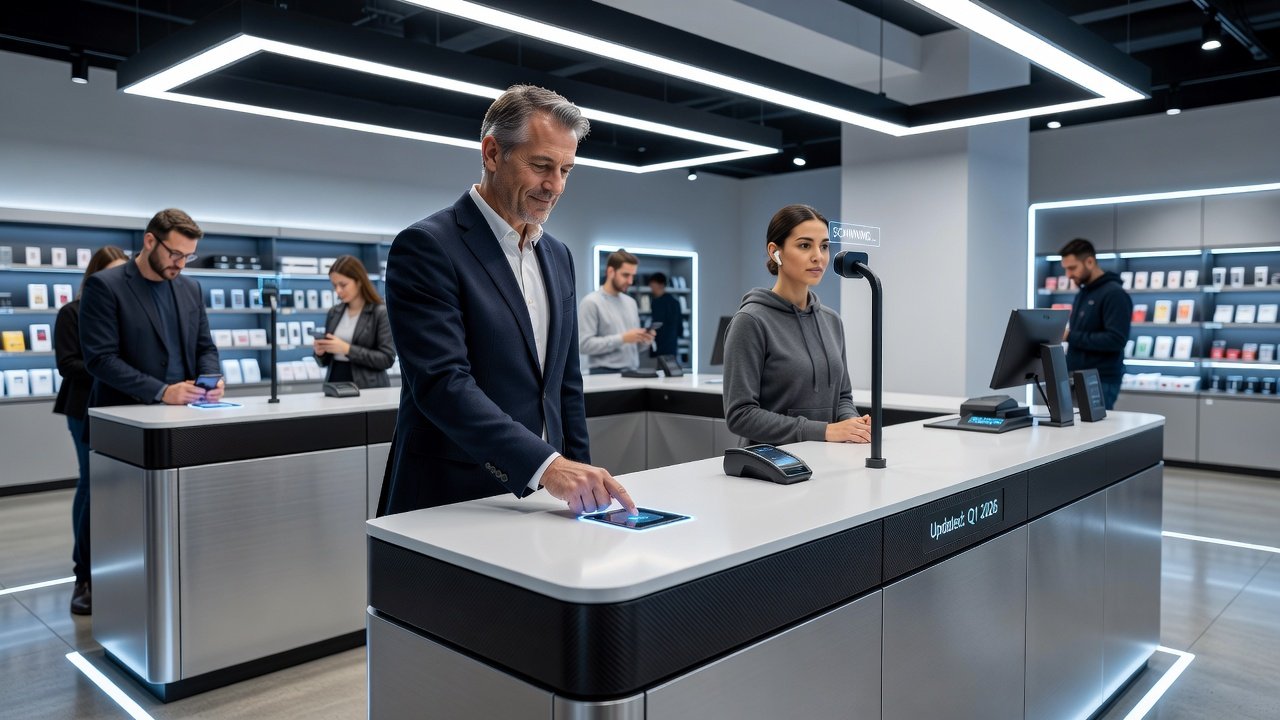
In 2026, biometric payment systems are rapidly becoming a cornerstone of retail security, moving beyond traditional cards and PINs to deliver faster, more secure transactions. This shift addresses growing consumer demand for seamless experiences while tackling fraud concerns that have plagued the payments industry for years. Retailers worldwide are investing in these technologies to meet expectations for contactless and frictionless shopping, especially as mobile wallets and digital currencies gain traction. As biometric methods mature with advances in artificial intelligence and sensor technology, they offer a robust alternative that minimizes human error and card skimming risks. Understanding the nuances of each biometric approach is essential for businesses aiming to stay competitive in an evolving market landscape.
Biometric payments leverage unique physical traits for authentication, reducing reliance on easily compromised credentials like passwords or physical cards. Major retailers report significant drops in fraud rates after implementation, making this trend a key focus for industry updates this year. The technology not only speeds up checkouts but also enhances overall customer trust by providing verifiable identity confirmation at the point of sale.
Comparing Fingerprint, Facial, and Iris Recognition Methods
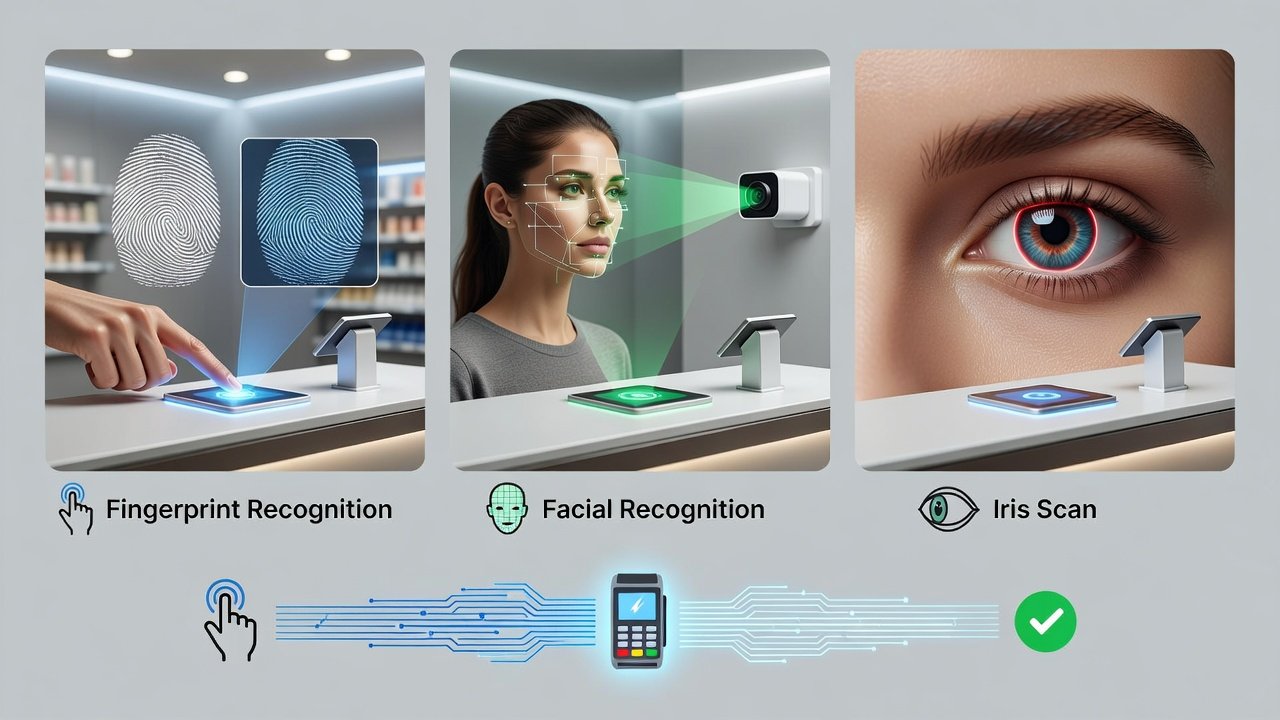
Fingerprint scanning remains the most accessible biometric option, using capacitive or optical sensors to capture ridge patterns with high precision. This method works well in diverse environments and integrates easily into existing payment terminals. Facial recognition employs advanced cameras and AI algorithms to map facial features in real time, offering contactless convenience ideal for high-traffic areas. Iris recognition, though less common in retail, provides exceptional accuracy by scanning the unique patterns in the eye's iris using near-infrared light, making it highly resistant to spoofing attempts.
Each method has distinct strengths and limitations. Fingerprint systems excel in speed for high-volume environments like grocery stores and convenience outlets, often completing verification in under one second. Facial recognition shines in hands-free scenarios such as drive-thrus or self-service kiosks, though it can be affected by lighting conditions or masks. Iris scans deliver top-tier security suitable for luxury or high-value retail but require specialized hardware, which can limit immediate widespread adoption. Real-world benchmarks show fingerprint methods achieving 99.5% accuracy in controlled tests, while facial systems reach 98.2% under varied lighting. Iris recognition often exceeds 99.8% accuracy but demands more controlled user positioning during the scan.
Real-World Retail Case Studies
Leading chains have piloted these systems with impressive results that demonstrate practical benefits. A major supermarket group in Europe integrated fingerprint payments across 500 locations, cutting transaction times by 40% and reducing fraud incidents by 65%. Staff reported smoother operations during peak hours, and customers appreciated the quick tap-and-go experience without needing to remove gloves or search for wallets.
In the US, a popular coffee chain deployed facial recognition at select kiosks, boosting customer satisfaction scores through quicker checkouts and personalized loyalty integrations. Another example involves a luxury retailer using iris recognition for high-value purchases above a certain threshold, enhancing both security and the premium shopping experience by adding an extra layer of verification. These cases highlight how tailored biometric choices align with specific retail needs, from mass-market efficiency to exclusive service offerings. Additional pilots in Asia have shown similar success in department stores, where hybrid fingerprint and facial systems reduced queue lengths noticeably during holiday seasons.
Adoption Barriers and How to Overcome Them
Despite the benefits, several barriers persist that can slow implementation. High initial hardware costs deter smaller businesses, while consumer skepticism around data privacy and potential misuse slows widespread uptake. Integration with legacy point-of-sale systems can prove complex, often requiring software updates and staff retraining. Cultural differences also play a role, as some regions express greater concern over surveillance aspects of facial recognition.
To overcome these challenges, retailers should begin with targeted pilot programs in select high-performing stores to gather data and refine processes. Partnering with established vendors who provide end-to-end support helps mitigate technical hurdles and ensures compliance from the outset. Education campaigns that clearly explain data handling practices have proven effective in building consumer trust and increasing opt-in rates over time.
Integration Steps for Businesses
Businesses can follow these practical steps for a smooth and successful rollout:
- Assess current infrastructure thoroughly and identify compatible biometric hardware that aligns with existing payment processors.
- Conduct comprehensive staff training on new systems, including troubleshooting and customer support protocols to handle edge cases.
- Test for accuracy and inclusivity across diverse user demographics, ages, and physical conditions before full-scale deployment.
- Monitor key performance metrics such as transaction speed, error rates, and customer feedback post-launch, then iterate based on real-world insights.
- Establish ongoing maintenance schedules and update protocols to keep systems secure against emerging threats.
Following this structured approach minimizes operational downtime and maximizes return on investment while ensuring the technology serves all customers effectively.
Privacy Compliance Examples
Compliance with regulations like GDPR in Europe and CCPA in California remains non-negotiable for any biometric deployment. Retailers must obtain explicit consent, implement robust encryption for biometric data storage, and provide clear opt-out mechanisms. One European retailer anonymized data at the point of capture using advanced hashing techniques, ensuring full compliance while maintaining system functionality across borders.
Another US-based chain collaborated with legal experts to create transparent opt-in policies that explained benefits in plain language, resulting in over 80% customer participation rates. Guidance from authoritative bodies such as FTC and NIST offers detailed frameworks for secure and ethical implementation that retailers can adapt to their operations.
Performance Benchmarks Versus Traditional Cards
Compared to traditional cards, biometric systems reduce fraud incidents by substantial margins according to recent industry analyses. Transaction speeds average just 2-3 seconds versus 8-10 seconds for chip-and-PIN methods, leading to improved throughput during busy periods. Scalability improves significantly as cloud-supported systems handle peak loads without requiring proportional increases in staff or hardware.
However, traditional cards still provide reliable fallback options during network outages or hardware malfunctions. Many successful deployments now use hybrid models that combine biometric options with card payments, offering flexibility and redundancy that appeals to a broad customer base.
Expert Quotes on Scalability
Industry experts emphasize the strong scalability potential of these technologies. Dr. Elena Vargas from a leading technology research institute notes, "Biometric systems scale efficiently when paired with robust cloud infrastructure, allowing global retailers to deploy uniformly across continents with consistent performance." Payments strategist Michael Torres adds, "With proper encryption standards and regular audits, these technologies can reliably handle millions of daily transactions without compromising user security or privacy."
FAQ Section
What happens if my biometric data is breached?
Reputable systems use tokenized and encrypted data that cannot be reverse-engineered into usable templates, significantly minimizing risks. Consumers should always select providers with strong third-party security certifications and regular audit practices.
Are biometric payments accessible for everyone?
Most modern systems include built-in alternatives such as PIN entry or card fallback for users with disabilities, temporary injuries, or those who simply prefer traditional methods, ensuring broad inclusivity across all demographics.
How do these systems compare in accuracy across different conditions?
Fingerprint and iris methods typically outperform facial recognition in challenging lighting or environmental conditions, although all three have seen dramatic improvements thanks to ongoing AI advancements and machine learning refinements.
Can small businesses afford biometric payment systems?
While initial investments vary, modular solutions and subscription-based models are increasingly available, allowing smaller retailers to start with limited locations and expand gradually as benefits become clear.
Conclusion
Biometric payments are fundamentally reshaping retail security in 2026 by combining enhanced protection with greater convenience for shoppers and operators alike. By carefully evaluating available methods, proactively addressing adoption barriers, and placing strong emphasis on regulatory compliance, businesses of all sizes can integrate these technologies successfully. Staying informed about ongoing developments ensures retailers remain ahead in this rapidly evolving payments landscape and deliver experiences that meet modern consumer expectations.


No comments yet. Be the first!