 NeoBit Daily
Introduction to Sustainable Data Centers in 2026
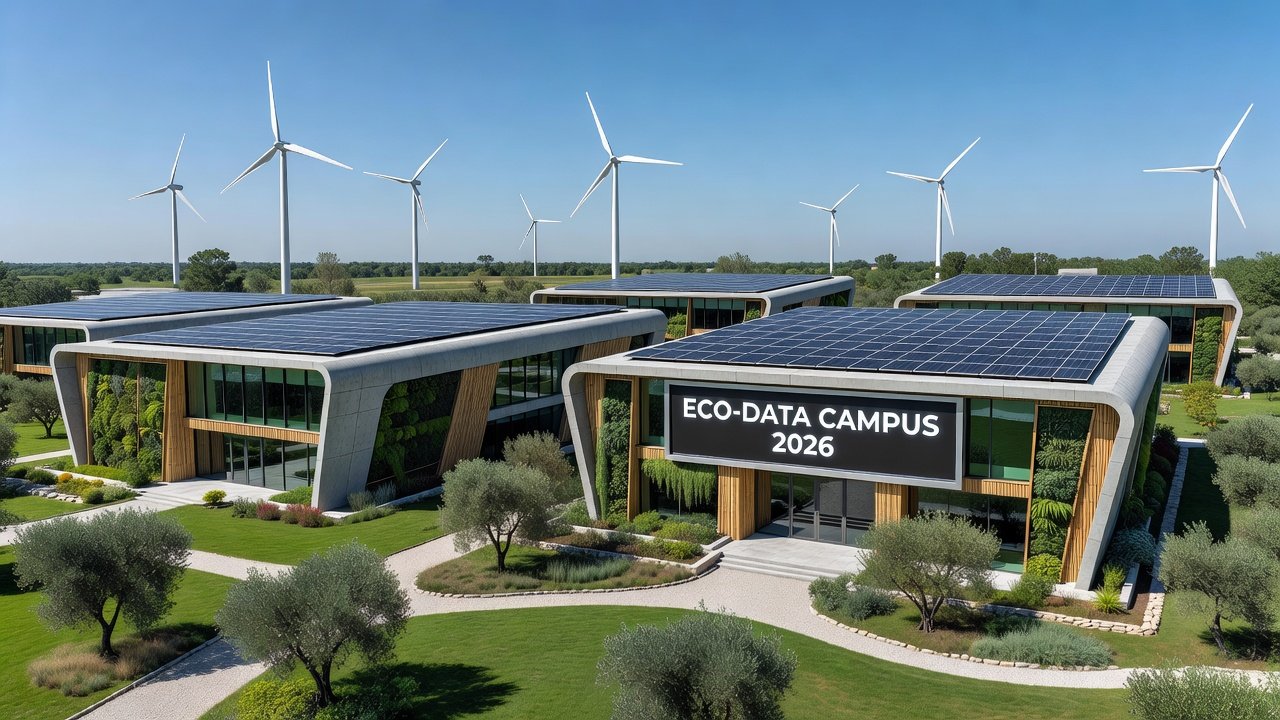
The data center industry is undergoing a profound transformation in 2026, propelled by escalating global digital demands and mounting pressure to address climate change. As hyperscale facilities multiply to support cloud computing, artificial intelligence, and edge processing, traditional designs that rely heavily on air conditioning and fossil fuel-derived power are proving unsustainable. Tech giants and operators are now prioritizing eco-friendly innovations that slash energy consumption and carbon footprints while maintaining or even enhancing performance and reliability. This evolution represents both an environmental necessity and a strategic business opportunity, with early adopters gaining competitive edges through lower operational costs and regulatory compliance.
Central to this shift are breakthroughs in advanced immersion cooling, widespread renewable energy integration, and sophisticated AI-optimized resource management. These technologies collectively enable data centers to achieve power usage effectiveness (PUE) ratings well below those of conventional setups, often realizing 30-50% or greater improvements in overall efficiency. Industry reports indicate that green data centers can reduce cooling-related energy use dramatically, allowing organizations to scale operations without proportional increases in environmental impact.
Advanced Immersion Cooling Technologies
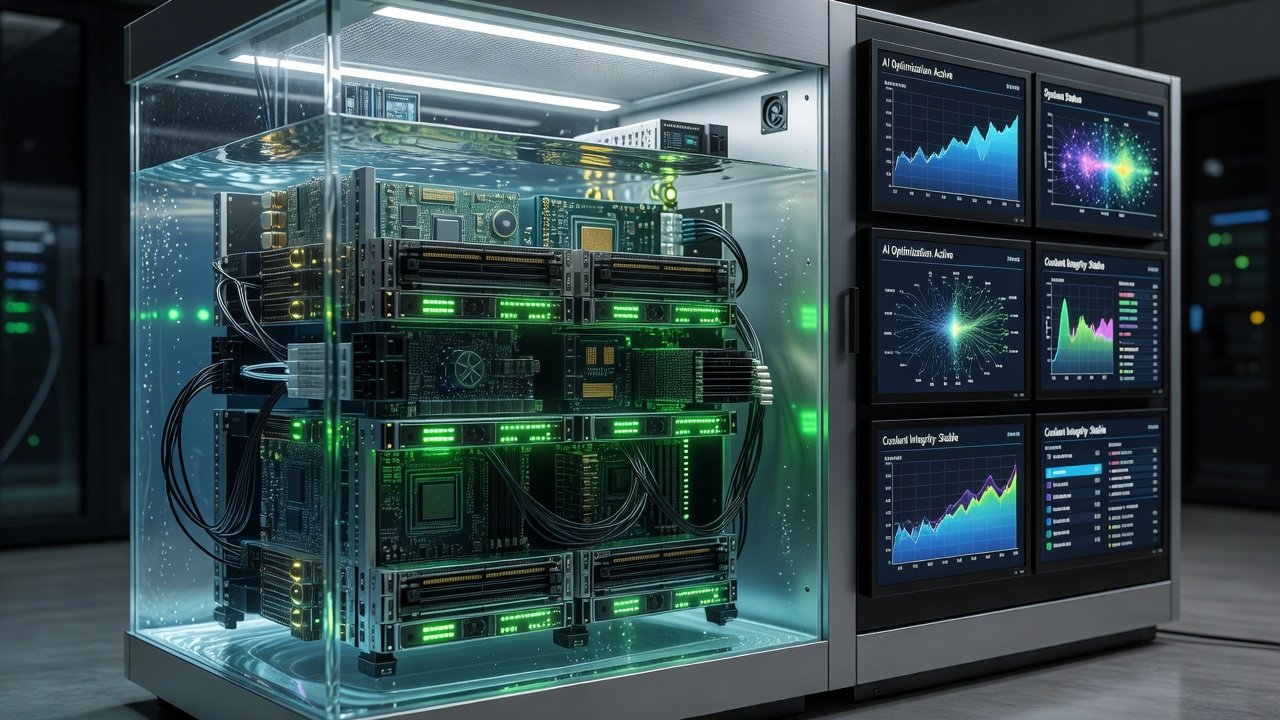
Immersion cooling involves submerging servers and other hardware in specialized dielectric fluids that efficiently absorb and transfer heat away from components. In 2026, two-phase immersion systems have matured significantly, using fluids that boil at low temperatures to create a highly effective heat transfer cycle. This method outperforms traditional air cooling by eliminating the need for energy-intensive fans and chillers in many scenarios.
Practical benefits include up to 95% reductions in cooling energy for high-density racks supporting AI training workloads. Facilities report PUE values consistently under 1.1, compared to the 1.5-1.8 range typical of legacy air-cooled installations. Operators must consider fluid selection, maintenance protocols for fluid purity, and compatibility with existing server hardware during retrofits. Real-world deployments demonstrate that immersion cooling also extends equipment lifespan by reducing thermal stress and dust accumulation.
Renewable Energy Integration Strategies
Integrating renewable sources such as on-site solar arrays, wind turbines, and geothermal systems has become a cornerstone of sustainable data center operations. In 2026, many providers combine these with advanced battery storage solutions to ensure 24/7 carbon-free power availability, mitigating intermittency issues associated with renewables.
U.S. Department of Energy resources emphasize hybrid microgrid approaches that allow facilities to balance on-site generation with grid purchases during peak demand. When paired with verified carbon offsets, these strategies can drive operational emissions close to zero. Challenges include securing suitable land for installations and navigating variable regional renewable incentives, yet the long-term payoff includes energy independence and resilience against price volatility.
AI-Optimized Resource Management
Artificial intelligence enhances sustainability by enabling real-time, predictive control over power distribution, cooling loops, and workload scheduling. Machine learning algorithms analyze historical usage patterns, weather forecasts, and server telemetry to dynamically allocate resources, preventing over-provisioning and idle waste.
Deployments in 2026 show efficiency gains of 20-40% compared to rule-based systems, with particular success in multi-tenant environments where demand fluctuates unpredictably. Examples include neural networks that forecast heat loads hours in advance, allowing proactive adjustments that maintain optimal temperatures with minimal energy input. Integration with existing building management systems requires careful data pipeline design but yields compounding benefits across large campuses.
Real-World Case Studies from Major Providers
Leading technology companies provide compelling evidence of these innovations in action. Google's European data centers have implemented immersion cooling alongside 100% renewable energy matching, resulting in a 50% emissions reduction relative to 2020 baselines while supporting expanding AI services. Microsoft has pioneered modular and underwater data center prototypes that leverage natural water cooling and AI orchestration for minimal environmental disruption. Amazon Web Services continues expanding power purchase agreements for renewables across multiple continents, achieving carbon-neutral status in numerous operational regions through a combination of direct generation and offsets.
These cases illustrate scalability: from hyperscale campuses to smaller edge facilities, the same core technologies adapt effectively when tailored to local climate and regulatory conditions.
Comparisons of Efficiency Gains Versus Traditional Setups
Traditional air-cooled data centers often allocate 40% or more of total power solely to cooling infrastructure. In contrast, immersion and hybrid liquid systems can cut this figure to single digits. Renewable integration further decouples facilities from carbon-intensive grids, while AI optimization reduces overall IT power draw through smarter load balancing. Payback periods for comprehensive green retrofits typically range from two to four years in high-utilization settings, driven by electricity savings and avoided carbon taxes.
Practical Steps for Implementation
- Perform comprehensive energy and emissions audits using industry-standard tools to establish accurate baselines for PUE and carbon intensity.
- Evaluate facility layout and workload profiles to select appropriate cooling technologies, beginning with pilot projects on non-mission-critical servers.
- Negotiate renewable energy contracts with local utilities or install on-site generation where feasible, incorporating storage for reliability.
- Deploy integrated AI platforms that interface with existing monitoring systems, training models on site-specific data for maximum accuracy.
- Engage specialized vendors for phased retrofits, ensuring minimal downtime through modular upgrades and rigorous testing protocols.
- Establish ongoing measurement and verification programs to track performance against sustainability targets and adjust strategies as needed.
Overcoming Challenges in Adoption
Despite clear advantages, transitioning involves hurdles such as high initial capital requirements, workforce upskilling for new technologies, and potential supply chain constraints for specialized fluids and components. Regulatory variations across jurisdictions add complexity, requiring operators to stay informed on evolving standards. Successful organizations mitigate these through phased rollouts, public-private partnerships, and knowledge sharing via industry consortia.
Regulatory Compliance Considerations
Many regions now enforce mandatory emissions reporting, efficiency benchmarks, and renewable portfolio standards for data centers. Compliance involves detailed documentation, third-party audits, and sometimes participation in cap-and-trade programs. Proactive adoption of green technologies simplifies adherence and positions facilities favorably for future policy shifts.
FAQ
What are the upfront costs of transitioning to sustainable data centers?
Initial investments vary widely depending on scale and existing infrastructure but typically deliver strong returns through reduced energy expenses and incentives within three years of implementation.
How scalable are these green technologies?
Immersion cooling, renewable systems, and AI management tools demonstrate excellent scalability, performing effectively from small edge sites to multi-megawatt hyperscale operations with appropriate engineering adaptations.
Do regulations require compliance for new data centers?
Yes, numerous jurisdictions mandate emissions disclosures, minimum efficiency ratings, and renewable usage targets; operators should consult local environmental agencies and legal experts for jurisdiction-specific requirements.
Conclusion
The 2026 industry-wide movement toward eco-friendly data centers marks a pivotal advancement in balancing technological growth with environmental stewardship. By systematically adopting immersion cooling, renewable integration, and AI optimization, organizations can achieve substantial efficiency improvements, meet stakeholder expectations, and contribute meaningfully to global climate objectives while securing long-term operational advantages.
No comments yet. Be the first!