 NeoBit Daily
Introduction to Self-Healing Materials in 2026 Tech
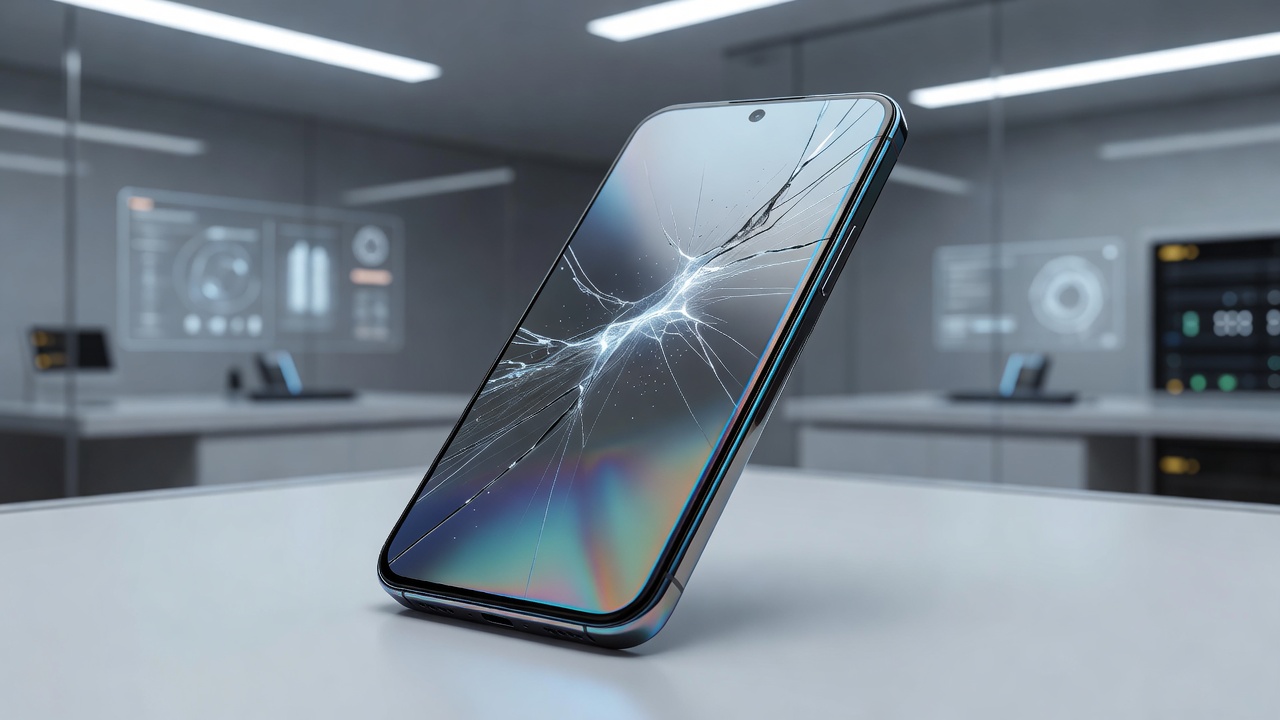
Self-healing materials represent one of the most promising innovations in sustainable technology for 2026. These advanced polymers and coatings enable devices like smartphones, wearables, and laptops to repair minor scratches and cracks without human intervention. By extending product lifespans, they directly address the growing problem of electronic waste. Environmental Protection Agency resources highlight how durability improvements can significantly cut e-waste volumes globally. Consumers increasingly seek gadgets that last longer amid rising awareness of resource depletion and landfill pressures. This technology shifts the paradigm from disposable electronics to resilient, self-maintaining devices that align with circular economy principles. Early 2026 prototypes demonstrate how everyday wear no longer necessitates immediate replacements or costly interventions.
Traditional repair methods often involve professional services or replacement parts, which are costly and time-consuming. In contrast, self-healing tech activates autonomously through heat, light, or moisture, restoring surfaces at a molecular level. This shift supports broader goals of circular economy practices in consumer electronics. The result is fewer devices entering waste streams and a measurable decrease in manufacturing demands for raw materials.
How Self-Healing Polymers and Coatings Work
At the core of these materials are dynamic chemical bonds that reform after damage. Microcapsules release healing agents when cracks form, while some polymers use reversible reactions triggered by everyday conditions. For instance, a smartphone screen might repair a scratch overnight when exposed to ambient warmth. The process relies on supramolecular chemistry where hydrogen bonds or ionic interactions allow molecules to realign and seal imperfections seamlessly. Researchers have engineered variants that respond to body heat in wearables or sunlight exposure on laptop lids. Healing occurs without external power sources, making it ideal for portable devices.
Performance metrics from 2026 prototypes show healing times ranging from minutes for superficial marks to hours for deeper fissures. Everyday use tests indicate these materials maintain optical clarity and structural integrity after multiple repair cycles, outperforming standard glass and plastic in longevity trials. Laboratory simulations of daily handling reveal up to 80 percent restoration of original surface properties within standard environmental ranges. This autonomous capability reduces the need for protective cases that often add bulk and interfere with device design aesthetics.
Comparisons Between Traditional Repair Methods and Self-Healing Technology
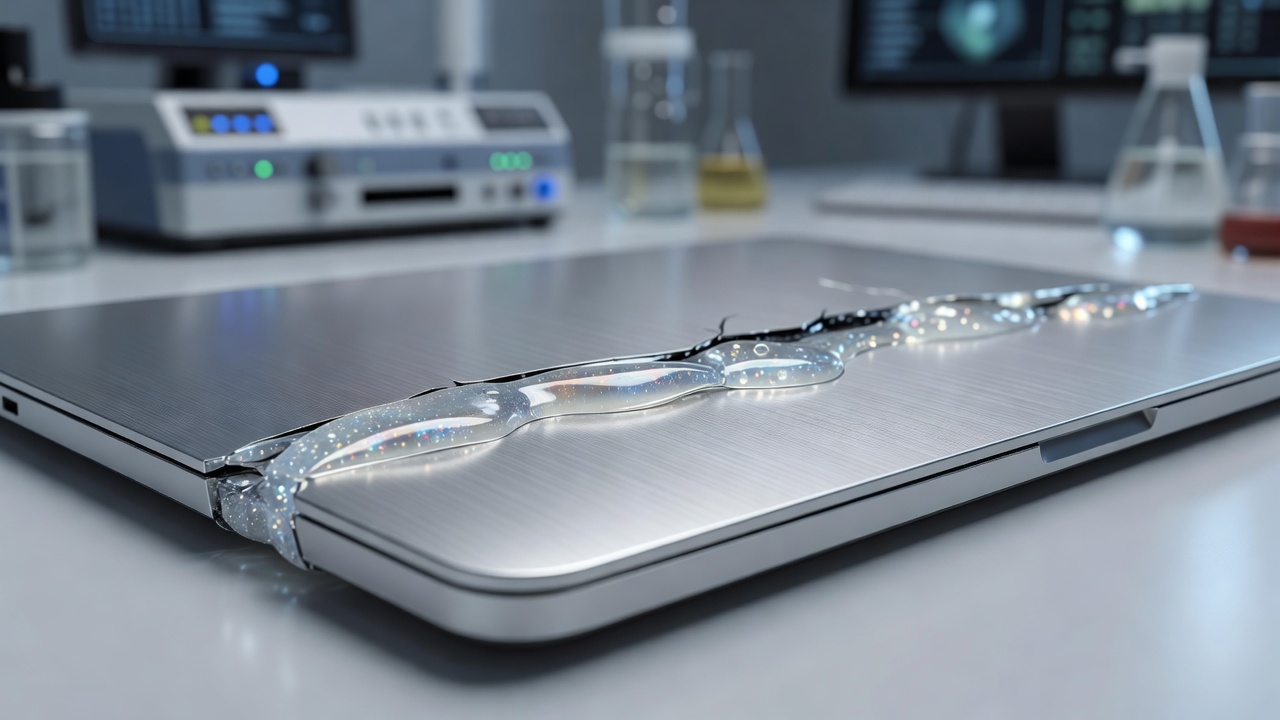
Traditional repairs typically require shipping devices to service centers, waiting days or weeks for parts, and incurring labor fees that accumulate over a product's life. Self-healing alternatives eliminate these steps for minor damages by initiating repairs internally. Users benefit from continuous device availability and avoid data transfer hassles associated with temporary replacements. Durability gains translate to fewer full replacements, directly lowering the carbon footprint tied to production and shipping.
- Traditional methods excel at major structural failures but falter on cosmetic issues that still affect resale value.
- Self-healing coatings handle daily micro-damage proactively while preserving premium finishes on high-end models.
- Long-term ownership costs drop because autonomous repairs bypass repeated professional interventions.
- Environmental metrics favor self-healing due to reduced material extraction and lower energy use in manufacturing cycles.
Real-world testing in 2026 shows self-healing surfaces retaining functionality after 500 simulated scratch events, whereas conventional coatings degrade noticeably after 150 similar incidents. This performance edge makes the technology particularly suited for active lifestyles involving wearables exposed to constant friction.
Real-World Examples from Leading Manufacturers
Several major companies have integrated self-healing elements into flagship devices this year. Wearable makers now feature bands with protective coatings that self-repair after daily wear and tear. Laptop producers apply these coatings to chassis surfaces, reducing visible damage from transport and use. Smartphone brands incorporate thin polymer layers beneath tempered glass for internal crack sealing that prevents propagation. One notable case involves a leading wearable line where the strap material heals abrasions from sweat and movement within 30 minutes of removal from the wrist.
Comparisons reveal stark differences: conventional repairs might require screen replacements costing hundreds, while self-healing versions handle minor issues internally. This reduces downtime and supports eco-friendly manufacturing by minimizing component swaps. Early adopters report sustained device appearance over six months of heavy use without visible degradation, validating claims from development teams.
Integration Challenges and Solutions
Despite progress, challenges remain in scaling production and ensuring compatibility with existing electronics. Manufacturers address issues like adhesion to curved screens and maintaining flexibility in wearables. Research collaborations focus on multi-functional layers that also offer water resistance. Thermal expansion mismatches between healing polymers and rigid components can cause delamination over time, prompting innovations in graded interface materials. Supply chain adjustments are underway to incorporate bio-based healing agents that meet regulatory standards for consumer safety.
Performance in varied climates shows promise, though extreme temperatures can slow healing rates. Ongoing refinements aim for consistent results across global markets. Pilot programs in humid and arid regions confirm reliability when formulations include stabilizers against UV degradation.
Performance Metrics in Everyday Use
Independent evaluations conducted through mid-2026 measure scratch resistance using standardized abrasion tests, with self-healing samples recovering 95 percent of gloss levels after controlled damage. Battery life and touch sensitivity remain unaffected in integrated devices, confirming that added layers do not compromise core functionality. Users note improved grip textures that regenerate after oils from handling accumulate, enhancing usability without additional treatments.
Cost Implications and Sustainability Benefits
While initial device prices may reflect advanced materials, long-term savings emerge from fewer repairs and replacements. The approach aligns with sustainable innovation trends, lowering the environmental footprint of gadget production and disposal. Nature publications discuss similar material advances in reducing resource consumption. Broader adoption could decrease global e-waste by significant margins as repair cycles extend product utility by years rather than months.
Practical Steps for Early Adopters
- Monitor manufacturer announcements for prototype testing programs through official developer portals.
- Join online communities focused on sustainable tech to share experiences and troubleshooting insights.
- Test devices in controlled environments to observe healing responses under different lighting and temperature conditions.
- Follow care guidelines to maximize material performance, including avoiding abrasive cleaners.
- Document usage patterns to provide feedback that informs future iterations from producers.
- Pair devices with complementary accessories designed to complement rather than interfere with healing layers.
FAQs on Consumer Availability and Maintenance
When will self-healing devices reach mainstream consumers?
Early models are entering select markets in 2026, with wider availability expected by late year as production scales. Supply constraints currently limit volumes, but partnerships with component suppliers aim to resolve bottlenecks by the fourth quarter.
How should users maintain self-healing surfaces?
Avoid harsh chemicals and allow natural healing triggers like warmth to activate repairs. Regular gentle cleaning preserves coating effectiveness and prevents buildup that could impede molecular realignment processes.
Do these materials affect device performance?
No significant impact on functionality has been reported; they primarily enhance surface durability without altering core specs such as display brightness or processor efficiency.
What happens if damage exceeds self-healing capacity?
Deep structural breaks still require traditional service, but the technology prevents escalation of minor issues into major failures, buying users additional time before professional attention is needed.
Conclusion
Self-healing materials mark a transformative step in 2026 tech news, blending innovation with sustainability. By reducing reliance on traditional repairs, they pave the way for longer-lasting gadgets and less environmental impact. Consumers and industry alike stand to benefit as these technologies mature and integrate into daily life across multiple device categories.


No comments yet. Be the first!