 NeoBit Daily
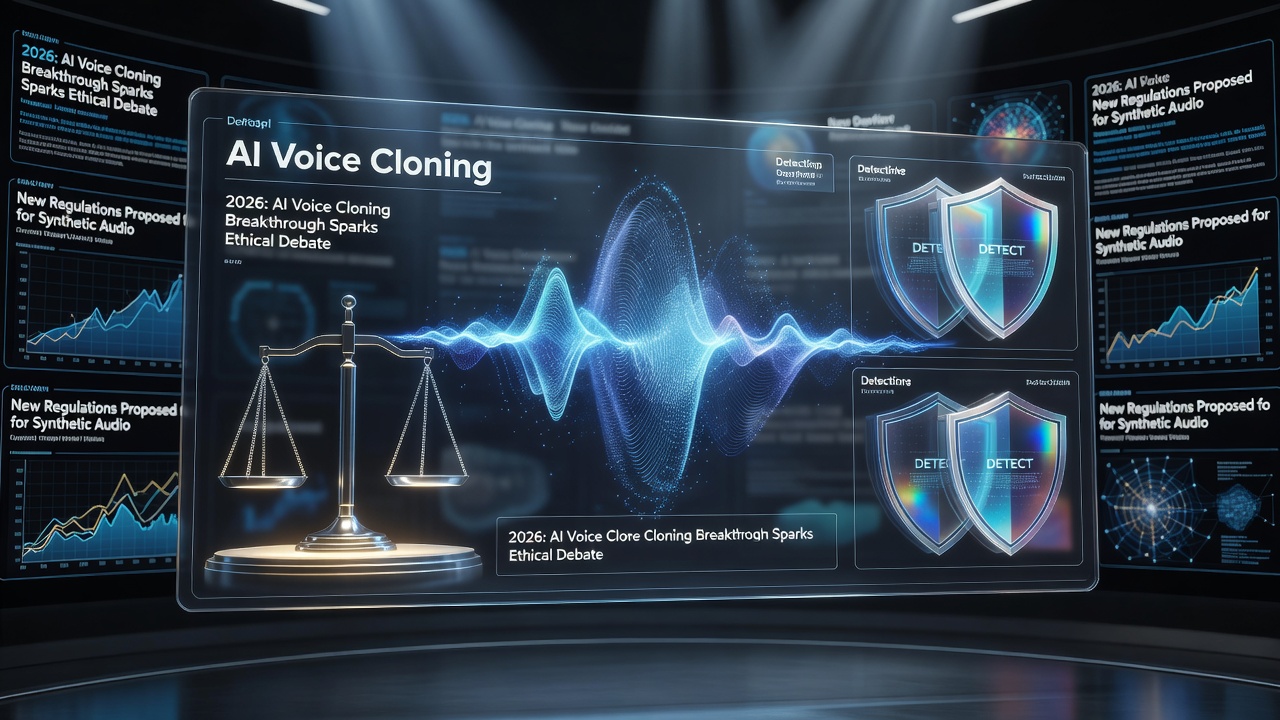
2026 Tech News: AI Voice Cloning Ethics & Detection Tools
The rapid evolution of AI voice cloning in 2026 has transformed media, entertainment, and communication, but it also raises pressing questions about ethics, misuse, and verification. This comprehensive guide examines the technology's growth, associated risks, regulatory responses, and practical detection methods to help individuals and organizations navigate this landscape responsibly. As generative AI models become more accessible, the line between authentic and synthetic audio continues to blur, creating both opportunities for creative industries and serious challenges for trust and security.
The Surge of AI Voice Cloning Technologies in 2026
AI voice cloning tools now generate near-indistinguishable audio replicas from just seconds of source material. Advances in generative models have fueled widespread adoption across podcasts, virtual assistants, and film production. Industry reports highlight exponential growth in both legitimate applications and unauthorized deepfake audio incidents. Companies are leveraging these tools to localize content for global audiences, create personalized marketing messages, and even restore historical recordings. However, the same capabilities enable malicious actors to produce convincing fakes for scams or propaganda. In 2026, integration with real-time video platforms has made cloned voices appear in live streams, amplifying the scale of potential impact.
Ethical Concerns Surrounding Voice Cloning
Key ethical issues include consent, identity theft, and erosion of trust in audio evidence. Voice cloning can impersonate individuals without permission, leading to reputational damage or financial fraud. Experts emphasize the need for transparent disclosure when synthetic voices are used in commercial content. Additional dilemmas arise in entertainment, where actors worry about losing control over their likenesses, and in journalism, where fabricated quotes could mislead the public. Organizations must weigh innovation against the potential for harm, often developing internal ethics boards to review projects involving cloned audio.
Regulatory Responses and Industry Standards
Governments worldwide are introducing legislation to address deepfake audio. In the United States, proposed bills focus on mandatory watermarking and disclosure requirements. The Federal Trade Commission continues to investigate deceptive practices involving synthetic media. Internationally, frameworks from bodies like the National Institute of Standards and Technology promote technical standards for authenticity markers. The European Union has expanded its AI Act to include specific clauses on voice synthesis, requiring risk assessments for high-impact uses. Policymakers are also exploring liability frameworks that hold platforms accountable for hosting unlabelled synthetic content.
Real-World Case Studies from Media and Entertainment
High-profile incidents in 2026 include unauthorized celebrity voice replicas in political ads and leaked audio from major film studios. One entertainment company faced lawsuits after cloned voices appeared in fan-made content. These cases underscore the importance of proactive detection and watermarking adoption by content creators. In another example, a news outlet mistakenly aired cloned audio of a public figure during a breaking story, leading to widespread retractions and a temporary loss of viewer trust. Media companies have since begun implementing mandatory verification protocols before publishing any audio interviews.
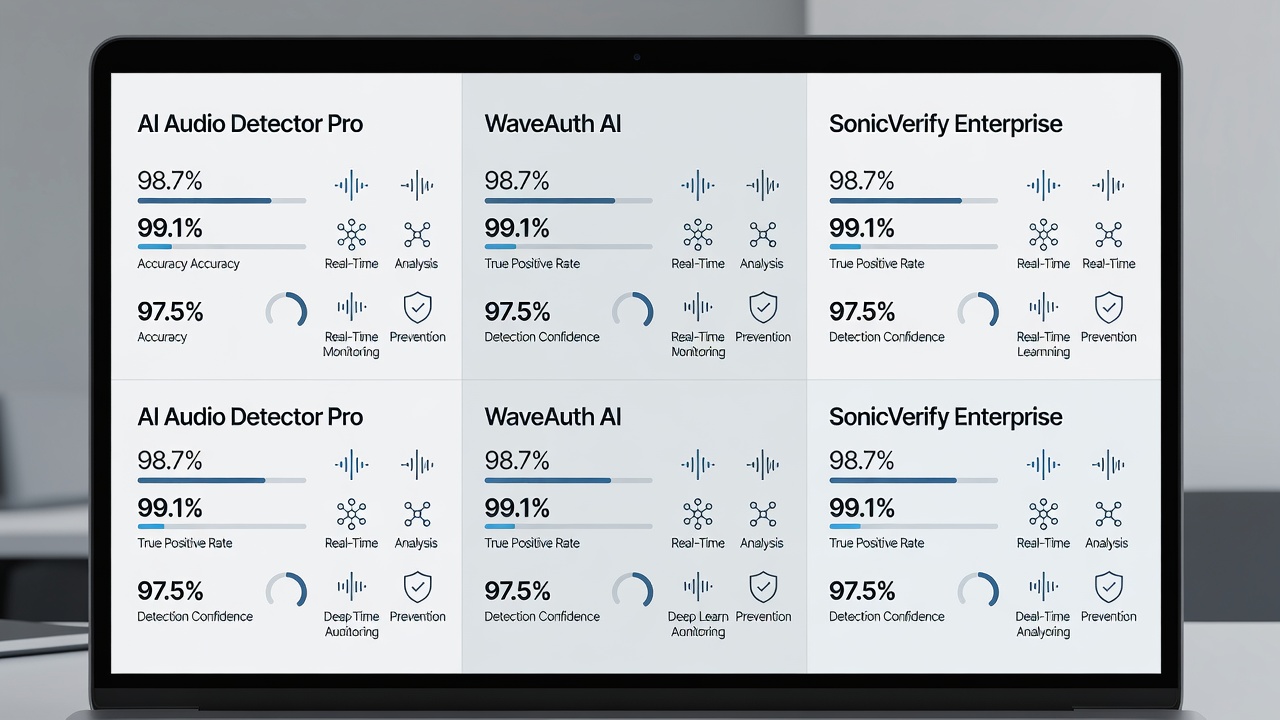
Leading Detection Software: A Comparison
Several tools now specialize in identifying synthetic audio. Popular options analyze spectral anomalies, prosody patterns, and embedded watermarks. Users should evaluate accuracy rates, ease of integration, and support for multiple languages when selecting software. Open-source solutions from research institutions often provide strong baselines for custom deployments. Enterprise-grade platforms offer dashboard reporting and API access for bulk processing, while consumer apps focus on quick mobile checks. When comparing options, consider factors such as false positive rates on accented speech and compatibility with common audio formats like MP3 and WAV. Regular updates are essential because new cloning techniques emerge frequently.
Step-by-Step Guide to Verifying Audio Authenticity
Verifying audio requires a methodical approach to avoid false conclusions. Begin by examining metadata for editing timestamps and source details. Next, run the file through multiple detection platforms for cross-verification. Check for watermark signals using industry-standard readers. Compare voice biometrics against verified original recordings. Finally, consult forensic audio experts for high-stakes verification. Each step builds confidence in the result. For instance, metadata analysis might reveal unexpected editing software, while biometric comparison can detect subtle inconsistencies in breathing patterns or intonation that AI models still struggle to replicate perfectly. Always document your process for transparency.
New Watermarking Standards and Their Impact
Updated 2026 watermarking protocols embed invisible markers during synthesis. These standards, developed through collaboration between tech firms and standards organizations, enable reliable detection even after compression or editing. Adoption is growing among major platforms to curb misuse. Watermarks can survive re-encoding and minor edits, making them a robust defense. However, challenges remain in ensuring universal compatibility across different synthesis engines and educating smaller creators about implementation.
Potential Misuse Risks and Mitigation Strategies
Risks range from financial scams to disinformation campaigns. Businesses can mitigate threats by implementing multi-factor authentication for voice-based systems and training staff on synthetic media awareness. Consumers should verify unexpected audio requests through secondary channels such as video calls or written confirmation. Additional strategies include maintaining personal voice libraries for comparison and participating in industry coalitions that share threat intelligence. Education campaigns in schools and workplaces are also proving effective at building public resilience against audio-based deception.
Practical Best Practices for Safe Adoption
- Always obtain explicit written consent before cloning any voice for commercial or public use.
- Choose tools that automatically apply detectable watermarks and maintain audit trails.
- Label all synthetic content clearly in metadata and on-screen disclaimers where applicable.
- Conduct regular audits of audio assets to identify potential unauthorized clones.
- Stay informed about emerging threats through reputable cybersecurity newsletters and forums.
FAQs on Legal Implications and Best Practices
What are the legal consequences of unauthorized voice cloning?
Depending on jurisdiction, penalties may include fines, civil lawsuits, or criminal charges for fraud and defamation. Always obtain explicit consent before cloning any voice. Recent court rulings have begun awarding damages for emotional distress caused by voice impersonation in 2026 cases.
How can businesses safely adopt voice cloning?
Follow best practices such as using licensed tools with built-in watermarking, maintaining audit logs, and clearly labeling synthetic content. Review guidelines from the Electronic Frontier Foundation for ethical frameworks. Pilot programs with small-scale projects help identify risks before full deployment.
Are detection tools 100% reliable?
No tool offers perfect accuracy. Combine multiple methods and stay updated on evolving threats for the best results. Hybrid approaches that blend automated analysis with human review currently yield the highest confidence levels.
What should individuals do if they suspect their voice has been cloned?
Report the incident to platform moderators and consider filing complaints with consumer protection agencies. Preserving original recordings and seeking legal counsel early can strengthen any subsequent action.
Conclusion
As AI voice cloning continues to advance in 2026, balancing innovation with ethical responsibility remains essential. By understanding detection methods, supporting regulatory efforts, and adopting transparent practices, stakeholders can harness the technology's benefits while minimizing harm. Continued collaboration between technologists, policymakers, and the public will be key to maintaining audio integrity in the years ahead.


No comments yet. Be the first!