 NeoBit Daily
Introduction to Neuromorphic Chips in 2026 EV Fleets
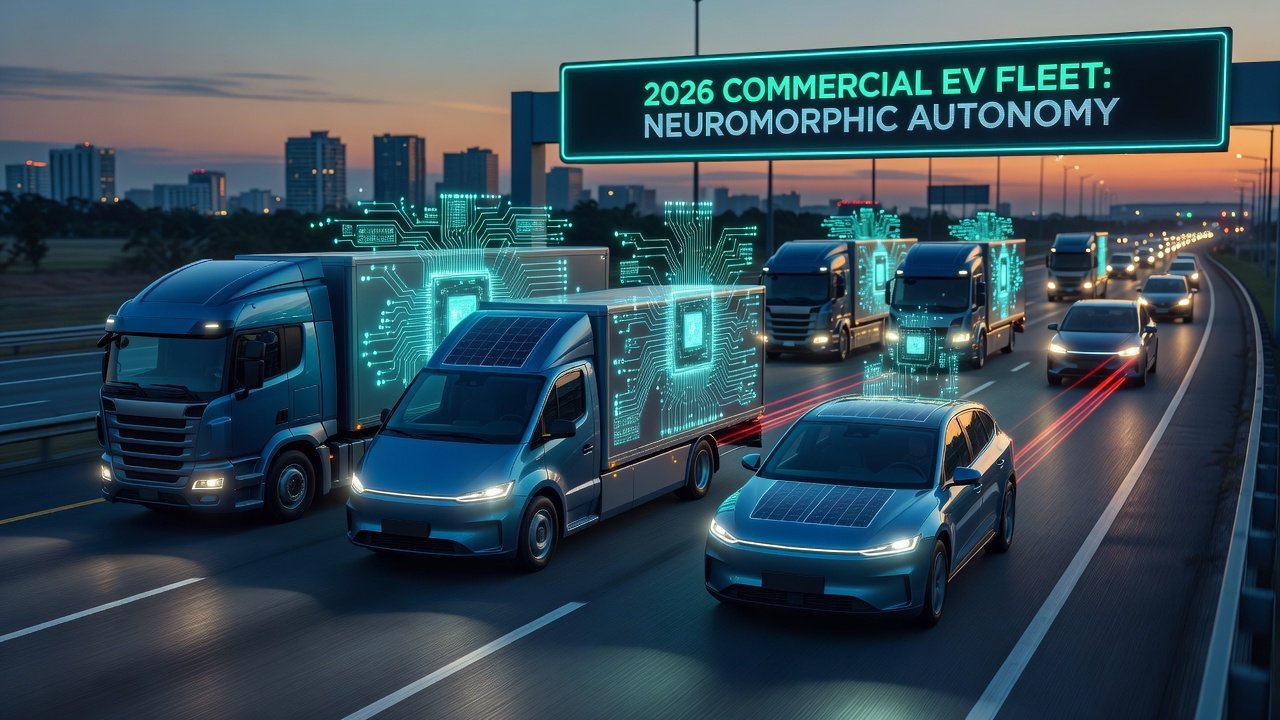
Neuromorphic computing is transforming how commercial electric vehicle fleets process data for autonomous operations. Unlike traditional GPUs, these chips mimic the human brain's neural structure to deliver efficient, real-time inference. In 2026, fleet operators are increasingly adopting them to cut energy use while maintaining high performance in demanding environments. This shift comes as EV fleets scale rapidly, requiring onboard AI that can handle continuous sensor streams without draining batteries excessively or generating excessive heat.
This article examines real deployments across Tesla, Waymo, and industrial partners, comparing energy savings against GPU baselines. It also provides benchmarks, practical integration steps, and financial considerations for fleet managers. By understanding these elements, operators can make informed decisions about upgrading their autonomous systems.
Understanding Neuromorphic Technology vs GPU Baselines
Neuromorphic chips process spikes of data asynchronously, enabling massive power reductions during idle periods common in fleet operations. GPUs, by contrast, maintain constant high-power states even for light workloads. This fundamental difference yields significant efficiency gains in edge AI tasks like object detection and path planning. Neuromorphic architectures excel at event-driven processing, activating only when relevant data arrives from cameras or LiDAR units.
Key advantages include lower latency for safety-critical decisions and improved inference accuracy under variable lighting or weather conditions typical for long-haul EV routes. Operators often note that these chips handle sparse data environments better, such as nighttime highway driving where most pixels remain unchanged. In comparison, GPU-based systems may require additional cooling infrastructure, adding weight and complexity to vehicle designs.
Case Studies: Tesla, Waymo, and Industrial Partners
Tesla has integrated neuromorphic elements into its Dojo-inspired fleet systems, achieving notable efficiency in Full Self-Driving updates for semi-trucks. The company's long-haul vehicles demonstrate smoother energy management during extended routes, allowing more consistent daily mileage without frequent charging stops. Waymo's robotaxi operations leverage similar architectures for urban navigation, reporting smoother handling in dense traffic and reduced computational overhead during stop-and-go scenarios.
Industrial partners in logistics have piloted chips from vendors like Intel for warehouse-to-dock autonomous transport. These trials focus on repetitive short-haul movements where rapid decision-making at loading docks is essential. Across all examples, fleets observe patterns of reduced downtime from thermal throttling and extended battery range on identical routes. Real-world feedback shows that neuromorphic deployments help fleets maintain higher utilization rates by minimizing unexpected system pauses.
Performance Benchmarks: Latency, Power Draw, and Accuracy
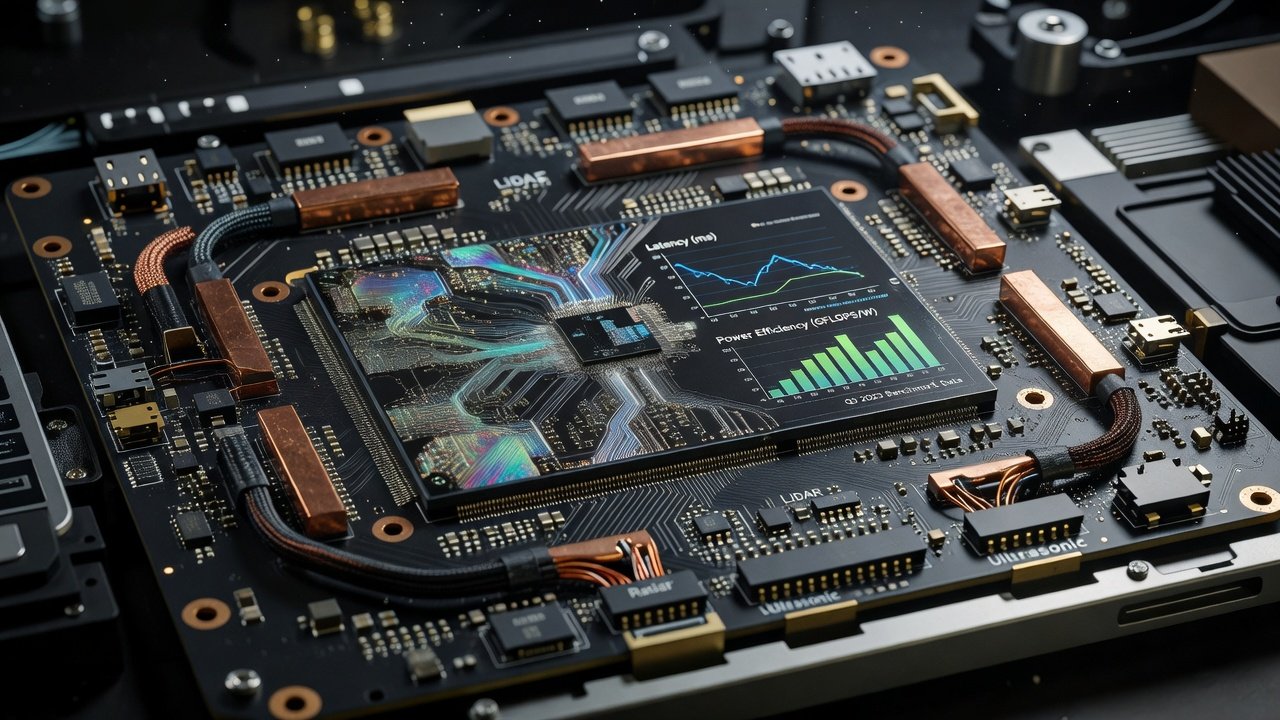
Comparative tests in 2026 show neuromorphic solutions outperforming GPUs across core metrics. Latency drops allow faster reaction times at highway speeds, critical for avoiding obstacles in mixed traffic. Power draw reductions support longer daily operational hours without recharging, directly impacting route planning flexibility. Inference accuracy remains high even with compressed models suited for onboard hardware, particularly in multi-object tracking tasks.
Fleet data indicates superior handling of multi-sensor fusion from LiDAR, cameras, and radar without the heat management overhead GPUs require. Operators can expect consistent performance across temperature extremes, from desert deliveries to cold-weather operations. These benchmarks help justify upgrades by highlighting reliability gains that translate into fewer service interventions.
Step-by-Step Integration Roadmap
- Assess current fleet hardware for compute module compatibility, including existing sensor interfaces and power delivery systems.
- Run pilot programs on 5-10 vehicles using standardized test routes that replicate typical daily operations.
- Validate energy and latency metrics against baseline GPU setups through side-by-side data logging.
- Scale to full production after software certification, driver training sessions, and regulatory compliance checks.
- Monitor ongoing performance through centralized fleet dashboards that track anomalies in real time.
- Iterate on models using aggregated anonymized data from the entire fleet to improve edge cases.
Hardware Compatibility Checks and Scaling Tips
Before rollout, verify interface standards such as PCIe or custom bus protocols common in modern EV platforms. Many 2026 EV platforms already support modular AI accelerators, reducing retrofit complexity. Start with edge cases like night operations or heavy loads to stress-test systems thoroughly. Scaling tips include phased geographic expansion and partnerships with chip providers for firmware updates. Avoid over-provisioning by matching chip variants to specific vehicle classes, such as using lighter versions for delivery vans versus heavier models for semi-trucks.
Common pitfalls include underestimating cabling requirements or skipping environmental testing in extreme conditions. Successful operators conduct thorough compatibility audits early and maintain spare modules for rapid field swaps during initial rollout phases.
ROI Calculations and Maintenance Considerations
Fleet operators evaluating neuromorphic adoption should focus on total cost of ownership, factoring extended vehicle uptime and lower electricity consumption. Qualitative benefits include improved route efficiency and reduced wear on batteries from steadier power profiles. Maintenance involves periodic firmware flashes and sensor recalibrations rather than full hardware replacements, lowering long-term labor needs.
Regular diagnostics help predict failures early, keeping fleets operational with minimal intervention. Operators should establish clear service protocols and train in-house teams on basic troubleshooting to avoid reliance on external specialists for routine checks.
FAQ: Common Adoption Hurdles and 2027+ Expectations
- What training is needed for technicians? Most fleets report 2-3 day certification programs covering diagnostics and basic troubleshooting procedures.
- How does this compare to existing AI hardware? Neuromorphic options excel in always-on edge scenarios where GPUs consume excess power during low-activity periods.
- What does the 2027 roadmap look like? Expect tighter integration with 5G vehicle-to-infrastructure networks and broader vendor ecosystems for easier customization.
- Are there regulatory barriers? Safety certifications remain the primary hurdle, but established players are streamlining approval processes through shared testing data.
- How to handle data privacy in fleet monitoring? Implement edge processing to minimize cloud uploads while complying with regional data protection standards.
Adoption hurdles often center on initial validation data, but proven case studies from major players are easing concerns. Tesla and Waymo continue publishing high-level fleet performance insights. For foundational neuromorphic research, refer to resources from Intel.


No comments yet. Be the first!