 NeoBit Daily
Introduction: Why 2026 Software Updates Matter for Green IT
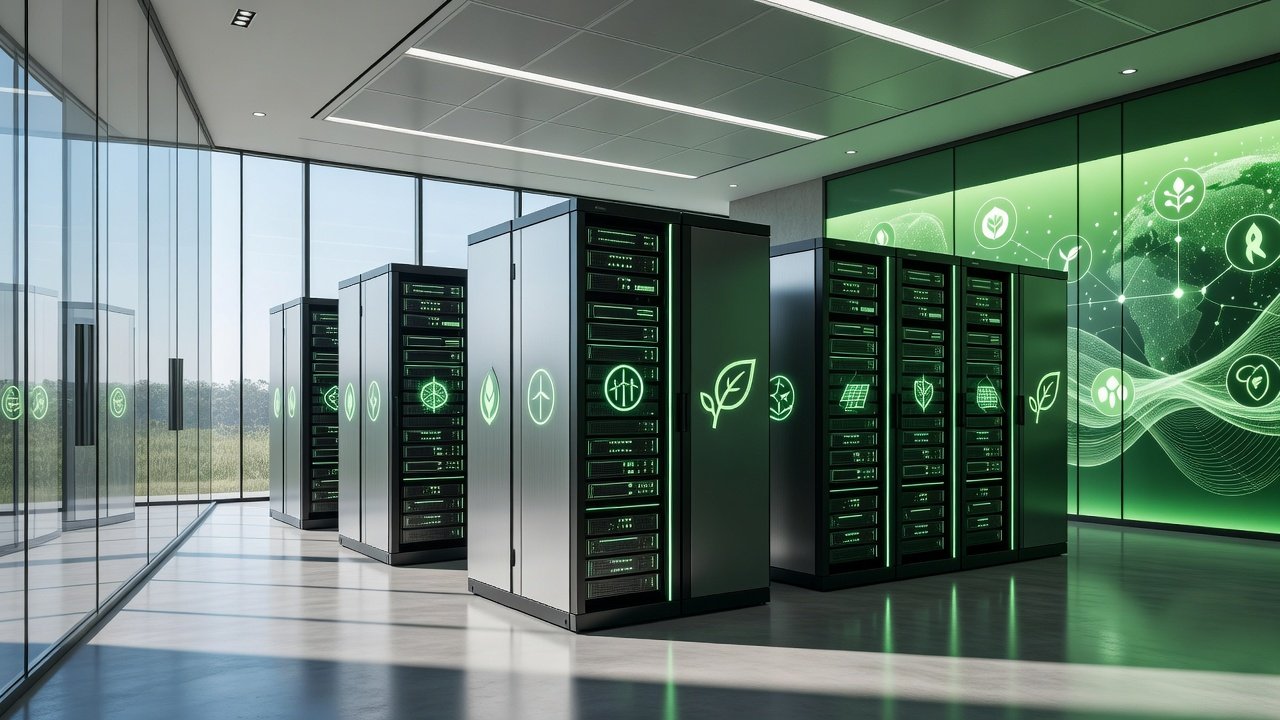
As organizations face mounting pressure to meet sustainability goals, IT teams are turning to 2026 software updates as a powerful lever for cutting emissions. Modern operating systems and applications now embed energy-efficient features that extend hardware life, optimize power draw, and minimize electronic waste. This shift comes at a critical time when data centers and endpoint devices account for a growing share of global electricity consumption. By strategically adopting these updates, companies can achieve meaningful reductions in their carbon footprint while maintaining or even improving system performance and security.
IT leaders seeking actionable wins will find evaluation frameworks, platform comparisons, and deployment checklists tailored for eco-conscious environments. The focus remains on practical elements such as hardware lifecycle extensions, power-saving patch features, and alignment with evolving green regulations. Real-world implementations demonstrate that thoughtful update strategies can deliver double-digit percentage drops in energy use across mixed device fleets without introducing downtime or user disruption. This article provides the depth needed to turn these opportunities into measurable sustainability wins.
Measuring Carbon Impact: Evaluation Frameworks for IT Teams
Quantifying the environmental benefits of software updates requires structured frameworks that go beyond simple before-and-after snapshots. Begin with comprehensive baseline energy audits using standardized tools that track wattage, utilization rates, and thermal output across servers, desktops, laptops, and mobile devices. Key metrics include kilowatt-hours per user, carbon dioxide equivalent emissions per device, hardware refresh cycle frequency, and overall Scope 3 emissions contributions from IT operations.
Adopt a phased approach that starts with current infrastructure assessment, followed by modeling projected savings from specific update features such as dynamic power scaling and background process optimization. Validate results through post-deployment monitoring over multiple weeks to account for seasonal workload variations. Frameworks from authoritative sources like the U.S. Environmental Protection Agency provide standardized protocols for reporting emissions and help ensure consistency with regulatory expectations. Integrate these measurements into existing IT dashboards so sustainability KPIs appear alongside traditional performance and uptime indicators. Regular reporting cycles help demonstrate compliance progress and uncover additional optimization opportunities that might otherwise remain hidden.
Platform Comparisons: Windows, macOS, and Linux in 2026
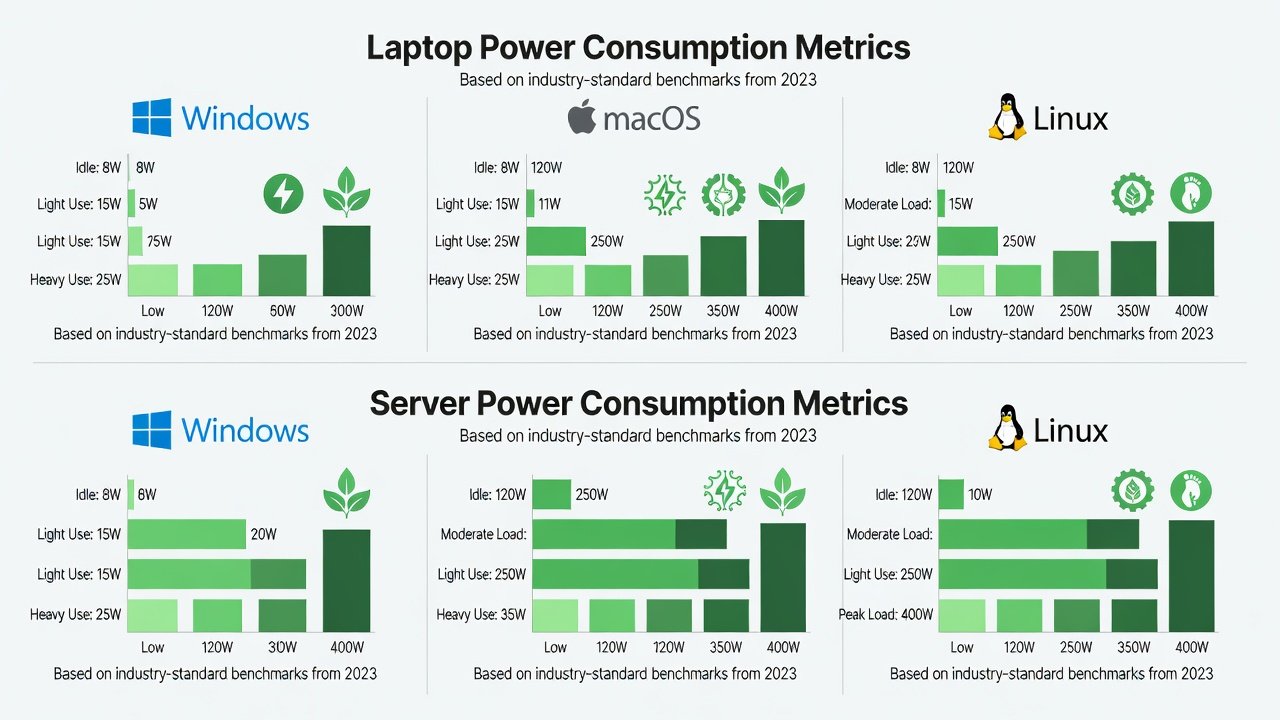
Each major platform offers distinct advantages for energy reduction in their 2026 releases, and understanding these differences enables informed decision-making. Windows updates emphasize adaptive power management that scales CPU and GPU usage dynamically based on real-time workload detection, with enhanced sleep states and rapid resume capabilities that dramatically reduce idle consumption. Enterprise administrators benefit from centralized policy controls that enforce power profiles across thousands of devices.
macOS continues to leverage unified memory architecture and intelligent thermal management algorithms, enabling longer hardware retention periods especially in creative and development workflows where performance consistency matters. The platform's focus on efficiency often results in lower average power draw during mixed-use scenarios. Linux distributions provide the most granular control through kernel-level tweaks, open-source power governors, and customizable scheduling that excels in server, containerized, and edge computing deployments. Distributions optimized for sustainability allow fine-tuning of CPU frequency scaling and network interface power states.
Real-world testing across comparable hardware reveals that Linux frequently leads in customizable efficiency for data centers and high-density environments, while macOS delivers strong results in mobile and creative teams. Windows balances broad compatibility with robust enterprise-scale deployment tools and reporting features. Teams should evaluate options based on existing hardware fleets, workload profiles, and internal expertise rather than seeking a single universal winner. Hybrid environments often achieve the best overall outcomes by matching platforms to specific use cases.
Step-by-Step Checklists for Eco-Optimized Deployment
Successful rollouts follow repeatable, documented processes that minimize risk. Use this detailed checklist to guide planning and execution:
- Conduct a full audit of current software versions and identify energy-related patch availability across all supported platforms.
- Establish pilot groups representing different hardware generations and user roles to measure power and performance deltas accurately.
- Configure power profiles during deployment using group policies, configuration management tools, or equivalent scripts tailored to each operating system.
- Schedule phased updates during low-usage windows while maintaining clear communication with end users about expected changes.
- Monitor post-update metrics including energy consumption, application responsiveness, and error rates for at least 30 days before expanding the rollout.
- Document all measured savings and prepare reports for stakeholders using standardized frameworks that support regulatory submissions.
- Develop and test rollback procedures in advance to ensure rapid recovery if unexpected issues arise.
Include targeted staff training sessions focused on new power-saving options and monitoring dashboards. These steps ensure sustainability gains occur alongside operational stability and user satisfaction.
Extending Hardware Lifecycle Through Software Optimization
One of the highest-impact strategies involves deliberately delaying hardware refreshes through software-driven optimizations. 2026 updates frequently include backward-compatible improvements such as enhanced driver efficiency, reduced memory overhead, and better support for legacy peripherals. These changes allow organizations to safely extend the usable life of existing devices by one or two additional years in many cases.
By extending average device lifespan even modestly, companies can cut manufacturing-related emissions substantially since production of new hardware carries significant embodied carbon costs. Combine updates with proactive maintenance practices including regular firmware refreshes, selective component upgrades like storage or memory where feasible, and thorough cleaning schedules. This approach supports circular economy principles while preserving capital budgets for other green initiatives such as renewable energy procurement or employee sustainability programs.
Power-Saving Patch Features in 2026 Updates
Recent patches introduce sophisticated capabilities including dynamic voltage and frequency scaling improvements, smarter background process throttling based on usage patterns, and AI-driven workload prediction that anticipates demand to pre-optimize power states. These features often activate automatically but deliver greater benefits when manually tuned for specific departmental or site requirements.
IT teams should review detailed release notes for each update cycle and conduct controlled testing in staging environments that mirror production workloads. Additional features such as enhanced hibernate modes, network-aware power policies, and improved display brightness management based on ambient light sensors contribute to consistent savings across diverse device fleets. Documenting configuration choices and their measured impacts creates valuable institutional knowledge for future cycles.
Common Mistakes to Avoid in Green IT Deployments
Even well-intentioned initiatives can fall short if common pitfalls are overlooked. Avoid rushing full-scale rollouts without adequate pilot testing, as this risks widespread performance issues that undermine user trust. Another frequent error involves neglecting to update supporting infrastructure such as network switches and storage systems that also consume power. Teams sometimes focus exclusively on endpoint devices while ignoring server-side efficiencies that can yield larger overall savings. Finally, failing to communicate benefits and changes to end users can lead to resistance or improper configuration that negates efficiency gains. Proactive planning and cross-functional collaboration help sidestep these issues.
FAQs on Compliance with Green Regulations
How do software updates help meet emissions reporting requirements? They provide verifiable, time-stamped data on reduced energy consumption that feeds directly into regulatory submissions and sustainability reports.
Do updates risk compliance if they introduce new vulnerabilities? No—pairing efficiency updates with the latest security patches maintains both environmental and cybersecurity standards when tested properly before deployment.
Which frameworks align best with global standards? The EPA’s ENERGY STAR program and international guidelines from the ENERGY STAR initiative offer clear alignment paths, while ISO environmental management standards provide additional structure for larger organizations.
Can small and mid-sized teams implement these strategies effectively? Yes, starting with pilot programs on a limited number of devices and scaling based on measured results allows teams of any size to achieve meaningful progress.
Conclusion: Turning Updates into Sustainability Wins
2026 software updates represent a strategic opportunity for IT leaders to advance green objectives while strengthening operational resilience. Through careful measurement, thoughtful platform evaluation, and disciplined deployment practices, teams achieve lower emissions alongside maintained or improved performance. Begin with targeted pilots on representative hardware, scale proven tactics across the organization, and maintain consistent tracking to build a compelling case for ongoing investment in sustainable IT practices that benefit both the environment and the bottom line.


No comments yet. Be the first!