 NeoBit Daily

2026 ERP Software Updates: Decoding Patch Notes for Efficiency
Enterprise resource planning systems form the backbone of modern operations, and the 2026 release cycles from major vendors bring targeted enhancements that directly impact efficiency. IT leaders and operations managers must parse patch notes strategically to extract performance optimizations, compliance improvements, and AI-driven features while minimizing business disruption. Understanding these updates goes beyond surface-level reading; it involves analyzing release notes for hidden dependencies, resource requirements, and long-term scalability implications that can transform how organizations operate their core systems.
Key Trends Across Major ERP Platforms in 2026
Release notes from SAP, Oracle, and Microsoft Dynamics reveal a shared emphasis on cloud-native scalability and embedded intelligence. Vendors are prioritizing incremental updates that address real-time data processing and regulatory alignment across global supply chains. This year marks a shift toward more autonomous systems that reduce the need for constant manual oversight, allowing teams to focus on strategic initiatives rather than routine maintenance tasks.
SAP S/4HANA 2026 Enhancements
SAP continues to refine its intelligent ERP suite with optimizations for in-memory computing and automated reconciliation processes. Patch notes highlight reduced latency in financial closing cycles and improved integration with external data sources. Organizations can expect better handling of complex multi-currency transactions and enhanced support for sustainability reporting modules that align with evolving international standards. These changes often include backend adjustments to database indexing that deliver noticeable speed improvements during peak operational periods.
Oracle Cloud ERP Developments
Oracle focuses on autonomous database capabilities and enhanced risk management modules. Updates emphasize predictive maintenance alerts and streamlined procurement workflows that reduce manual intervention. The 2026 patches introduce more sophisticated anomaly detection within financial ledgers, helping teams identify discrepancies before they escalate into larger issues. Integration with external IoT devices for supply chain visibility has also been strengthened, providing real-time insights that were previously available only through custom development efforts.
Microsoft Dynamics 365 Improvements
Microsoft Dynamics emphasizes Power Platform connectivity and advanced security protocols. The 2026 notes detail expanded analytics dashboards that support cross-functional reporting without custom development. New features allow seamless blending of CRM and ERP data streams, creating unified views of customer interactions and inventory levels. This facilitates faster response times in service operations and supports hybrid work models by improving mobile access to critical business metrics.
Evaluating Patch Notes for Minimal Downtime
Successful deployment begins with systematic review of release documentation. Teams should categorize changes by impact level, testing high-priority items in isolated environments first. This approach prevents cascading issues during production rollout. Beyond basic categorization, leaders must assess cumulative effects from multiple patches applied in sequence, as some updates may interact in unexpected ways with legacy custom code or third-party extensions. Maintaining a detailed timeline of previous updates helps identify patterns in how the system responds to incremental changes over time.
Key evaluation criteria include dependency mapping, rollback procedures, and estimated processing windows. Organizations that maintain detailed change logs report smoother transitions across quarterly cycles. It is also advisable to simulate full end-to-end business scenarios in test environments to uncover any performance bottlenecks that might only appear under realistic load conditions rather than in isolated module testing.
Integrating AI-Driven Analytics from Updates
Many 2026 patches introduce native machine learning models for demand forecasting and anomaly detection. Leaders should map these capabilities to existing KPIs to accelerate value realization. Successful integration requires careful data preparation, including cleaning historical records and establishing clear governance rules for how AI-generated recommendations are reviewed before implementation. Teams often start with pilot projects in non-critical areas before expanding to core financial or supply chain functions.
Integration steps typically involve enabling feature flags, training internal models with historical data, and establishing governance frameworks for AI outputs. SAP and similar platforms now offer guided wizards that simplify initial configuration. Monitoring the accuracy of AI predictions over the first few months post-deployment allows for timely adjustments and helps build internal confidence in the new tools.
Comparing Vendor Approaches to Security Fixes
Security remains a top priority across all vendors, yet implementation philosophies differ. SAP emphasizes zero-trust architectures with granular role-based controls, while Oracle prioritizes encrypted data flows at rest and in transit. Microsoft Dynamics integrates tightly with Azure Active Directory for centralized identity management. These differences influence how quickly organizations can achieve compliance with new regulations and how much ongoing administrative effort is required to maintain secure environments.
IT teams benefit from cross-vendor comparisons that weigh patch frequency against remediation timelines. Regular audits against frameworks from recognized bodies help maintain consistent protection levels. Evaluating the transparency of each vendor's security documentation also reveals how readily teams can understand the scope of fixes and plan accordingly without excessive back-and-forth with support teams.
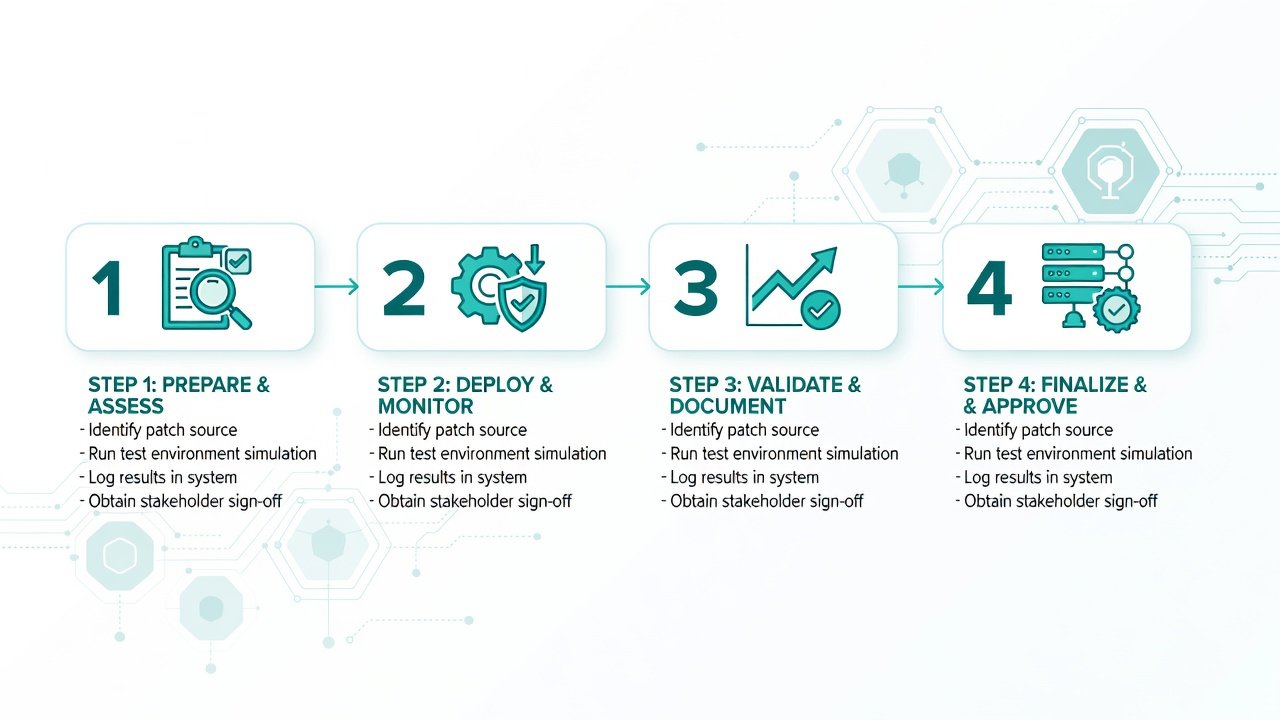
Step-by-Step Pre-Deployment Testing Checklist
- Review full release notes and identify affected modules, paying special attention to any deprecated features that may require code adjustments.
- Map changes against current customizations and integrations to spot potential conflicts early in the process.
- Establish a sandbox environment mirroring production configurations, including sample data volumes that reflect real usage patterns.
- Execute automated regression tests on critical business processes while also performing manual walkthroughs of high-risk workflows.
- Validate performance benchmarks under simulated load conditions to ensure response times remain acceptable during busy periods.
- Document rollback procedures and backup verification steps, including test restores to confirm data integrity after reversal.
- Conduct user acceptance testing with key stakeholders from finance, operations, and IT departments to gather diverse perspectives.
- Schedule phased rollout with monitoring checkpoints that allow for quick pauses if unexpected issues surface.
Real-World Examples of Productivity Gains
A manufacturing firm leveraged SAP 2026 analytics updates to reduce inventory carrying costs through improved forecasting accuracy. Operations managers noted faster decision cycles after embedding AI recommendations into daily dashboards, resulting in quicker adjustments to production schedules based on incoming orders. Another logistics provider using Microsoft Dynamics reported streamlined compliance reporting after applying targeted security patches, cutting audit preparation time significantly. These outcomes underscore the importance of deliberate patch evaluation rather than blanket adoption.
In a third example, an Oracle Cloud ERP user implemented the new predictive maintenance alerts to anticipate equipment failures in their warehouse operations. This proactive approach minimized unplanned downtime and allowed maintenance teams to schedule interventions during lower-activity windows, preserving overall throughput levels throughout the quarter.
Common Mistakes to Avoid During ERP Updates
Many organizations rush into deployments without sufficient testing of edge cases, leading to post-update disruptions that could have been prevented. Another frequent error involves neglecting to communicate changes to end users in advance, which reduces adoption rates and increases support tickets. Overlooking the impact on reporting tools or external interfaces is also common, as teams sometimes focus exclusively on core transactional modules. Learning from these pitfalls helps create more resilient update strategies for future cycles.
Measuring Success and Long-Term ROI
After deployment, tracking metrics such as system response times, user productivity indicators, and compliance audit pass rates provides clear evidence of value. Comparing these figures against pre-update baselines allows organizations to quantify the benefits of each patch cycle. Over multiple quarters, this data informs better decisions about which vendor features to prioritize in future updates and where additional training may be needed to fully leverage new capabilities.
Conclusion
Decoding 2026 ERP patch notes requires structured processes that balance innovation with operational stability. By focusing on performance, compliance, and AI integration while following rigorous testing protocols, organizations position themselves for sustained efficiency improvements. Oracle and Microsoft Dynamics resources provide ongoing guidance for teams navigating these updates.
No comments yet. Be the first!