 NeoBit Daily

Introduction to 2026 Developer Patch Notes
As software platforms evolve rapidly in 2026, developers must stay ahead of API changes that impact everything from authentication flows to build pipelines. This guide breaks down the most significant shifts, offering concrete migration paths and testing strategies to keep projects stable. With major releases from cloud providers, operating systems, and framework maintainers all converging this year, understanding these updates is essential for maintaining productivity and avoiding costly downtime. Whether you maintain enterprise applications or contribute to open-source libraries, the changes detailed here will help you plan effectively.
Major API Deprecations in 2026
Several widely used endpoints face retirement this year. For instance, legacy REST endpoints for user data syncing are being phased out in favor of GraphQL-based alternatives that reduce payload sizes. Older authentication methods relying on basic OAuth 1.0 flows are also being removed, replaced by more secure OAuth 2.1 implementations with mandatory PKCE support. Teams should audit calls to deprecated methods immediately to avoid runtime failures after mid-year cutoffs. Additional deprecations include certain WebSocket connection handlers and legacy database query APIs that lack modern encryption standards. Planning ahead by mapping these endpoints to their successors can prevent last-minute scrambles.
New Integration Features and Performance Optimizations
Platforms now ship native support for WebAssembly modules, enabling faster cross-language computations. Performance gains include up to 40% reductions in cold-start latency for serverless functions as of recent benchmarks. These optimizations particularly benefit data-intensive applications running on distributed systems. New features also encompass enhanced observability hooks that integrate directly with popular monitoring tools, allowing real-time tracing without additional middleware. Developers can leverage built-in caching layers that automatically handle invalidation based on data freshness policies.
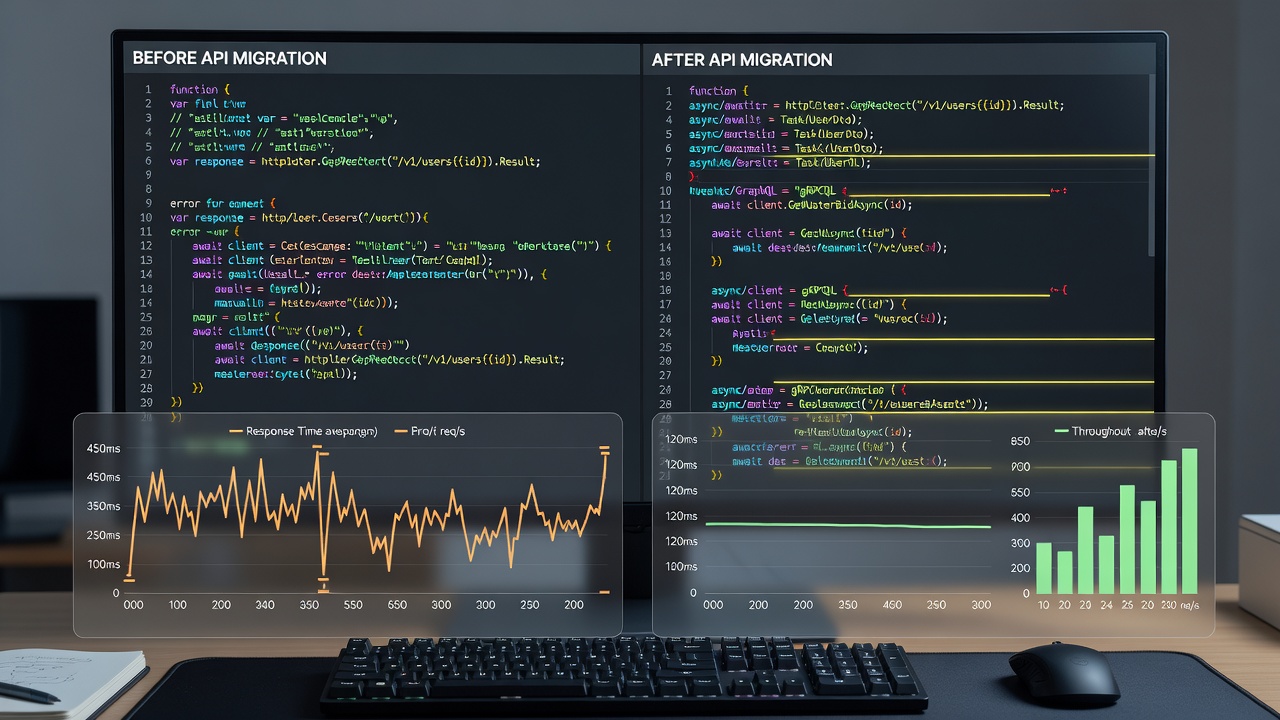
Real-World Code Migration Examples
Consider migrating from an older OAuth flow: replace direct token requests with the new PKCE-enhanced method. Sample Python snippet demonstrates the shift clearly:
# Before
response = requests.post(old_endpoint, data=legacy_payload)

# After
import pkce
code_verifier, code_challenge = pkce.generate_pkce_pair()
response = requests.post(new_endpoint, json=updated_payload)
In JavaScript environments, similar changes apply when updating fetch calls for API authentication. Another example involves switching from synchronous database queries to asynchronous streaming interfaces in Node.js applications, which improves throughput under high load. Teams migrating Java-based microservices should refactor their dependency injection patterns to align with updated service discovery protocols introduced in 2026.
Compatibility Testing Checklists
A thorough testing approach prevents surprises during rollout. Follow this expanded checklist:
- Verify all third-party SDK versions against 2026 release notes and update to the latest compatible releases
- Run automated regression suites on staging environments mirroring production OS setups, including edge-case network conditions
- Test edge cases for rate limiting and error handling in new APIs, simulating both success and failure scenarios
- Validate authentication tokens across multiple identity providers to ensure seamless single sign-on experiences
- Perform load testing with realistic traffic patterns to measure performance improvements from new optimizations
- Document any custom wrappers or polyfills created during migration for future maintenance
How OS Updates Affect Build Pipelines
Windows 11 2026 updates introduce stricter security policies that can break unsigned binaries in CI runners, requiring code signing certificates for all artifacts. macOS requires updated notarization for all distributed apps, with changes to the Gatekeeper framework affecting command-line tool distribution. Linux distributions emphasize containerized builds with updated kernel modules, particularly in distributions like Ubuntu and Fedora that have revised their default security modules. Compare pipeline scripts across these systems to ensure consistent artifact generation, and consider using cross-platform build tools such as Docker to abstract away OS-specific differences.
Windows-Specific Pipeline Adjustments
Update your build scripts to include explicit signing steps using tools like signtool.exe before packaging. Failure to do so may result in blocked deployments on end-user machines.
macOS and Linux Considerations
On macOS, integrate notarization commands into your CI configuration using the notarytool CLI. Linux pipelines benefit from adopting newer container runtimes that support the latest kernel features for improved isolation.
Incorporating Changes into CI/CD Processes
Update your pipeline YAML files to include conditional steps that detect deprecated API usage via static analysis tools. Schedule phased rollouts starting with non-critical services, and monitor metrics dashboards for anomalies during the transition window. Implement feature flags to toggle between old and new API versions during the migration period. Automate dependency scanning in every build stage to catch issues early, and integrate health checks that verify API compatibility before promoting builds to production.
Common Pitfalls and How to Avoid Them
Many teams overlook backward compatibility layers, leading to sudden outages. Always maintain dual-support branches during migration and document every change in internal wikis. Another frequent mistake is ignoring rate-limit changes, which can throttle automated tests. Test thoroughly against official documentation from sources like MDN Web Docs and GitHub Docs. Overlooking logging enhancements in new APIs may also hide critical debugging information during incidents.
Tools and Resources for Smooth Adoption
Popular static analysis tools now include rulesets tailored for 2026 deprecations. Integrate these into your development workflow alongside continuous integration platforms. Reference materials from Microsoft Developer Resources and Apple Developer provide platform-specific guidance that complements community forums and official changelogs.
FAQ
When should I start migrating? Begin audits now to meet typical Q3 deprecation deadlines and allow buffer time for unexpected complications.
Do these changes affect open-source projects? Yes, maintainers should update dependencies promptly to keep their libraries viable for downstream users.
Are there tools to automate testing? Leverage linters integrated into popular IDEs for early detection, combined with automated pipeline scans.
How do performance gains translate to real applications? Expect measurable improvements in latency-sensitive workloads, especially those leveraging WebAssembly modules.
What if my project uses older frameworks? Evaluate upgrade paths or community-maintained compatibility shims before full migration.
Conclusion
Staying proactive with 2026 updates ensures smoother workflows and fewer production incidents. Review the outlined steps, apply them to your stack, and revisit this guide as new patches emerge throughout the year. By following structured migration plans and thorough testing protocols, development teams can turn these platform shifts into opportunities for improved reliability and efficiency.
No comments yet. Be the first!