 NeoBit Daily
Introduction
Reviewing smart devices effectively in 2026 requires a structured approach that goes beyond first impressions. Whether evaluating the latest smartphones, wearables or connected home gadgets, following proven protocols helps produce reliable, SEO-friendly content that resonates with readers searching for trustworthy insights. As the market continues to evolve with new AI-driven features and improved connectivity standards, reviewers must adapt their methods to capture meaningful data that informs purchasing decisions. This guide provides a comprehensive framework for conducting professional-grade evaluations that stand out in search results and deliver genuine value to audiences.
Selecting Metrics for Performance
Begin by defining clear performance metrics tailored to each device category. For smartphones, focus on processor speed, RAM efficiency and display quality under varied lighting conditions such as direct sunlight or low-light indoor environments. Wearables demand attention to sensor accuracy for heart rate and step counting alongside data synchronization speeds with companion apps. Smart home devices require evaluation of response times to voice commands and energy consumption during idle states. Always align chosen metrics with 2026 industry standards such as updated energy efficiency benchmarks from major certification bodies to ensure your review remains relevant and comparable across competitors.
Additional considerations include thermal management during intensive tasks like video rendering or gaming, as well as network throughput on 5G and emerging 6G connections. By establishing these metrics early, reviewers create a consistent baseline that allows for objective scoring and helps readers quickly understand strengths and weaknesses without sifting through vague descriptions.
Battery Benchmarks and Testing Protocols
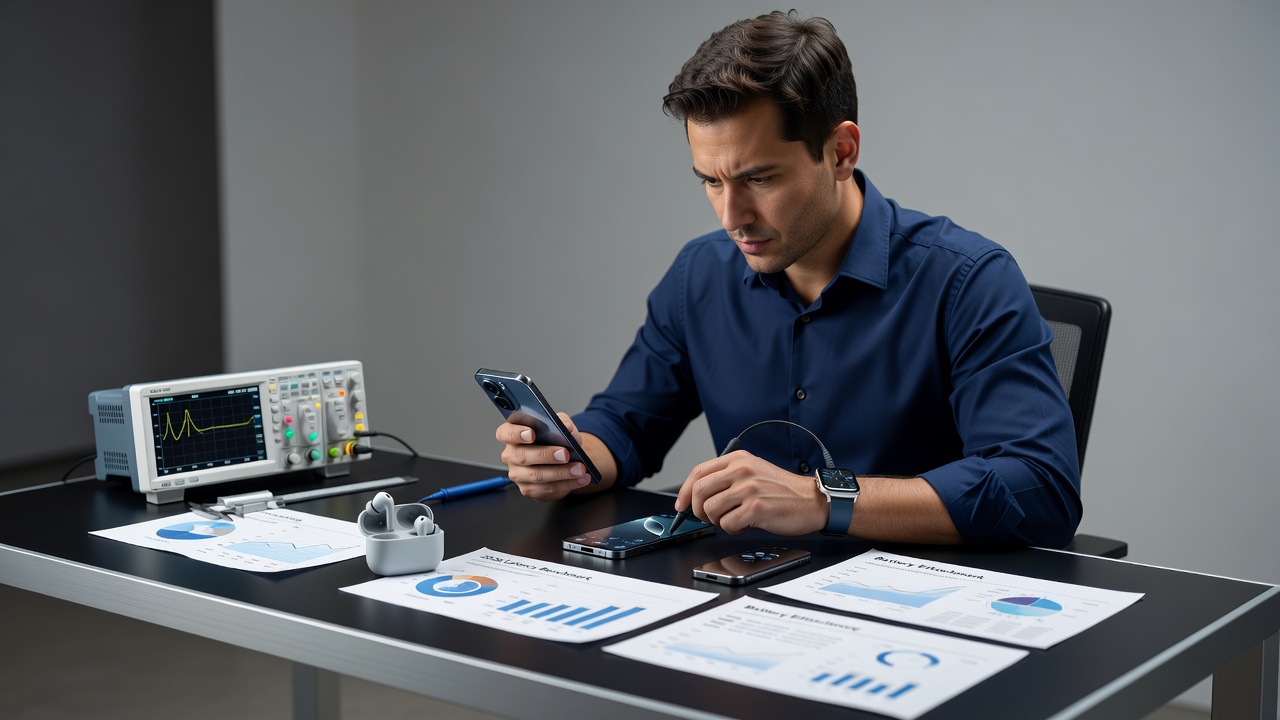
Battery life remains a top concern for users across all smart device categories. Conduct standardized tests including continuous video playback at fixed brightness levels, mixed real-world usage simulating calls, browsing and media consumption, and standby drain measurements over full 24-hour periods. Record results in controlled environments at consistent temperatures to ensure reproducibility and eliminate variables that could skew outcomes. Compare findings against baseline expectations for similar devices released in early 2026, noting any improvements in charging speeds or adaptive power management features.
Advanced testing might involve multiple charge cycles to assess long-term degradation or stress tests combining high-performance apps with location services enabled. These protocols provide readers with actionable data rather than generic claims about endurance, enhancing the credibility of your overall review.
Usability in Daily Scenarios
Simulate everyday conditions by wearing devices during commutes, workouts and office tasks to uncover real usability issues. Assess interface responsiveness when switching between apps, notification management during focused work periods and comfort over extended wear sessions that last several hours. Note any friction points like app navigation delays, inconsistent haptic feedback or difficulties with gesture controls that affect long-term satisfaction and could lead to user frustration.
Practical examples include testing a smartwatch during a full workday to measure how well it integrates with calendar alerts while tracking activity levels, or evaluating a smartphone's one-handed operation on public transport. These scenarios reveal insights that lab tests alone cannot capture and help differentiate truly user-friendly products from those that excel only on paper specifications.
Integration with Other Ecosystems
Evaluate cross-device compatibility thoroughly by testing pairing processes with popular operating systems, smart home hubs and third-party apps commonly used in 2026. Check for seamless data sharing between a new wearable and existing smartphone ecosystems, voice assistant performance across different platforms and firmware update reliability over several weeks of monitoring. Reliable integration often determines whether a device earns strong recommendations or falls short in multi-device households.
IEEE standards provide useful frameworks for assessing connectivity protocols in modern smart devices, while NIST resources offer additional guidance on security aspects of ecosystem interactions.
Comparing Against 2026 Industry Standards
Stay current with evolving benchmarks by referencing official specifications from manufacturers and independent testing labs. Track advancements in AI processing capabilities, 5G and 6G efficiency improvements and enhanced privacy features that have become standard expectations this year. This comparison adds credibility to your analysis and helps readers understand relative value when choosing between multiple options in a crowded marketplace.
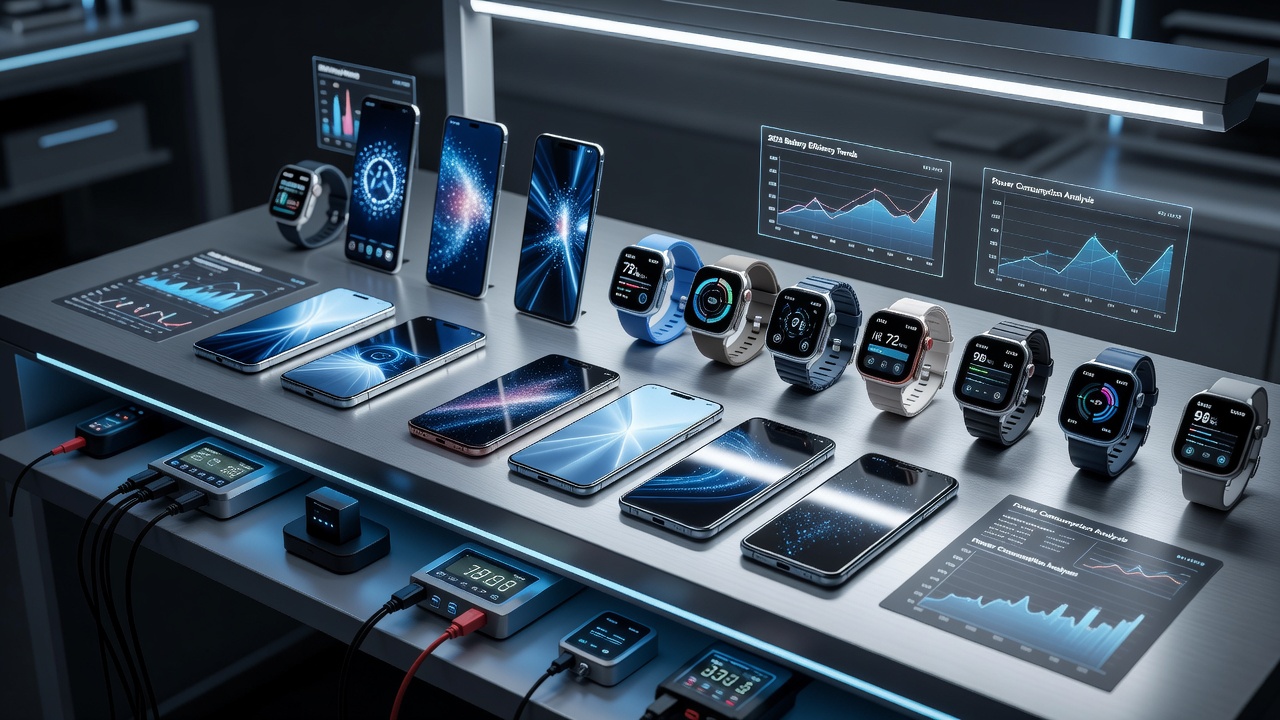
Include side-by-side tables or charts in your documentation to visually highlight where a device excels or lags behind competitors, making complex data more accessible to non-technical audiences while maintaining depth for enthusiasts.
Documenting Findings with Photos and Data Logs
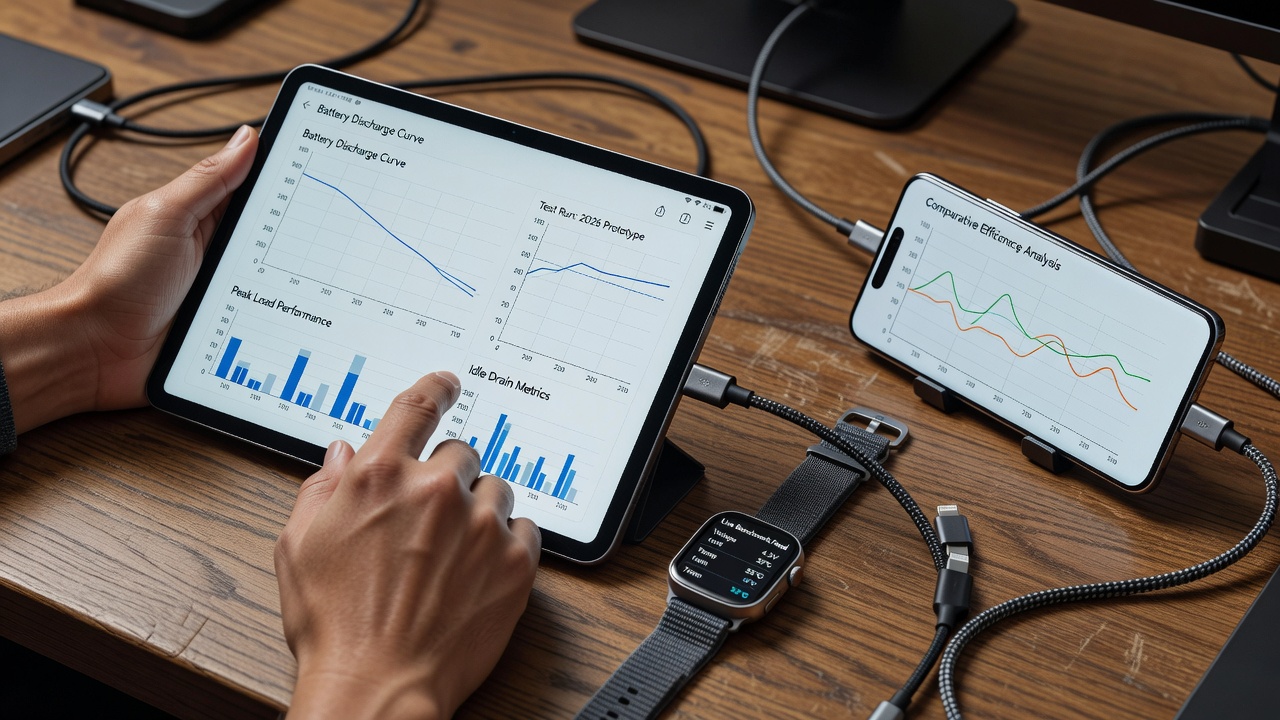
Capture high-resolution images of unboxing experiences, screen displays under different conditions, wear tests in motion and step-by-step setup processes. Maintain detailed spreadsheets logging battery percentages at regular intervals, app load times across multiple trials and any error occurrences with timestamps. Visual evidence paired with quantitative data strengthens review authority and supports SEO through rich media that encourages longer page visits and social sharing.
Tools and Software for Accurate Testing
Equip yourself with reliable tools such as calibrated battery monitoring apps, network speed testers and sensor calibration utilities available on major app stores. Spreadsheet software helps organize raw data into meaningful trends, while photo editing programs ensure images remain clear and professional without misleading alterations. Using these resources consistently reduces human error and produces polished final outputs that readers trust.
Step-by-Step Checklist for Expert Reviews
- Define device category and target audience to focus testing efforts effectively.
- Establish 5-7 core metrics aligned with 2026 standards before beginning hands-on work.
- Perform controlled battery and performance tests in repeatable conditions.
- Conduct multi-day usability trials across varied real-world environments.
- Verify ecosystem integrations across multiple platforms and software versions.
- Photograph key stages and compile comprehensive data logs for transparency.
- Draft findings with balanced pros, cons and direct comparisons to similar products.
- Proofread thoroughly for bias and optimize headings and keywords for target search queries.
Real-World Examples from Recent Device Launches
Consider how flagship smartphones launched in Q1 2026 handled thermal throttling during extended gaming sessions lasting over two hours. Reviewers who followed rigorous protocols highlighted specific improvements in cooling systems compared to 2025 models, noting reduced frame rate drops and more consistent performance. Similarly, premium smartwatches demonstrated superior heart-rate accuracy during high-intensity interval training when tested against medical-grade references, providing readers with confidence in health tracking features.
Another example involves smart earbuds that excelled in noise cancellation during urban commutes but struggled with battery life when paired with multiple devices simultaneously, illustrating the importance of holistic testing beyond isolated features.
FAQ: Avoiding Common Review Biases
How can I prevent confirmation bias in gadget reviews?
Approach every device with neutral expectations and test multiple units when possible. Document both positive and negative results equally to present a complete picture rather than favoring preconceived notions.
What role does subjective opinion play?
Subjective views add personality and relatability but should always be supported by objective data from standardized tests. Clearly separate personal preferences from measurable outcomes to maintain credibility.
Should I disclose testing conditions?
Yes, full transparency about environment, duration, software versions and any external factors builds reader trust and improves SEO through detailed, authoritative content that search engines favor.
How do I handle devices with limited availability?
When review units are scarce, clearly state assumptions based on available samples and recommend readers verify findings with their own usage patterns to avoid overgeneralization.
Conclusion
By applying these expert protocols consistently, anyone can produce insightful gadget reviews that stand out in 2026 search results. Consistent methodology combined with clear documentation empowers creators to deliver genuine value while meeting audience expectations for depth, accuracy and reliability in an increasingly competitive content landscape.
No comments yet. Be the first!