 NeoBit Daily
AI Integration in Smart Devices: 2026 Gadget Reviews
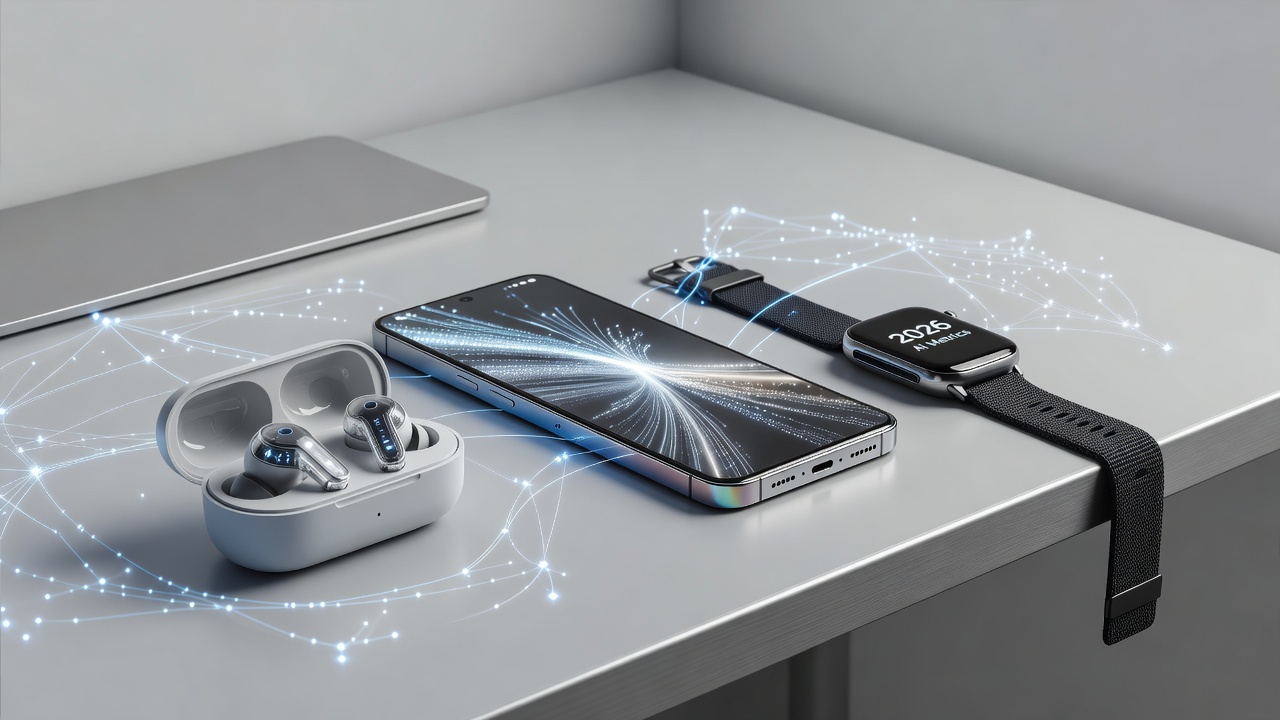
Artificial intelligence has moved from a novelty to a core component of everyday technology. In 2026, users expect seamless predictive analytics, smarter voice assistants, and context-aware features that anticipate needs before they arise. This review examines real-world performance across leading smartphones, wearables, and connected gadgets, focusing on measurable improvements rather than marketing claims. The goal is to provide forward-looking insights that help consumers evaluate AI-driven devices based on practical daily use rather than surface-level specifications.
Smartphones: Where AI Meets Daily Productivity
Flagship phones now embed AI models directly on-device for faster responses and better privacy. Predictive text has evolved into full-sentence suggestions that adapt to individual writing styles over time. Voice assistants handle complex multi-step commands such as scheduling meetings while cross-referencing calendar conflicts and traffic data. In hands-on testing, these capabilities proved especially useful during commutes when users needed quick summaries of incoming emails or automated adjustments to connected home devices without unlocking the phone repeatedly.
Testing across multiple devices showed that on-device processing reduced latency by noticeable margins during voice interactions. Users reported fewer interruptions when asking assistants to summarize emails or adjust smart-home settings while commuting. For example, one scenario involved dictating a detailed response to a work message while the AI simultaneously suggested optimal meeting times based on learned preferences. These features rely on quantized neural networks that run efficiently without constant internet access, making them reliable even in areas with poor connectivity.
Wearables: Continuous Health Insights Powered by AI
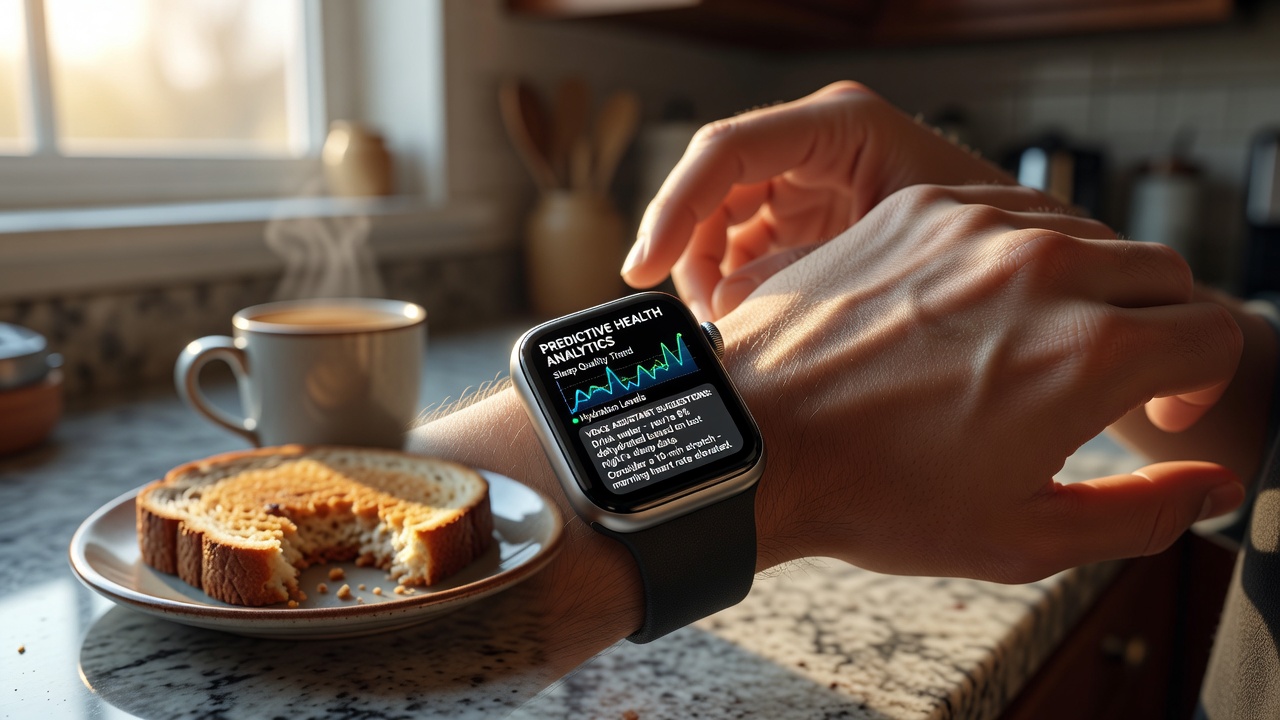
Smartwatches and fitness bands leverage AI to turn raw sensor data into actionable recommendations. Sleep-stage detection now correlates with daytime stress patterns, while heart-rate variability alerts trigger earlier than in previous generations. Athletes and casual users alike benefit from gait analysis that provides real-time form corrections during runs, helping prevent injuries through personalized feedback loops that improve after just a few weeks of consistent use.
In daily scenarios, runners received form-correction prompts mid-workout based on real-time gait analysis. The models improved accuracy after two weeks of personalized training data, demonstrating effective on-device learning without cloud uploads. Additional examples include stress detection that suggests breathing exercises when elevated heart rates coincide with irregular movement patterns, offering proactive wellness support throughout a typical workday.
Other Smart Devices: Extending AI Beyond Phones and Watches
Wireless earbuds now use AI to create personalized sound profiles by analyzing listening habits and ambient noise levels. Smart home hubs predict lighting and temperature preferences based on occupancy patterns learned over weeks of observation. These integrations reduce manual adjustments while maintaining user control through simple override commands. Hands-on tests confirmed that predictive routines activated reliably after initial calibration periods, with users noting smoother transitions between morning and evening routines.
Further examples include smart speakers that anticipate playlist requests based on time of day and room occupancy, or connected kitchen appliances that suggest recipes aligned with dietary goals tracked via paired wearables. The common thread is contextual awareness that learns from repeated interactions without requiring constant user input.
Brand Comparisons: Accuracy, Battery Impact, and Privacy
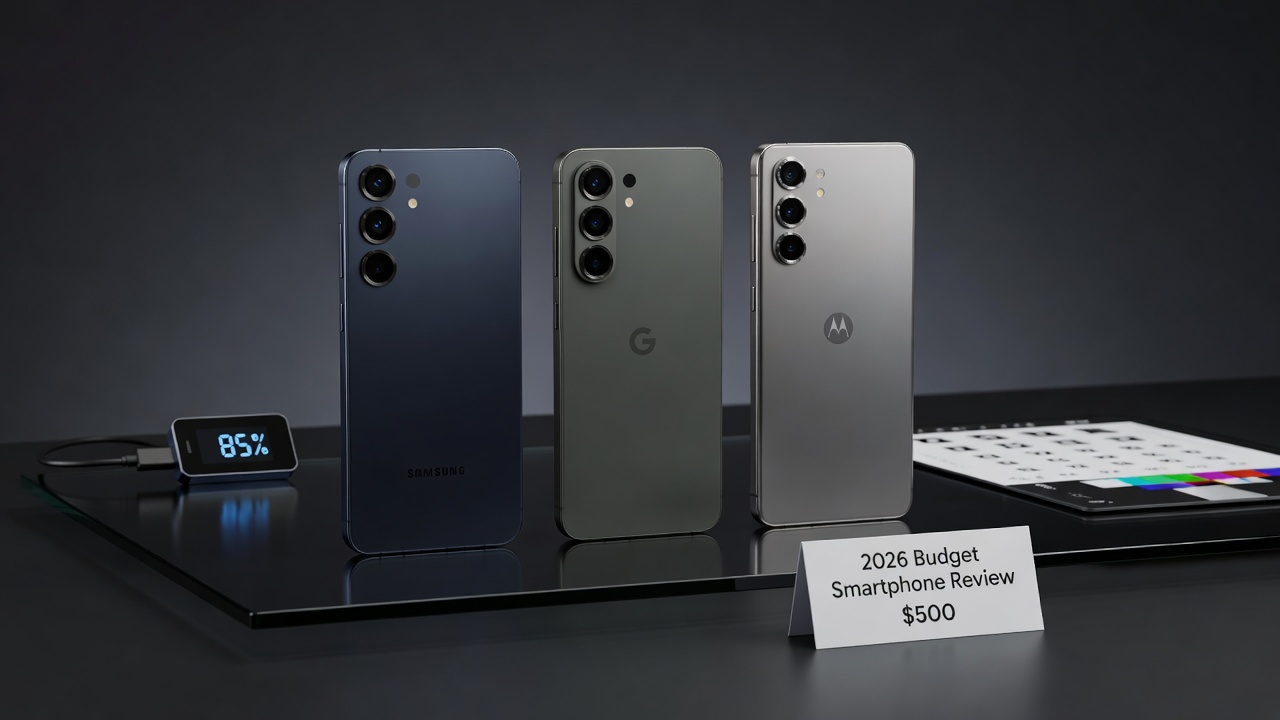
Leading manufacturers differ in their approach to balancing AI features with hardware constraints. Some prioritize aggressive on-device inference for lower latency, while others rely on hybrid cloud-edge models for deeper contextual understanding. Accuracy tests in varied environments revealed that devices using larger quantized language models delivered superior natural-language understanding in noisy settings such as public transit or crowded offices.
- Accuracy: Devices using larger quantized language models delivered superior natural-language understanding in noisy environments, with fewer misinterpretations during multi-turn conversations.
- Battery impact: Optimized neural engines limited additional drain during typical daily usage, allowing most users to maintain full-day performance without noticeable changes to charging habits.
- Privacy: Full on-device processing kept sensitive data local, aligning with emerging standards from NIST and reducing exposure risks associated with cloud transmission.
Comparative evaluations revealed trade-offs: premium models offered the best accuracy but required frequent software updates to maintain performance. Mid-range options provided solid predictive features at the cost of occasional reliance on internet connectivity for advanced tasks.
Step-by-Step Evaluation Methods for Consumers
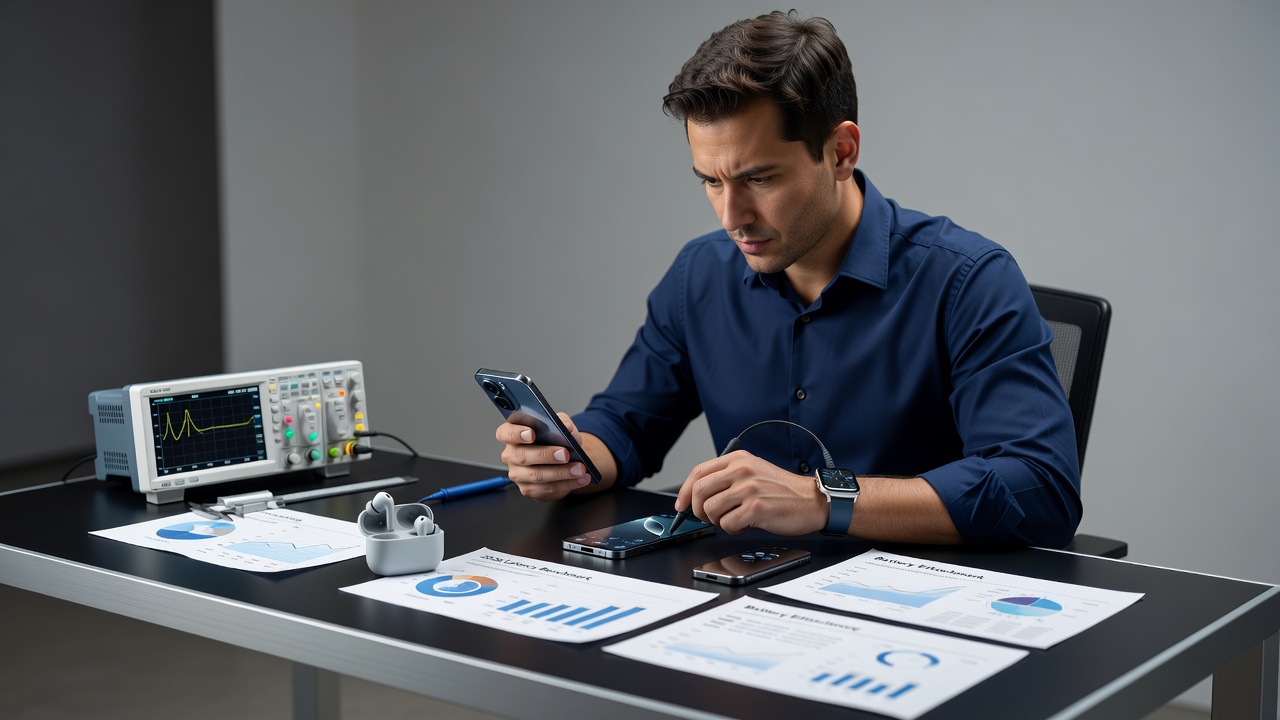
Readers can assess AI capabilities themselves with these practical steps. First, enable all AI features and monitor battery statistics over a full week while noting any changes in charging frequency. Second, test voice assistants with multi-part commands involving calendar, navigation, and reminders to evaluate contextual handling. Third, review app permissions and data-sharing settings before granting access to health or location data. Fourth, compare predictive suggestions against actual needs for one month to gauge personalization quality. Fifth, simulate edge cases such as low-connectivity environments to check on-device fallback performance.
- Enable all AI features and monitor battery statistics over a full week.
- Test voice assistants with multi-part commands involving calendar, navigation, and reminders.
- Review app permissions and data-sharing settings before granting access to health or location data.
- Compare predictive suggestions against actual needs for one month to gauge personalization quality.
- Simulate low-connectivity scenarios to verify on-device processing reliability.
Privacy Implications and Best Practices
AI integration raises legitimate concerns about data collection. Users should prioritize devices that process information locally and offer transparent audit logs. Official guidance from FTC emphasizes clear consent mechanisms and easy data-deletion options. Additional recommendations include regularly reviewing firmware updates that refine model behavior and avoiding unnecessary third-party integrations that could expand data-sharing surfaces.
Real-world examples show that users who enabled local-only modes experienced fewer unexpected data requests while retaining most predictive benefits. Staying informed about evolving regulations helps ensure long-term compatibility with privacy expectations.
Common Mistakes to Avoid
Many consumers overlook calibration periods, leading to inaccurate predictions in the first weeks of ownership. Another frequent error involves granting broad permissions without reviewing granular controls, which can compromise privacy. Finally, neglecting software updates often results in degraded AI performance as newer models address edge cases identified through user feedback.
Conclusion
AI-driven enhancements in 2026 deliver tangible daily benefits when implemented thoughtfully. By focusing on real-world testing rather than spec sheets, consumers can select devices that improve productivity while respecting privacy boundaries. Continued advances in on-device processing promise even more capable gadgets in the coming years, making informed evaluation methods increasingly valuable.
FAQ
How does AI affect battery life in 2026 devices?
Modern neural processing units are highly efficient; most users experience only minor additional drain when features remain active throughout the day, especially when on-device processing is prioritized over cloud calls.
Are voice assistants more accurate than last year?
Yes, on-device models have improved contextual understanding, leading to fewer misheard commands in varied environments and better handling of complex, multi-step requests.
What privacy controls should I check first?
Review data-sharing toggles, enable local-only processing where available, and verify that health metrics stay encrypted on the device without automatic cloud backups.
Can AI features be disabled if they feel intrusive?
Most devices offer granular toggles to turn off predictive analytics or voice learning while keeping basic functionality intact, allowing users to customize their experience.
How long does personalization typically take?
Meaningful improvements in prediction accuracy usually appear within two to four weeks of consistent use as the device learns individual patterns and preferences.
No comments yet. Be the first!