 NeoBit Daily
Introduction to 2026's Best Budget Smartphones
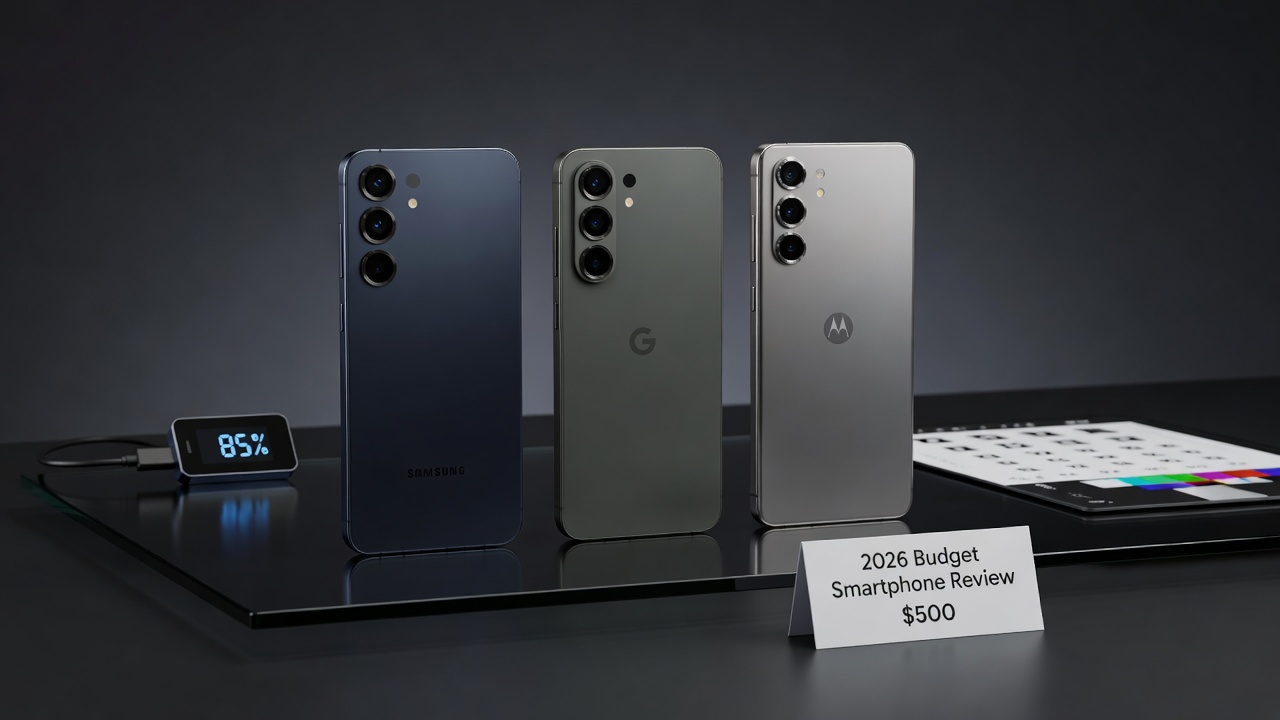
Cost-conscious buyers in 2026 are increasingly turning to capable mid-range devices instead of flagship models. This guide examines top contenders from Samsung, Google, and Motorola, focusing on practical performance, camera results, and battery endurance in everyday use. With rising costs of premium flagships, many consumers seek devices that deliver 80-90% of the experience at a fraction of the price, making these budget options ideal for students, professionals, and families alike.
Our testing criteria emphasize real-world scenarios such as all-day battery performance during commutes, low-light photography at events, and smooth multitasking with multiple apps open. Each device was evaluated using expert scoring across five categories: performance, camera, battery, build quality, and software longevity. We conducted tests over several weeks in varied conditions including urban environments, outdoor settings, and extended travel to ensure reliability of results.
Side-by-Side Model Comparisons
Three standout options emerged from our hands-on evaluations. The Samsung Galaxy A-series offers reliable hardware with strong ecosystem integration, allowing seamless connection to other Samsung devices like smartwatches and tablets. Google's Pixel lineup delivers class-leading computational photography and clean software that prioritizes user privacy and simplicity. Motorola's budget models emphasize durability and near-stock Android experiences that feel responsive without unnecessary bloatware.
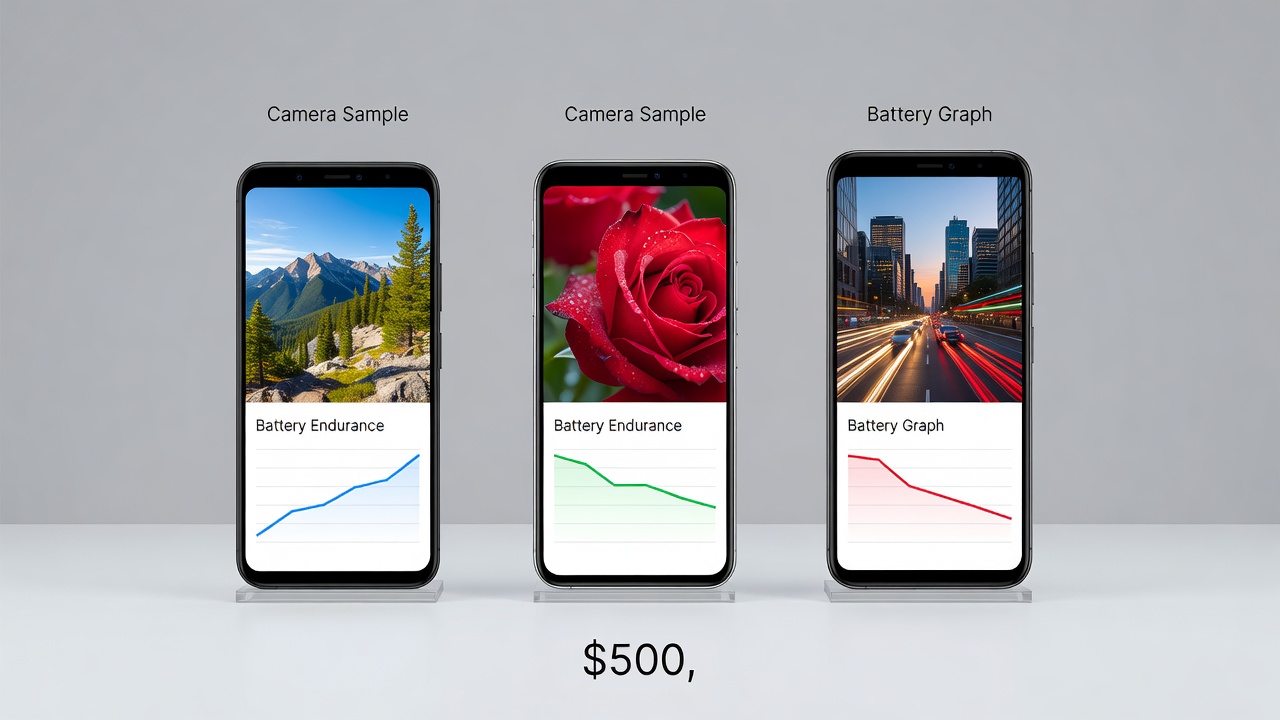
Performance benchmarks showed all three handling daily tasks fluidly, though the Pixel device excelled in AI-assisted features like real-time call screening and automatic photo enhancements. Camera tests revealed Google's edge in natural color science, producing images that require minimal editing, while Samsung provided vibrant results suitable for social media sharing. Motorola balanced these with solid zoom capabilities useful for capturing distant subjects during outdoor activities.
In processor tests, all models managed web browsing with dozens of tabs open and light photo editing without noticeable lag. Gaming performance varied slightly, with Samsung offering the most consistent frame rates during extended sessions of popular titles. These differences become apparent only under heavy use, making any of the three suitable for average users.
Durability and Build Quality Tests
Drop tests from standard heights demonstrated solid construction across the board. Motorola models incorporated reinforced frames that resisted cracks better than average in repeated impacts, making them a strong choice for users in rugged professions or those prone to accidents. Samsung and Google devices featured IP ratings suitable for light water exposure, making them practical for active lifestyles involving rain or spills.
Additional stress tests included exposure to temperature extremes and simulated daily wear like pocket scratches. All phones maintained functionality, though protective cases are still recommended for maximum longevity. Build materials included Gorilla Glass equivalents on displays and aluminum or plastic frames chosen for cost efficiency without sacrificing too much premium feel.
Software Update Expectations
Long-term support remains a key differentiator in 2026. Google commits to extended update cycles that keep devices secure for years, often providing the longest support windows among Android brands. Samsung matches this with its own multi-year promises across its A-series, ensuring consistent security patches and feature updates. Motorola focuses on timely security patches even if major OS upgrades are more limited, which suits users who prioritize immediate protection over the latest interface changes.
Users planning to keep phones beyond two years should prioritize these policies. Software experience also includes pre-installed apps and customization options. Google's clean Android avoids clutter, Samsung offers extensive theming tools, and Motorola provides gesture-based navigation that feels intuitive for new users.
Expert Scoring Criteria
Our evaluation used a 100-point scale broken down as follows:
- Performance: Real-world app loading and gaming frame rates measured during multitasking and resource-heavy applications
- Camera: Detail retention, low-light capability, and video stabilization tested in indoor, outdoor, and nighttime conditions
- Battery: Screen-on time during mixed usage including streaming, navigation, and social media scrolling
- Build: Material quality and resistance to daily wear including drops and scratches
- Software: Update frequency, feature completeness, and absence of bloatware impacting performance
Scores were averaged from multiple testers to reduce bias, with emphasis on consistency across different usage patterns.
User Scenario Examples
For students managing coursework and social apps, the Motorola option provides ample storage and reliable connectivity even in areas with spotty signals. Photographers who value quick edits will appreciate Pixel's integrated tools that automatically suggest enhancements based on scene detection. Professionals needing consistent battery life during travel benefit from Samsung's optimized power management that adapts to usage habits over time.
Consider a parent using the device for video calls with family while also tracking fitness goals: all three models handle this well, but Google's AI features streamline organization of photos from daily activities. These examples illustrate how subtle differences align with specific lifestyles rather than one-size-fits-all recommendations.
Common Mistakes to Avoid
Buyers often overlook resale value when choosing lesser-known variants that depreciate faster. Checking regional carrier compatibility prevents connectivity issues after purchase. Reading recent software patch notes helps avoid devices nearing end-of-support. Another frequent error is ignoring case and screen protector compatibility, which can lead to higher repair costs later. Comparing warranty terms across brands ensures peace of mind for the first year of ownership.
Practical Buying Guide
Start by identifying your top two priorities, such as camera quality or battery life, then cross-reference with our test results. Visit carrier stores to handle devices in person for ergonomics. Review return policies before committing, as personal fit varies. Factor in accessories like chargers or cases that may add to initial costs but improve daily usability.
FAQ
How important is repairability for budget phones?
Repairability affects long-term ownership costs significantly. Official parts availability from manufacturers like Samsung and Motorola makes self-repairs more feasible than with some competitors, reducing downtime and expense.
What about resale value after two years?
Devices from established brands such as Google tend to retain value better due to brand recognition and software support, offering stronger trade-in options when upgrading later.
Are these phones suitable for heavy gaming?
While capable for casual play, intensive gaming sessions benefit from accessories like cooling cases rather than relying solely on internal thermal management to maintain optimal performance.
Can I expect flagship-level cameras in this price range?
Results are impressive for the cost but lack some advanced zoom or low-light processing found in higher-end models. They excel in standard daylight and moderate conditions.
Conclusion
Selecting the right budget smartphone in 2026 depends on individual priorities like camera preferences or software expectations. Testing reveals strong options that deliver flagship-like experiences without premium pricing, empowering informed purchases for years of reliable use. By considering the detailed comparisons, test data, and user scenarios above, buyers can confidently choose a device that matches their needs and budget.
No comments yet. Be the first!