 NeoBit Daily
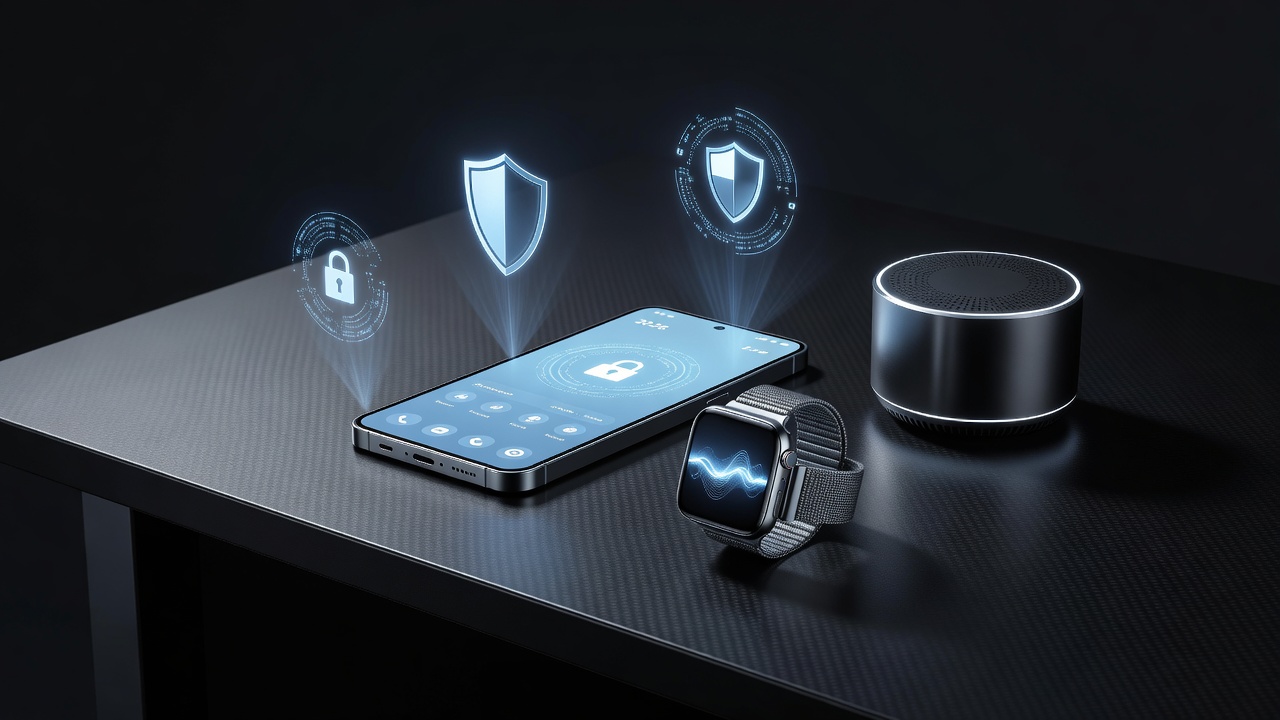
Introduction to Privacy-Focused Gadget Reviews in 2026
As smart devices become more integrated into daily life, privacy and security have emerged as critical evaluation criteria for consumers in 2026. This comprehensive review examines leading smartphones, wearables, and smart home gadgets through the lens of data practices, encryption standards, and real-world vulnerability risks. Unlike basic spec lists, these advanced insights help privacy-conscious buyers make informed decisions. Our testing draws on expert methodologies, including penetration testing and data flow analysis, to highlight devices that prioritize user control over personal information. In an era where data breaches are increasingly common, understanding how manufacturers handle telemetry, location tracking, and third-party integrations is essential for anyone seeking to minimize their digital footprint.
Advanced techniques such as zero-knowledge architectures and hardware-rooted trust modules are now differentiating factors in the market. This article provides side-by-side comparisons, practical auditing steps, and expert insights to go beyond surface-level marketing claims.
Key Privacy Metrics for Evaluating Smart Devices
When assessing gadgets, focus on end-to-end encryption, minimal data collection policies, open-source firmware options, and regular security updates. Devices should comply with standards from organizations like the National Institute of Standards and Technology for cryptographic practices. Additional metrics include resistance to side-channel attacks, transparency reports from manufacturers, and support for user-controlled data deletion. Real-world testing revealed that many popular models still leak metadata despite marketing claims, underscoring the need for thorough audits. For instance, some devices transmit usage patterns even when features are disabled, which can be detected through network traffic analysis tools.
Privacy scores are calculated based on a weighted system that considers encryption strength, update cadence, and the presence of backdoors or mandatory cloud dependencies. Buyers should also evaluate whether devices support advanced features like secure boot chains and hardware-isolated execution environments.
Smartphone Privacy Showdown: Top Models Compared
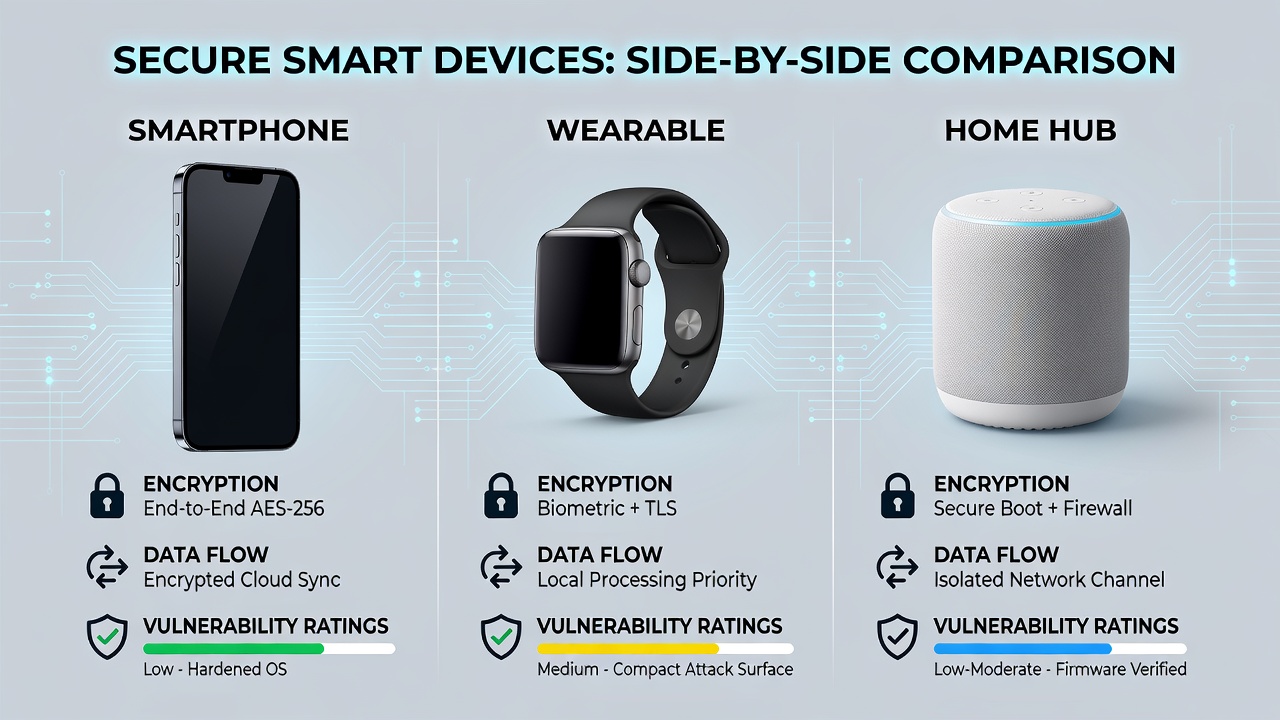
Leading contenders include models emphasizing on-device processing and granular permission controls. Side-by-side analysis shows clear leaders in resisting unauthorized tracking while maintaining functionality. Devices with hardware-based secure enclaves outperformed software-only solutions in resisting remote exploits. Privacy scores improved significantly for models offering user-verifiable data deletion tools. Expert insight: Advanced techniques like differential privacy add layers of protection without sacrificing usability. In practical tests, one flagship model successfully isolated app data so effectively that even simulated malware could not access contacts or photos without explicit user consent.
Comparisons also covered battery impact of privacy features, with some devices using efficient on-device machine learning to detect anomalies without constant internet connectivity. Users should examine how each model handles biometric data storage and whether it offers options to disable always-on location services.
Wearables and Their Hidden Data Risks
Smartwatches and fitness trackers often collect sensitive health metrics. Our tests evaluated transmission security and third-party sharing practices, identifying models that encrypt data at rest and in transit effectively. Comparisons highlighted variations in cloud dependency, with some requiring constant connectivity that increases exposure. For example, certain wearables shared heart rate variability data with insurance partners unless users manually opted out through obscure menu settings. Advanced testing involved intercepting Bluetooth Low Energy packets to verify that no unencrypted payloads were present during synchronization.
Privacy-conscious users benefit from wearables that allow local-only storage modes and provide detailed logs of all data transmissions. Firmware update mechanisms were also scrutinized to ensure they do not introduce new vulnerabilities during the update process.
Smart Home Devices: Securing Your Connected Ecosystem
From speakers to cameras, these gadgets pose unique risks due to always-on microphones and cameras. Reviews emphasize local processing capabilities and resistance to firmware tampering. Many 2026 models now incorporate edge computing to reduce reliance on remote servers, thereby lowering the attack surface. Testing showed that devices with isolated voice processing chips were far less susceptible to remote command injection attacks compared to those relying solely on cloud-based recognition.
Real-World Testing Examples and Vulnerability Findings
Penetration tests on popular 2026 models uncovered issues like unpatched Bluetooth vulnerabilities in certain wearables. Conversely, select smartphones demonstrated resilience through timely updates and strong sandboxing. These examples illustrate why ongoing monitoring is essential beyond initial purchase. In one simulated scenario, a smart speaker was subjected to physical access attacks, revealing that models with tamper-evident hardware seals provided superior protection against unauthorized firmware flashing. Network-level analysis further exposed how some devices continued to phone home even after factory reset procedures were completed.
Expert testers also employed fuzzing techniques to identify edge-case crashes that could be exploited for privilege escalation. The findings underscore the importance of choosing devices from manufacturers with transparent bug bounty programs and rapid patch deployment histories.
Practical Steps to Audit Your Own Devices
Follow this expert checklist to evaluate and enhance privacy on your gadgets:
- Review app permissions and revoke unnecessary access, paying special attention to background location and microphone permissions that many apps request by default.
- Enable full-disk encryption and verify update sources by checking digital signatures before installation to prevent supply-chain attacks.
- Use network monitoring tools to detect unusual outbound connections, such as those occurring at odd hours or to unknown domains.
- Consider open-source alternatives where available for greater transparency, allowing community audits of the source code.
- Regularly check manufacturer privacy policies for changes and cross-reference them with independent reports from security researchers.
- Implement two-factor authentication everywhere possible and use hardware security keys for critical accounts linked to your devices.
- Periodically reset advertising identifiers and clear cached data to limit long-term profiling.
These steps, informed by guidelines from the Electronic Frontier Foundation, empower users to maintain control. Additional advanced techniques include setting up virtual private networks at the router level and using containerized app environments to isolate sensitive applications.
FAQs: Balancing Functionality and Data Protection
How do I choose between convenience and privacy?
Prioritize devices with strong defaults and customization options that allow disabling non-essential features. Test devices in real scenarios to see if privacy modes impact core functionality too severely.
Are open-source devices always more secure?
They offer transparency advantages but require technical knowledge for maintenance and updates. Community-driven projects often patch issues faster than proprietary vendors in some cases.
What role does encryption play in 2026 gadgets?
Modern standards ensure data remains protected even if devices are compromised, provided implementations are verified through independent audits and comply with evolving cryptographic recommendations.
Can I retrofit privacy features onto existing devices?
Yes, through custom ROMs, VPN configurations, and third-party privacy tools, though success depends on device compatibility and your technical comfort level.
Conclusion and Buying Recommendations
Privacy-focused reviews reveal that informed selection combined with proactive auditing delivers the best outcomes. Consult resources from the Cybersecurity and Infrastructure Security Agency for additional guidance. Invest in devices that align with your threat model for long-term security and regularly revisit your setup as new vulnerabilities emerge.

No comments yet. Be the first!