 NeoBit Daily
Introduction: Emerging Tech Reshaping Retail Logistics
Retail supply chains face mounting pressure from rising consumer expectations, global disruptions, and the need for real-time visibility. In 2026, forward-thinking retailers are integrating virtual reality (VR), augmented reality (AR), blockchain, and quantum computing to drive efficiency, transparency, and resilience. These technologies move beyond pilot projects into scalable solutions that deliver measurable gains over traditional systems that often rely on siloed data and manual interventions.
VR and AR enhance warehouse visualization and training, blockchain ensures end-to-end traceability, and quantum algorithms tackle complex optimization challenges that classical computers struggle with. This article examines practical applications, real-world examples, structured adoption paths, technology synergies, and key considerations for secure scaling. Retailers who embrace these tools early gain advantages in cost control, sustainability reporting, and customer satisfaction through faster, more accurate fulfillment.
VR and AR for Warehouse Visualization and Operations
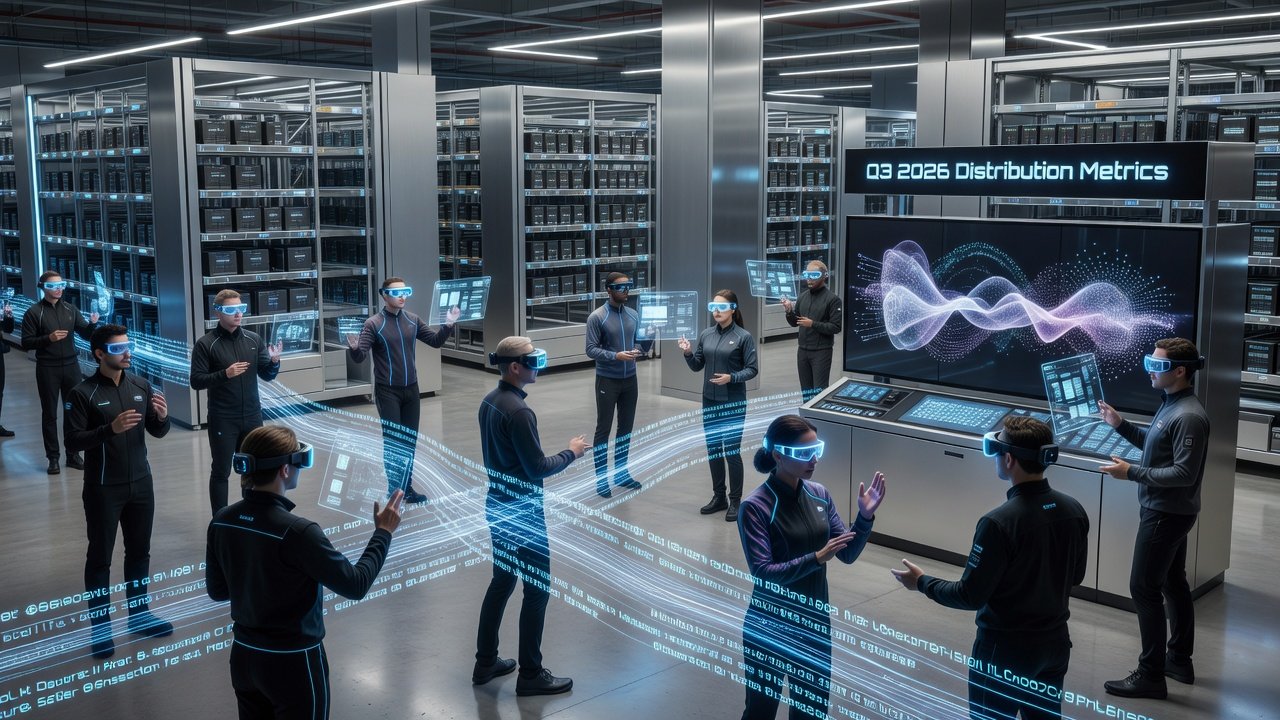
Warehouses traditionally rely on 2D layouts and manual processes prone to errors. VR creates immersive 3D simulations for layout planning and worker training, while AR overlays digital instructions onto physical environments via smart glasses. Retailers use these tools to reduce picking errors by up to 40% and accelerate onboarding of seasonal staff. Practical uses include virtual walkthroughs for redesigning fulfillment centers and AR-guided picking that highlights optimal routes and highlights low-stock bins automatically.
Integration with existing warehouse management systems allows dynamic updates based on inventory data. For example, AR headsets can display real-time stock levels pulled from IoT sensors, while VR environments let managers test new conveyor configurations without physical changes. This reduces downtime during peak seasons like holiday rushes and improves safety by simulating hazardous scenarios in advance.
Blockchain for Traceability and Transparency
Blockchain provides immutable records across multi-tier supply networks. Retailers track products from farm or factory to shelf, verifying authenticity and sustainability claims. This builds consumer trust and supports regulatory compliance in food and apparel sectors. Smart contracts automate payments and alerts when conditions like temperature thresholds are breached during transit.
Leading platforms enable permissioned networks where suppliers, logistics partners, and retailers share data securely without exposing sensitive details. In practice, a clothing retailer might use blockchain to confirm organic cotton origins, sharing verified data with customers via mobile apps. For deeper reading on distributed ledger standards, see IBM.
Quantum Computing for Optimization Algorithms
Quantum systems excel at solving combinatorial problems such as route optimization, inventory balancing, and demand forecasting across thousands of variables. Retailers test hybrid quantum-classical approaches that deliver faster results than traditional solvers for large-scale networks. Applications include dynamic rerouting during disruptions and multi-echelon inventory optimization, where quantum algorithms evaluate millions of possible configurations in seconds.
Early adopters report reduced transportation costs and improved service levels through these advanced algorithms. Learn more about quantum readiness from NIST. Hybrid models allow gradual adoption without replacing entire IT infrastructures overnight.
Real-World Retailer Case Studies
Major retailers have moved from experimentation to production. One global grocer deployed AR smart glasses across European distribution centers, cutting training time by 30% and improving accuracy while handling perishable goods more efficiently. A leading fashion brand uses blockchain to verify ethical sourcing, sharing verified data with customers via mobile apps and reducing counterfeit incidents significantly.
In North America, a major e-commerce player pilots quantum-inspired optimization for last-mile delivery, achieving notable reductions in fuel use and delivery windows compared with legacy planning tools. These cases demonstrate how combining technologies creates compounding benefits, such as blockchain-verified data feeding directly into quantum optimization models for even smarter routing decisions.
Step-by-Step Adoption Framework
- Assess current pain points through data audits and stakeholder interviews to prioritize high-impact areas like inventory accuracy or delivery delays.
- Identify pilot use cases with clear KPIs, starting with VR/AR visualization or blockchain pilots in controlled environments.
- Select technology partners and ensure interoperability with existing ERP and WMS platforms to avoid data silos.
- Run controlled pilots in one or two facilities, measuring performance against baselines over 3-6 months.
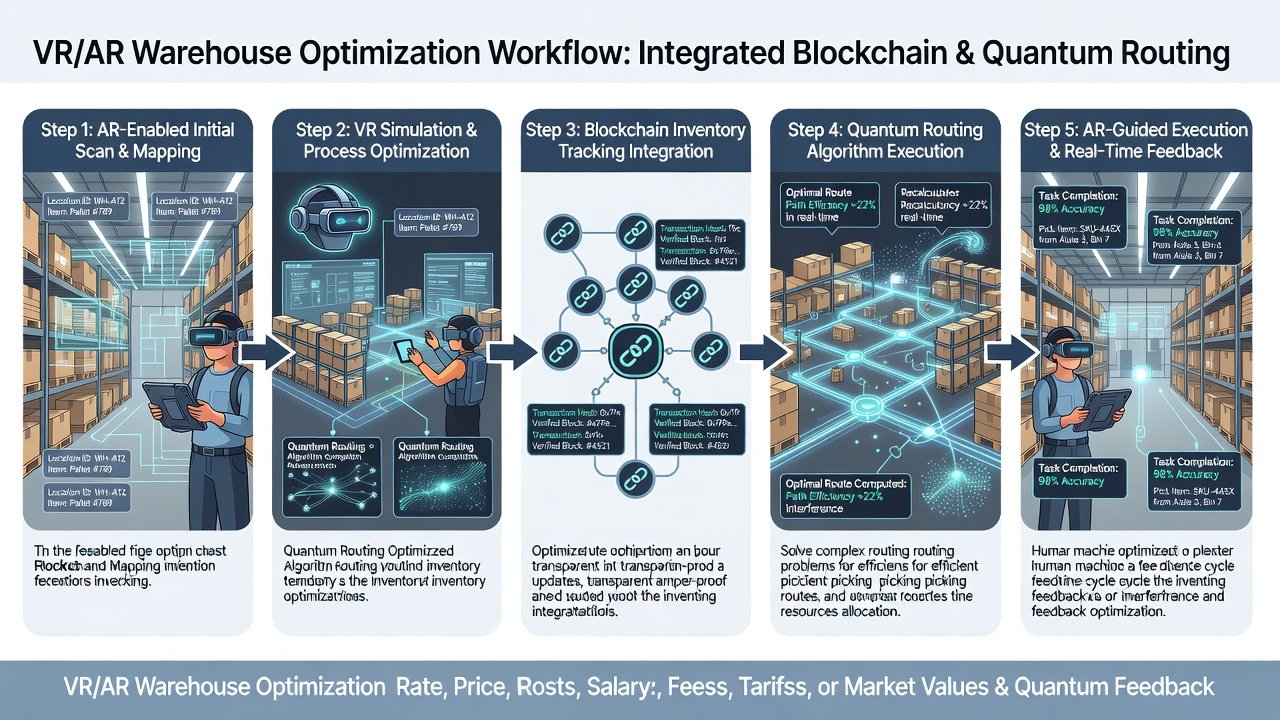
- Scale successful pilots while integrating quantum optimization modules for complex routing and forecasting needs.
- Establish governance for data privacy and cybersecurity across all layers, including regular audits and staff training programs.
This phased approach minimizes risk and builds internal expertise progressively, allowing teams to refine processes based on real metrics before full rollout.
Technology Synergies and Integration Benefits
The true power emerges when these technologies work together. AR visualizations can display blockchain-verified product histories directly in the warehouse, while quantum algorithms optimize routes using real-time traceability data. This synergy reduces waste, enhances sustainability reporting, and supports omnichannel fulfillment strategies. Retailers should map data flows early to maximize these connections and avoid fragmented implementations.
ROI Comparisons Versus Traditional Systems
Traditional supply chain software often delivers incremental improvements of 5-10%. Integrated VR/AR, blockchain, and quantum solutions show compounded benefits: 20-35% gains in operational efficiency, 15-25% reductions in shrinkage, and faster issue resolution through enhanced traceability. Payback periods typically range from 12 to 24 months when implementations focus on high-volume SKUs and critical routes. Qualitative benefits include stronger supplier relationships and improved resilience during disruptions.
Common Implementation Pitfalls
- Underestimating change management and workforce training needs, leading to low adoption rates among staff.
- Choosing isolated solutions that fail to integrate with legacy systems, creating data inconsistencies.
- Overlooking data quality issues that undermine blockchain and quantum models from the start.
- Neglecting cybersecurity from the outset, exposing new attack surfaces in connected environments.
- Scaling too quickly without validated metrics from pilot phases, resulting in costly rework.
FAQ: Scaling These Tools Securely in 2026
How can retailers ensure data security when combining these technologies?
Implement zero-trust architectures, encrypt data at rest and in transit, and conduct regular penetration testing. Use permissioned blockchain networks and quantum-resistant encryption standards where available. See guidance from Microsoft on secure cloud integrations.
What skills are required for successful adoption?
Teams need expertise in data science, cybersecurity, and domain-specific logistics knowledge. Many retailers partner with specialized vendors while upskilling internal staff through targeted VR-based training programs that simulate real scenarios.
Are these technologies accessible to mid-sized retailers?
Yes. Cloud-based quantum optimization services and modular blockchain platforms lower entry barriers. Starting with AR visualization pilots offers quick wins before expanding to more complex tools, allowing phased investment aligned with business growth.
How do these tools handle regulatory compliance?
Blockchain provides auditable trails that support regulations like GDPR and food safety standards. Retailers should map compliance requirements early in the adoption framework and involve legal teams in pilot design phases.
What future developments are expected by late 2026?
Expect wider availability of quantum-resistant cryptography and more seamless AR integrations with 5G networks, enabling even faster warehouse operations and enhanced remote collaboration across global supply networks.
Conclusion
Retail supply chains that strategically combine VR/AR, blockchain, and quantum computing position themselves for competitive advantage in 2026. By following structured adoption frameworks, learning from early case studies, and addressing pitfalls proactively, retailers can achieve substantial efficiency and transparency gains. The key lies in starting small, measuring rigorously, and scaling with security at the core for long-term success.
No comments yet. Be the first!