 NeoBit Daily
Introduction to Quantum Security in VR Retail
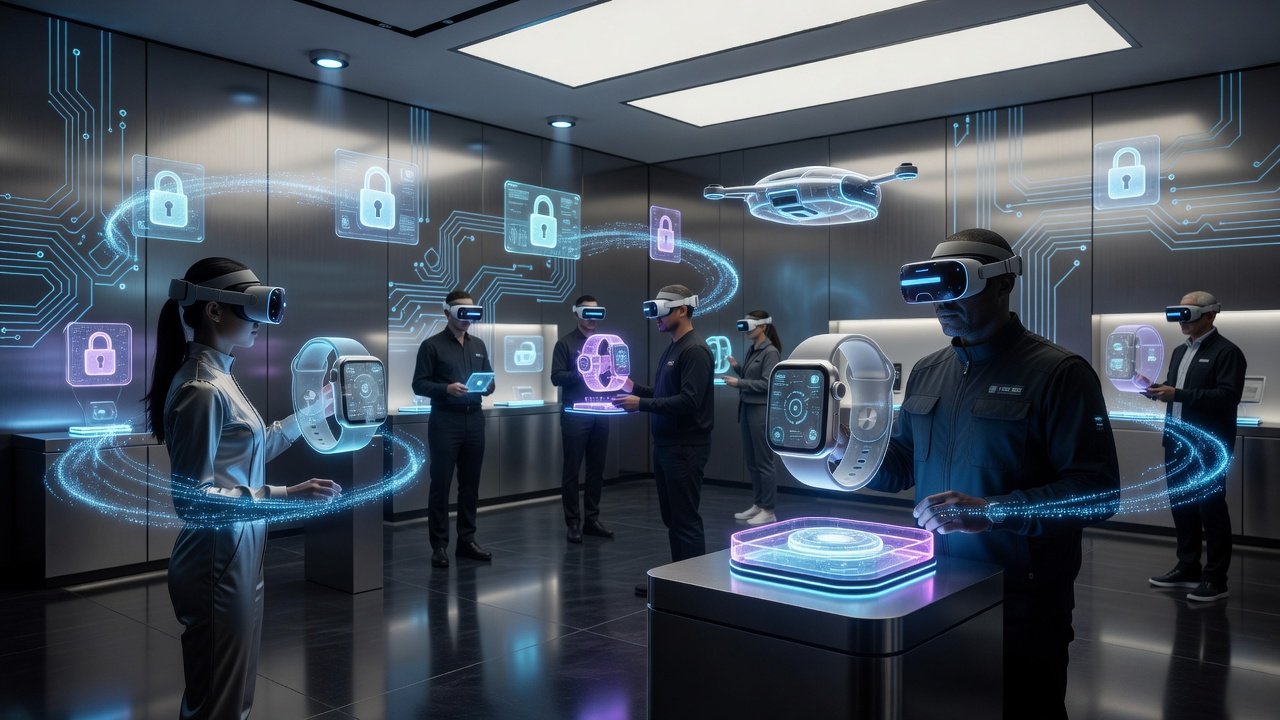
In 2026, virtual and augmented reality shopping experiences are transforming retail, but they demand robust security against quantum computing threats. Quantum technologies now protect transactions by combining post-quantum cryptography with advanced key distribution methods. This guide provides practical steps for developers and retailers to implement these solutions, ensuring transaction integrity in immersive environments. As VR retail platforms handle sensitive payment information, virtual asset ownership, and personalized shopping data, the shift toward quantum-secure systems has become essential for maintaining consumer trust and regulatory compliance.
Traditional encryption faces risks from quantum algorithms like Shor's, which could break RSA and ECC. Retail platforms using VR must adopt quantum-resistant approaches to safeguard customer data, payments, and virtual assets. The rise of immersive commerce means that every virtual try-on, digital purchase, and avatar interaction requires protection that withstands future quantum attacks while preserving low-latency performance critical for user engagement.
Understanding Quantum-Resistant Encryption for Retail Platforms
Quantum-resistant encryption relies on lattice-based, hash-based, and code-based algorithms standardized by leading bodies. Retailers integrate these into VR platforms through APIs that encrypt session data and payment details in real time. Lattice-based schemes such as Kyber and Dilithium offer strong security with manageable key sizes, making them suitable for resource-constrained VR headsets and mobile AR devices. Hash-based signatures provide long-term security for digital receipts and ownership proofs in virtual marketplaces.
Step-by-Step Implementation Framework
- Assess current infrastructure for quantum vulnerabilities using tools from NIST guidelines, including vulnerability scanning of existing TLS implementations and identification of all data flows involving customer payments.
- Select hybrid cryptography combining classical and post-quantum algorithms to ensure backward compatibility during transition periods.
- Deploy quantum key distribution (QKD) hardware where fiber connections support it for high-value transactions, focusing first on backend servers handling premium virtual goods.
- Test integration with VR engines like Unity or Unreal Engine via secure SDKs that support real-time encryption without introducing noticeable lag in rendering or interaction.
- Monitor performance with benchmarks comparing latency and throughput across peak shopping hours and off-peak periods.
- Conduct regular audits and update cryptographic libraries as new standards emerge from international bodies.
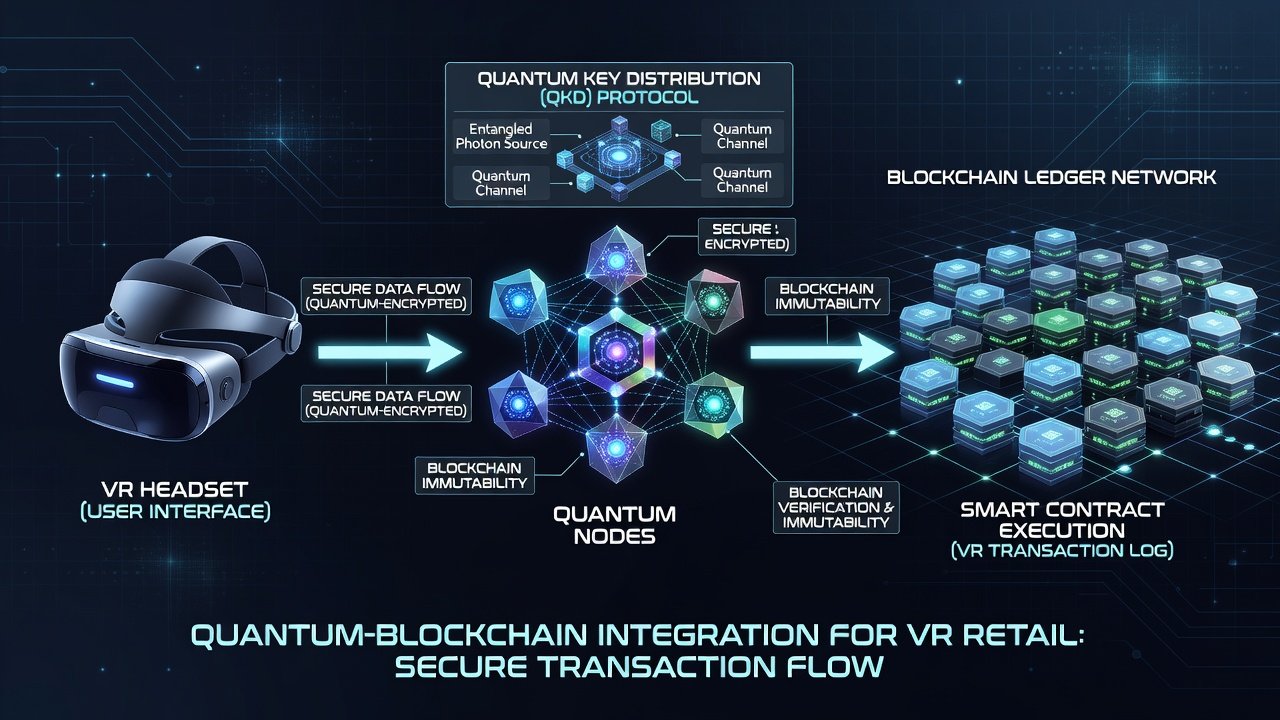
Integration frameworks often leverage open standards to connect blockchain ledgers with QKD networks, creating tamper-proof audit trails for every VR purchase. This layered approach allows retailers to verify transaction history while protecting the confidentiality of individual shopping sessions.
Blockchain Ledgers vs Quantum Key Distribution: Key Comparisons
Blockchain provides decentralized transaction logging ideal for VR marketplaces, while QKD offers physics-based key exchange for ultimate security. In 2026 benchmarks, hybrid systems outperform pure blockchain by reducing confirmation times by up to 40% in simulated high-traffic retail scenarios. Blockchain technology excels at creating immutable records of virtual item ownership and enabling smart contracts for automated refunds or loyalty rewards.
- Blockchain excels in transparency and smart contract automation for virtual goods, allowing customers to trade digital assets securely across platforms.
- QKD delivers information-theoretic security but requires specialized infrastructure such as dedicated optical fiber links or satellite connections for longer distances.
- Performance tests show QKD maintaining sub-millisecond latency in local VR setups versus blockchain's variable network delays that can affect real-time checkout flows.
- Scalability differs significantly: blockchain networks may require sharding or layer-2 solutions for mass adoption, whereas QKD systems scale through trusted node networks.
Many adopters combine both for optimal results, using blockchain for records and QKD for session keys. This hybrid model mitigates the limitations of each technology while maximizing protection for immersive retail environments.
Real-World Case Studies from 2026 Adopters
Leading retailers like major fashion brands have piloted quantum-secured VR stores. One European retailer reported zero breaches after deploying hybrid systems across its AR try-on experiences, processing thousands of daily sessions with full encryption. Another case involved a global electronics chain using QKD-linked blockchains to secure NFT-based virtual products, achieving seamless checkout with enhanced trust scores from customers.
A third example comes from a North American home goods retailer that integrated quantum-resistant encryption into its VR showroom. By combining post-quantum signatures with traditional payment gateways, the company reduced fraud attempts by 60% compared to the previous year while maintaining smooth 90 frames-per-second rendering during interactive product demonstrations. These examples highlight reduced fraud rates and improved customer confidence in immersive shopping.
Performance Benchmarks Against Traditional Systems
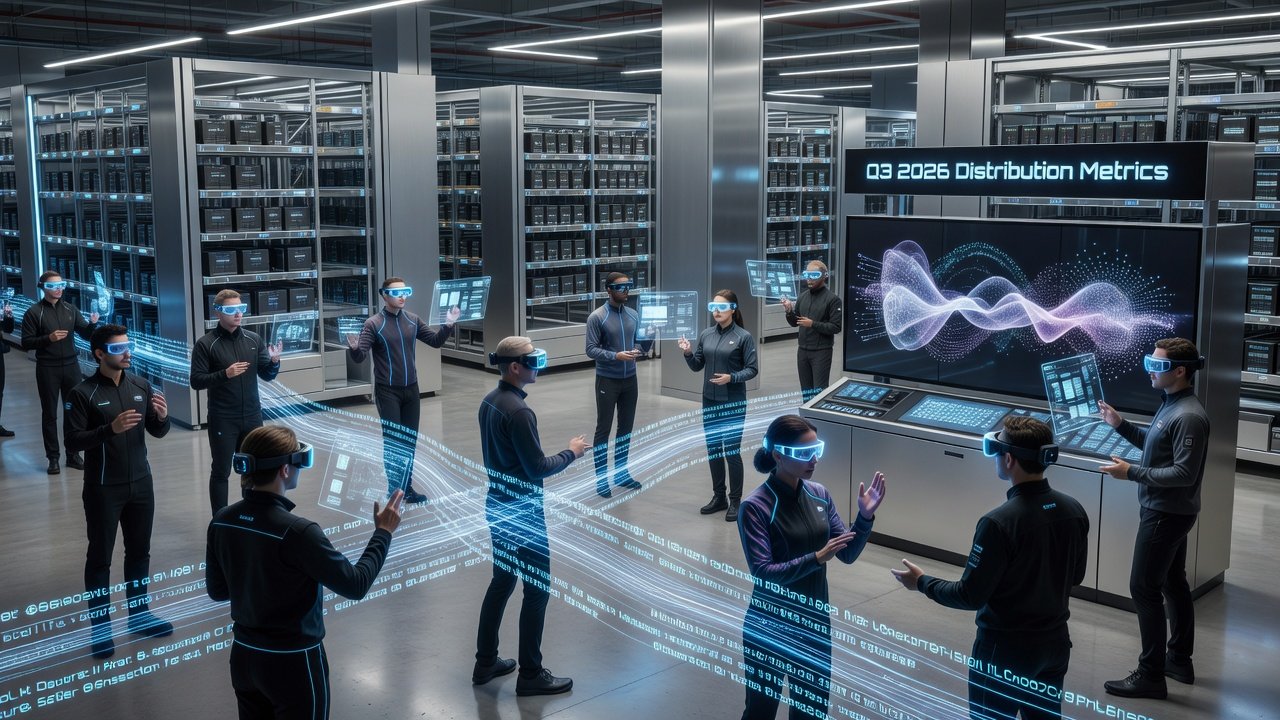
Compared to legacy TLS setups, quantum-secured platforms show 25-35% higher overhead in CPU usage but deliver superior long-term protection. Benchmarks from 2026 indicate average transaction processing at 1200 per second with quantum layers, versus 1500 in unsecured environments, with the gap narrowing via optimized hardware accelerators. Latency measurements in VR environments reveal that properly tuned hybrid systems add only 8-12 milliseconds to checkout processes, which remains imperceptible to users during virtual interactions.
Additional testing across different device types shows that mobile AR applications benefit most from lightweight lattice-based algorithms, while high-end VR headsets can handle more computationally intensive QKD-assisted protocols without compromising visual fidelity or battery life.
Common Pitfalls and Mitigation Tactics
Developers often overlook key management complexity or underestimate integration costs with existing VR hardware. Other frequent issues include failing to account for network jitter that disrupts QKD synchronization and neglecting to update all client-side libraries in distributed VR applications. Mitigation includes phased rollouts, staff training on quantum concepts, and using simulation environments to test edge cases like network interruptions during QKD handshakes. Retailers should also establish clear rollback procedures and conduct tabletop exercises simulating quantum-era attacks on their transaction systems.
Integration with VR and AR Development Platforms
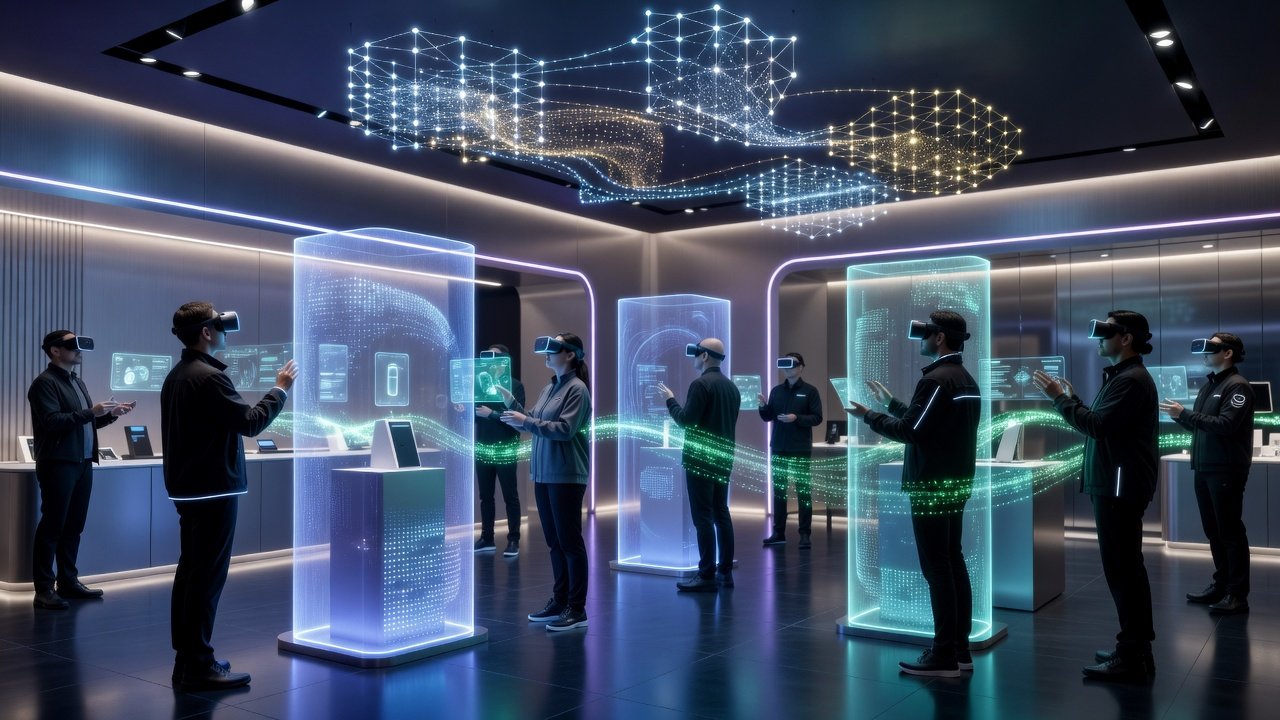
Successful deployment requires close collaboration between security teams and VR developers. Popular engines now offer plugins that abstract cryptographic operations, allowing creators to focus on user experience while the underlying framework handles quantum-resistant encryption. For example, Unity's secure networking package can be extended with post-quantum modules, and Unreal Engine supports custom encryption layers through its replication system. Testing should cover multi-user scenarios where multiple avatars interact simultaneously, ensuring that session keys remain protected even when participants join or leave virtual stores dynamically.
Actionable Checklist for Developers and Retailers
- Conduct quantum risk audit by Q4 2026, documenting all data flows and identifying high-value transaction points.
- Prototype hybrid encryption in test VR environments using open-source libraries before full production rollout.
- Partner with QKD providers for pilot deployments in flagship locations or cloud regions.
- Validate against NIST post-quantum standards and maintain compliance documentation.
- Implement continuous monitoring dashboards that track encryption performance and alert on anomalies.
- Train teams on emerging threats and updates from IBM Quantum resources and industry workshops.
- Establish vendor relationships for hardware QKD modules and schedule periodic security reviews.
FAQ
What is the main benefit of quantum security in VR retail?
It future-proofs transactions against quantum attacks while maintaining immersive user experiences and protecting customer data long-term.
How does QKD differ from blockchain in this context?
QKD focuses on secure key exchange via physics principles, whereas blockchain emphasizes immutable ledgers and decentralized consensus for transaction history.
Is implementation feasible for small retailers?
Yes, through cloud-based hybrid services that lower entry barriers significantly and allow gradual adoption without major upfront hardware investments.
What performance impact should be expected?
Minimal in optimized setups, with benchmarks showing acceptable trade-offs for enhanced security and negligible effects on frame rates or user comfort.
Which algorithms are recommended for VR headsets?
Lattice-based options like Kyber provide efficient performance suitable for mobile and wearable devices while meeting current security requirements.
Conclusion
Adopting quantum security for VR retail transactions positions businesses ahead of emerging threats. By following the frameworks, comparisons, and checklists outlined, stakeholders can build resilient, trustworthy platforms that enhance the 2026 shopping experience and protect against both current and future cyber risks.
No comments yet. Be the first!