 NeoBit Daily
Introduction to Quantum-Secure Retail in 2026
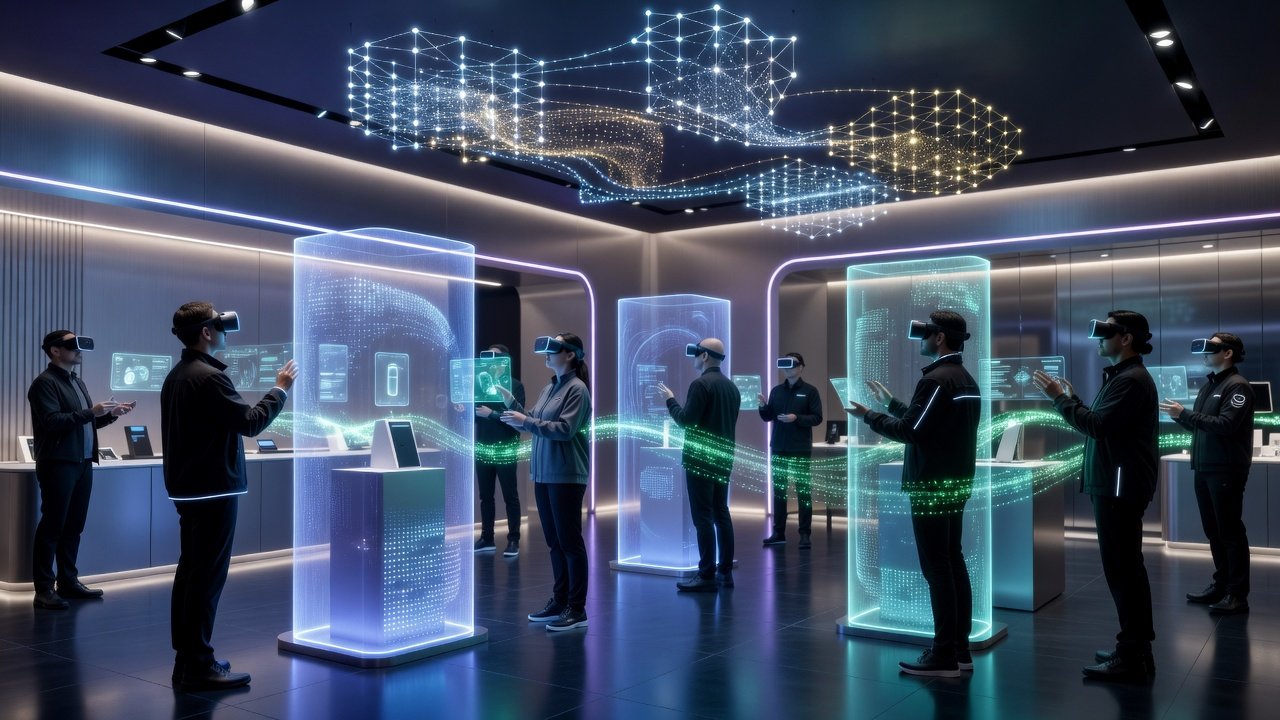
As retail evolves with immersive technologies, protecting customer data in VR and AR environments becomes critical. Quantum computing threats demand proactive strategies combining quantum-resistant encryption, blockchain-secured transactions, and robust protections for virtual try-ons. This guide explores actionable frameworks for retailers seeking to build trust while adopting these innovations. In 2026, consumers expect seamless virtual shopping journeys, yet rising quantum capabilities from major tech labs threaten traditional security perimeters. Retailers that invest now in post-quantum measures can differentiate themselves through superior data protection and enhanced customer confidence.
Understanding Quantum Threats to Retail Technologies
Traditional encryption methods like RSA face risks from quantum algorithms such as Shor's. In retail, this impacts VR shopping sessions and AR overlays where personal data flows continuously. Retailers must transition early to post-quantum cryptography to safeguard immersive experiences. Quantum computers can potentially break current asymmetric encryption within hours once sufficiently powerful machines emerge, exposing payment details, biometric scans from virtual fittings, and loyalty program data. Real-world pilots show that early adopters in fashion and electronics retail are already mapping these risks to maintain compliance with evolving data regulations.
Quantum-Resistant Encryption Techniques
Key methods include lattice-based cryptography and hash-based signatures. These resist quantum attacks while maintaining performance in real-time VR environments. For example, integrating NIST-approved algorithms ensures compatibility with existing systems. Implementation starts with auditing current encryption layers, followed by hybrid models blending classical and quantum-safe protocols. Lattice-based approaches like Kyber offer efficient key exchange suitable for bandwidth-heavy AR sessions, while Dilithium provides strong digital signatures for transaction verification. Retailers should evaluate performance overhead through controlled tests, ensuring latency remains under acceptable thresholds for immersive experiences. NIST guidelines provide detailed migration roadmaps that help organizations prioritize high-risk assets first.
Secure Transaction Ledgers Powered by Blockchain
Blockchain provides immutable records for purchases made in virtual spaces. Retailers can use permissioned ledgers to verify transactions without exposing sensitive details. This approach prevents tampering in AR product customizations. Smart contracts automate refunds and loyalty rewards while maintaining audit trails that customers can independently verify. Integration with quantum-resistant signatures further hardens these ledgers against future attacks. Several global retailers have begun testing private blockchain networks for cross-border virtual sales, demonstrating reduced fraud rates and faster dispute resolution.
CISA resources highlight best practices for combining blockchain with emerging retail platforms to meet 2026 security benchmarks.
Immersive Try-On Protections in VR and AR
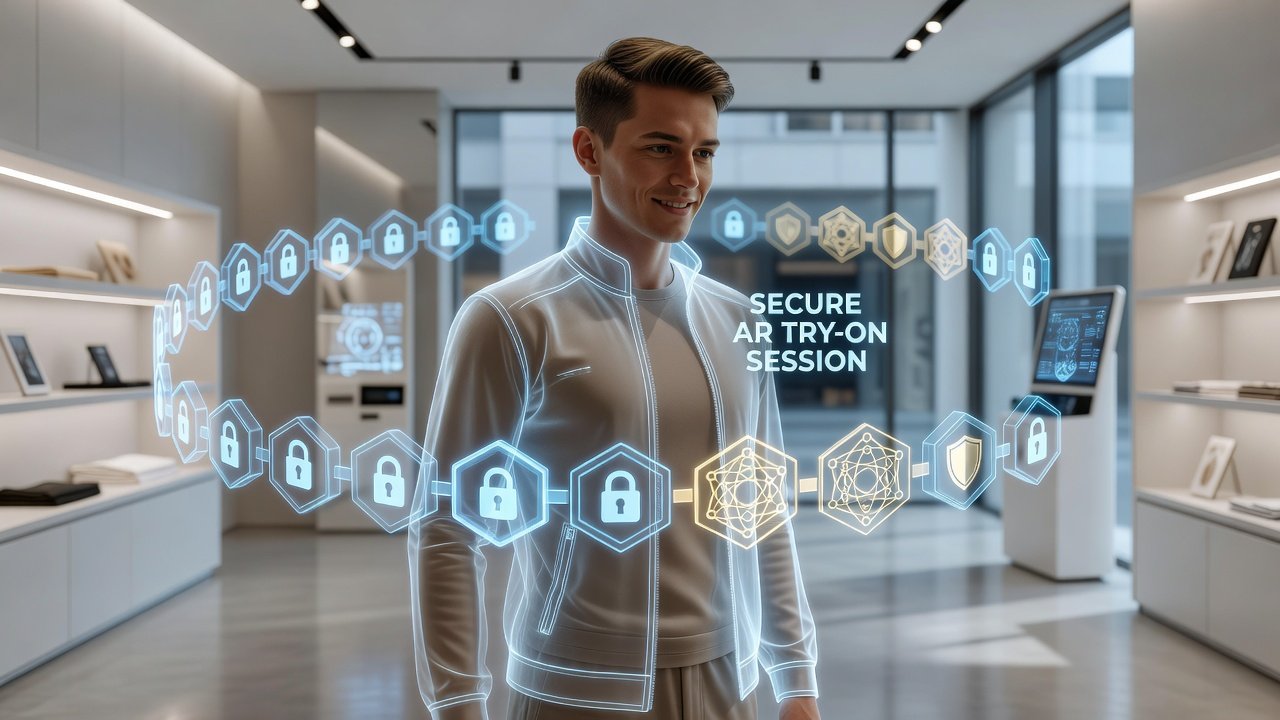
Virtual fitting rooms collect biometric data, creating new vulnerabilities. Protections involve end-to-end encryption and zero-knowledge proofs to validate fits without storing raw images. Real-world examples include major brands piloting quantum-secured AR apps to prevent data leaks during try-on sessions. Additional layers such as behavioral analytics detect anomalous access patterns during live VR interactions, triggering immediate session isolation. Retailers in beauty and apparel sectors report higher conversion rates when customers perceive their virtual experiences as highly secure.
Step-by-Step Implementation Framework
- Assess current infrastructure for quantum vulnerabilities through comprehensive scanning tools and third-party audits.
- Select post-quantum algorithms aligned with retail use cases, prioritizing those standardized by international bodies.
- Deploy blockchain pilots for transaction security in limited product categories before full rollout.
- Integrate AR/VR protections with user consent flows that clearly explain data handling in simple language.
- Test for performance across multiple device types and conduct regular audits to identify emerging threats.
- Train staff on new protocols and establish incident response procedures specific to immersive environments.
- Monitor regulatory updates and adjust policies accordingly to maintain compliance across regions.
Traditional vs Emerging Security Methods Comparison
- Traditional: RSA encryption – vulnerable to quantum factoring; fast but outdated for 2026 threats.
- Emerging: Lattice-based crypto – quantum-resistant; slightly higher computational cost but scalable with optimizations.
- Traditional: Centralized databases – prone to single-point breaches and difficult to scale for global VR traffic.
- Emerging: Blockchain ledgers – decentralized and tamper-proof with built-in transparency features.
- Traditional: Basic TLS for AR sessions – adequate today yet insufficient against future quantum decryption.
- Emerging: Hybrid post-quantum TLS – maintains backward compatibility while adding quantum defense layers.
Optimization Tips for Building Customer Trust
Communicate security measures transparently through in-app notifications and educational content. Offer opt-in quantum-secure modes and partner with cybersecurity firms for certifications. Monitor user feedback to refine immersive protections continuously. Additional strategies include displaying security badges during checkout, providing downloadable audit reports on request, and running periodic trust surveys to measure sentiment shifts. Retailers that publish annual security transparency reports often see measurable gains in repeat purchase rates.
Frequently Asked Questions
What are the main barriers to adopting quantum-secure tech in retail?
High initial integration costs and skill gaps represent key hurdles, but phased rollouts mitigate these effectively. Many organizations overcome resistance by starting with non-customer-facing systems before expanding to VR interfaces.
How can retailers calculate ROI for these strategies?
Factor in reduced breach risks, increased customer retention from enhanced trust, and competitive differentiation in 2026 markets. Qualitative benefits such as brand reputation protection often outweigh direct cost savings over multi-year horizons.
Which retail sectors benefit most from VR/AR blockchain security?
Fashion, electronics, and home goods see the strongest impact because of high-value virtual try-ons and customization features that handle sensitive visual and payment data.
Are there open standards retailers should follow?
Yes, following NIST post-quantum cryptography standards and emerging ETSI guidelines ensures interoperability and future-proofs investments.
Conclusion
Quantum-secure strategies position retailers ahead in the VR/AR era. By combining proven frameworks with blockchain and encryption advances, businesses can deliver safe, engaging experiences that customers value. Continuous evaluation and adaptation remain essential as quantum technology matures throughout 2026 and beyond.

No comments yet. Be the first!