 NeoBit Daily

Introduction: Why Retailers Must Act Now on Converging Technologies
In 2026, forward-thinking retailers are moving beyond isolated pilots to integrate VR, AR, blockchain and quantum computing into unified systems. This convergence delivers immersive shopping, tamper-proof supply chains and ultra-fast optimization. Early adopters report measurable gains in customer engagement and operational efficiency compared with legacy systems. The retail landscape is shifting rapidly as consumer expectations rise for seamless digital experiences that blend physical and virtual worlds while ensuring data security and supply chain integrity remain paramount.
The 2026 Technology Convergence Explained
VR and AR create virtual showrooms and try-on experiences that allow customers to interact with products in three dimensions from anywhere. Blockchain provides immutable transaction ledgers and provenance tracking that builds trust through transparency. Quantum algorithms accelerate complex simulations such as inventory optimization and personalized recommendations at speeds impossible for classical computers. Together they form a secure, scalable retail stack that addresses both front-end customer journeys and back-end operational challenges. Retailers exploring this integration often start by mapping how each technology complements the others rather than treating them as standalone tools.
Step-by-Step Adoption Framework
- Audit current infrastructure and identify high-impact use cases such as virtual try-on or supply-chain visibility by reviewing existing CRM, ERP and e-commerce platforms for integration points.
- Build a cross-functional team including data scientists, blockchain developers and retail operations staff while establishing clear governance roles to manage technology overlaps.
- Select interoperable platforms that support VR/AR rendering alongside quantum-safe cryptography and test them against your specific product catalog size and customer volume.
- Run controlled pilots measuring conversion rates, return rates and transaction throughput over a minimum 90-day period with defined success metrics tied to revenue and cost savings.
- Scale successful pilots while embedding continuous monitoring for security and performance using dashboards that track both customer satisfaction and system uptime.
Each step should include stakeholder buy-in sessions and risk assessments to prevent scope creep during rollout.
ROI Comparisons with Traditional Systems
Traditional e-commerce platforms typically achieve 2-4% conversion rates with high return volumes on apparel and electronics. Early quantum-enhanced AR try-on implementations show 12-18% lifts in the same metric by reducing buyer uncertainty. Blockchain-based provenance reduces counterfeit returns by up to 40% according to industry benchmarks. Quantum algorithms cut inventory forecasting errors by 30-50% versus classical machine-learning models, freeing capital previously tied in overstock. Retailers comparing these outcomes often conduct side-by-side A/B tests during the pilot phase to quantify differences in customer lifetime value and operational costs.
Real-World Case Studies from Early Adopters
A major European fashion retailer deployed AR try-on powered by quantum optimization and recorded a 22% increase in online sales within six months while cutting return rates by 15%. A global grocery chain used blockchain ledgers for produce tracking, cutting traceability time from days to seconds while improving consumer trust scores by 25 points in post-purchase surveys. Another example comes from a luxury watch brand that combined VR showrooms with blockchain authenticity certificates, resulting in a 30% rise in high-value online conversions during the first quarter of implementation. These cases highlight the importance of starting with customer pain points rather than technology hype.
Secure Transaction Ledgers with Blockchain
Retailers implement permissioned blockchain networks to record every sale, return and loyalty point in a tamper-evident manner. Smart contracts automate refunds and enforce supplier agreements without intermediaries, reducing administrative overhead. Integration with existing ERP systems occurs through standardized APIs that maintain data consistency across channels. Hyperledger frameworks provide open-source tools that many retailers adapt for private networks focused on supply chain events and customer transactions.
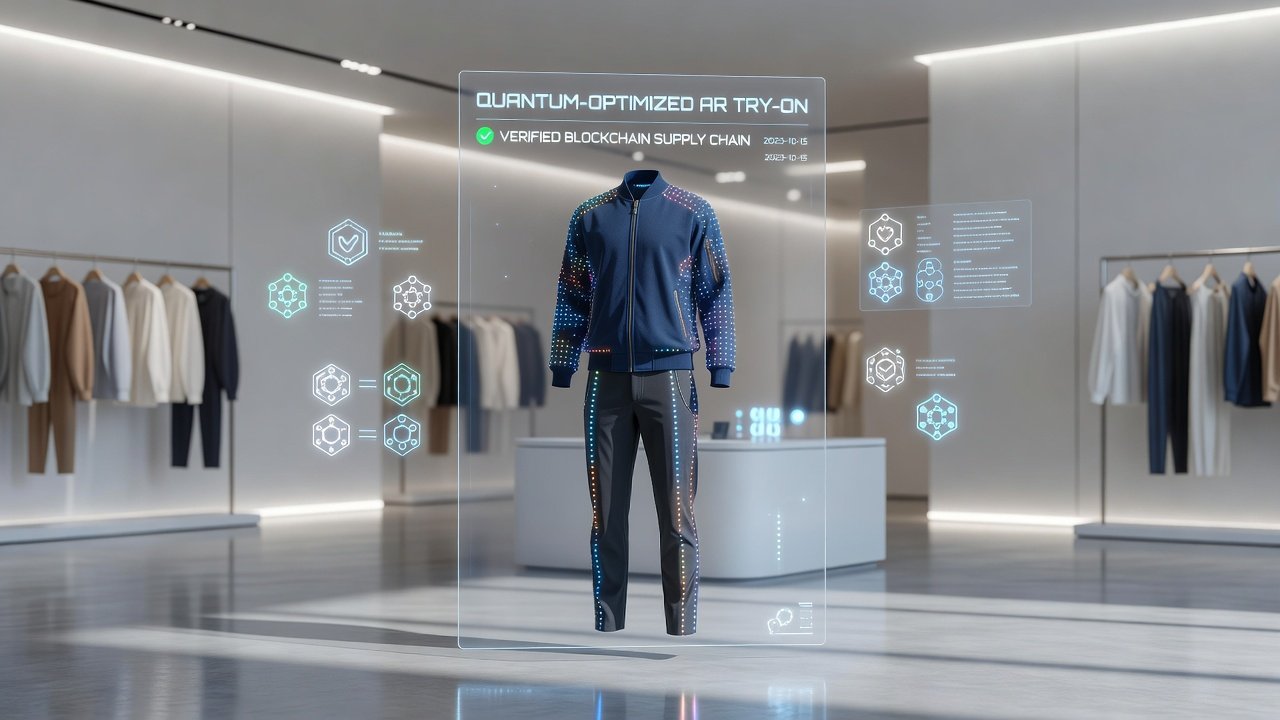
Immersive Try-On Optimizations via Quantum Algorithms
Quantum variational algorithms process millions of fabric drape simulations in seconds, delivering photorealistic AR overlays that account for body movement, lighting conditions and even fabric wear over time. Customers experience virtual fitting rooms that feel more accurate than in-store mirrors, leading to higher confidence in purchases. Retailers report 35% fewer returns on apparel purchased through quantum-optimized virtual fitting rooms. Implementation typically begins with cloud-based quantum services that integrate directly with existing AR development kits.
Supply Chain Transparency Powered by Blockchain and Quantum
End-to-end visibility combines IoT sensors, blockchain records and quantum route optimization to predict disruptions and reroute shipments in real time. This approach reduces stockouts by double-digit percentages and improves supplier accountability through verifiable audit trails. Retailers can share selected ledger data with consumers via QR codes on packaging, enhancing brand loyalty. IBM solutions have been referenced in multiple retail pilots for combining these elements at enterprise scale.
Common Pitfalls and Mitigation Tactics
- Underestimating integration complexity – mitigate with phased rollouts, detailed vendor partnerships and weekly cross-team syncs to surface issues early.
- Neglecting quantum-safe security upgrades – audit cryptography now and adopt post-quantum standards early by consulting resources such as those from NIST on migration timelines.
- Overlooking staff upskilling – invest in targeted training programs on VR/AR content creation, blockchain governance and basic quantum concepts delivered through short certification modules.
- Ignoring data privacy regulations – embed consent management directly into smart contracts and conduct regular compliance reviews with legal teams.
- Failing to define clear KPIs upfront – establish dashboards that track both technical performance and business outcomes like average order value and repeat purchase rates.
Building an Implementation Checklist
Before launching any pilot, retailers should verify data quality across systems, confirm vendor SLAs include quantum-safe encryption roadmaps, allocate budget for ongoing content creation in VR/AR environments, and schedule quarterly reviews with executive sponsors. A printable checklist covering these items helps maintain momentum across departments.
Measuring Success Metrics
Key performance indicators include conversion rate improvements, reduction in return percentages, time saved in supply chain queries, customer satisfaction scores from post-experience surveys and system latency during peak shopping periods. Regular benchmarking against traditional systems provides ongoing justification for continued investment.
FAQ: Cost, Skills and Timelines
What is the typical timeline for a full deployment?
Most retailers complete pilot-to-scale cycles in 12-18 months when starting with modular solutions that allow incremental feature releases.
Which skills are most critical?
Quantum-aware data scientists, blockchain architects and 3D content creators rank highest on hiring priority lists, often supplemented by external consultants during the first year.
How do organizations manage ongoing costs?
Cloud-based quantum services and managed blockchain platforms shift expenses from capital to operational models, allowing predictable budgeting aligned with usage patterns.
What training resources are recommended for existing teams?
Short online modules covering AR development fundamentals and blockchain basics help bridge knowledge gaps without requiring full-time specialists immediately.
Conclusion: Building Your 2026 Retail Advantage
Retailers that systematically combine VR, AR, blockchain and quantum computing gain lasting competitive edges in customer experience and operational resilience. Begin with a focused audit, follow the adoption framework, and measure results at every stage to ensure sustainable growth in an increasingly competitive market.

No comments yet. Be the first!