 NeoBit Daily

Introduction to Quantum Threats in Immersive Technologies
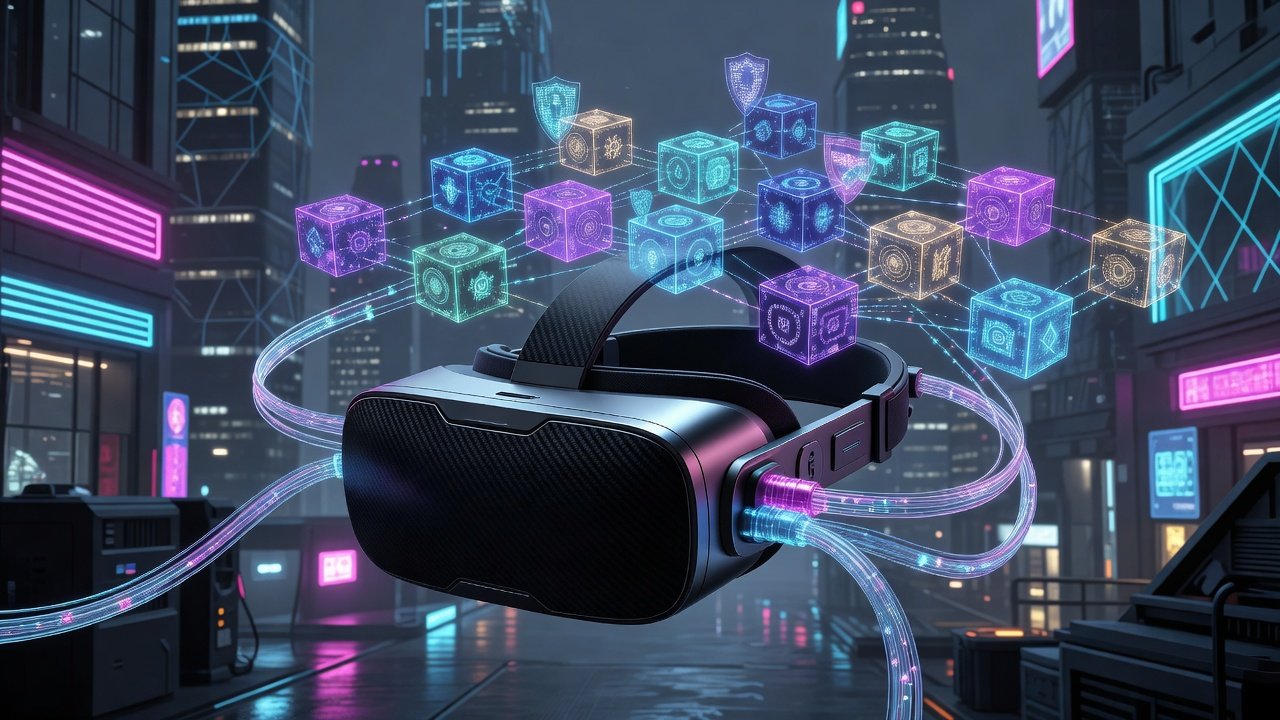
Virtual and augmented reality platforms are rapidly incorporating blockchain for decentralized applications, creating new attack surfaces vulnerable to quantum computing advances. As of late 2026, developers must prioritize quantum-resistant strategies to protect user data, digital assets, and immersive experiences. This guide provides actionable tactics for integrating post-quantum cryptography (PQC) into VR/AR projects while maintaining performance and security in dApp workflows. Quantum computing poses an existential risk to traditional encryption, with experts projecting that large-scale quantum machines could break RSA-2048 within the next decade. Immersive environments amplify these risks because they handle continuous data streams including spatial tracking, eye movement biometrics, and real-time blockchain transactions for virtual economies.
Threat Modeling for VR and AR Environments
Effective defense begins with comprehensive threat modeling tailored to immersive setups. Quantum computers threaten current public-key systems like RSA and ECC through algorithms such as Shor's, potentially exposing blockchain private keys and session data in real time. Key risks include man-in-the-middle attacks on AR overlays, quantum decryption of stored VR session logs, and side-channel exploits in headset firmware. Map assets like user biometrics, NFT-based virtual goods, and multiplayer synchronization data. Consider attack vectors unique to spatial computing, such as quantum-assisted reconstruction of 3D environments from intercepted encrypted sensor feeds. Use frameworks from NIST to quantify quantum readiness levels for each component. Conduct workshops with cross-functional teams including security engineers, blockchain specialists, and UX designers to identify high-value targets. Document assumptions about quantum timeline threats and update models quarterly as hardware progresses.
Comparing Quantum-Resistant Algorithms
Developers should evaluate leading PQC candidates standardized by NIST. Lattice-based schemes like Kyber and Dilithium offer strong security with moderate overhead. Hash-based signatures such as SPHINCS+ provide conservative security but larger signatures. Code-based options like Classic McEliece excel in key exchange but require more bandwidth. In VR/AR contexts, compare latency impacts: Kyber-768 typically adds under 5% overhead in Unity-based environments compared to ECC, while maintaining forward secrecy for blockchain transactions. Dilithium provides efficient signature verification suitable for high-frequency AR interactions. When selecting algorithms, factor in key sizes, signature lengths, and resistance to side-channel attacks. Lattice-based methods generally outperform others in embedded devices common to headsets, but hybrid approaches combining two PQC families deliver defense-in-depth. Benchmark each option against your specific rendering pipeline and network conditions to ensure frame rates remain above 90 FPS.
Step-by-Step PQC Integration in VR/AR Projects
Follow these practical steps for migration. First, audit existing cryptographic libraries in your engine (Unity or Unreal). Replace TLS handshakes with hybrid classical-PQC modes using libraries like liboqs. For blockchain layers, integrate PQC key generation in smart contract interactions via Web3.js extensions. Begin by inventorying all encryption calls, then prioritize those protecting persistent data such as user inventories. Implement gradual rollouts starting with non-critical sessions before moving to financial transactions.

Example code snippet for a hybrid key exchange in a Unity C# script:
using Org.BouncyCastle.Pqc.Crypto.Kyber;// Hybrid Kyber + X25519 implementation for AR session keysvar kyberParams = new KyberParameters(KyberParameters.Kyber768);var keyPair = KyberKeyPairGenerator.GenerateKeyPair(kyberParams);// Encapsulate and combine with classical key for blockchain auth
Next, update wallet integrations for dApps to support Dilithium signatures. Validate performance on target devices like Quest headsets by running A/B tests measuring frame time and battery impact. Integrate error handling for larger PQC payloads in network code to prevent packet fragmentation issues.
Building Secure dApp Workflows
Secure decentralized workflows require end-to-end PQC protection. Encrypt AR asset transfers with PQC-secured channels and use zero-knowledge proofs enhanced for quantum resistance. Implement multi-factor authentication combining biometric data with PQC challenges. Monitor for quantum oracle risks in oracle-fed VR environments by adopting hybrid consensus mechanisms. In practice, wrap existing Web3 calls with PQC layers using middleware that transparently upgrades signatures. For multiplayer VR, establish session keys via Kyber encapsulation before exchanging positional data on-chain. This approach prevents replay attacks even if classical components are later compromised. Test workflows under simulated high-latency conditions to verify that PQC overhead does not degrade user experience in fast-paced scenarios.
Encryption Upgrade Checklist
- Audit all cryptographic primitives and replace vulnerable ones across client, server, and smart contract layers.
- Implement hybrid encryption (classical + PQC) for backward compatibility during transition.
- Test key sizes and signature lengths against latency budgets on multiple headset models.
- Update smart contract ABIs to support new signature schemes and redeploy on testnets first.
- Conduct penetration testing with simulated quantum attacks using available open-source tools.
- Document migration timelines and rollback procedures with version control integration.
- Train development teams on PQC parameter selection and common misconfigurations.
- Establish monitoring dashboards to track signature verification times in production.
Real-World Case Studies from Emerging Deployments
Early adopters in the metaverse space have demonstrated success. One enterprise AR training platform migrated to Kyber-based encryption in Q3 2026, reducing potential quantum exposure while preserving 60 FPS rendering across 10,000 concurrent users. Another blockchain VR social app integrated Dilithium for avatar ownership proofs, cutting signature verification time by 30% after targeted optimization of the verification module. A third project involving collaborative design in AR used SPHINCS+ for long-term archival of design files stored on decentralized storage, ensuring quantum-safe persistence. These examples highlight the importance of iterative testing across device ecosystems and the value of starting with non-user-facing components before full rollout.
Common Integration Pitfalls and How to Avoid Them
Avoid over-reliance on untested PQC implementations that inflate memory usage in headsets. Prevent mismatches between PQC parameters and blockchain gas limits by profiling transaction costs early in development. Steer clear of neglecting firmware updates on AR glasses, which can leave side channels open to sophisticated quantum-assisted attacks. Always prioritize hybrid approaches during transition periods to maintain interoperability with legacy systems. Additional pitfalls include ignoring certificate management complexity introduced by larger PQC keys and failing to account for increased storage needs in local VR caches. Mitigate these by building automated testing pipelines that simulate quantum threat models at each sprint.
Performance Optimization Techniques
To minimize impact, precompute PQC key pairs during idle periods and cache hybrid session keys aggressively. Use hardware acceleration where available on modern mobile chipsets. Profile memory allocations carefully because some PQC libraries allocate larger buffers than classical counterparts. In Unreal Engine projects, leverage parallel job systems to offload signature operations from the main render thread.
FAQs on Migration Timelines and Performance
What is the recommended migration timeline?
Begin audits immediately and target full PQC deployment by mid-2027 for high-risk assets, aligning with evolving NIST guidelines and industry best practices.
How does PQC affect VR/AR performance?
Modern implementations add minimal latency (typically 2-8 ms per operation) when optimized, with negligible impact on immersion as of 2026 benchmarks across popular headsets.
Are there open-source tools available?
Yes, projects like Open Quantum Safe provide tested libraries compatible with major game engines and blockchain frameworks.
Will PQC break existing blockchain compatibility?
Hybrid schemes preserve compatibility while adding quantum resistance; full migration requires coordinated updates to node software and wallet providers.
Conclusion
By adopting these quantum cybersecurity tactics, VR and AR developers can future-proof their blockchain-integrated projects against emerging threats. Focus on structured threat modeling, deliberate algorithm selection, and rigorous testing to deliver secure, high-performance experiences. Continuous education and collaboration with standards bodies remain essential. Stay updated via authoritative sources like Ethereum Foundation resources for ongoing dApp advancements and monitor NIST publications for algorithm refinements.
No comments yet. Be the first!