 NeoBit Daily
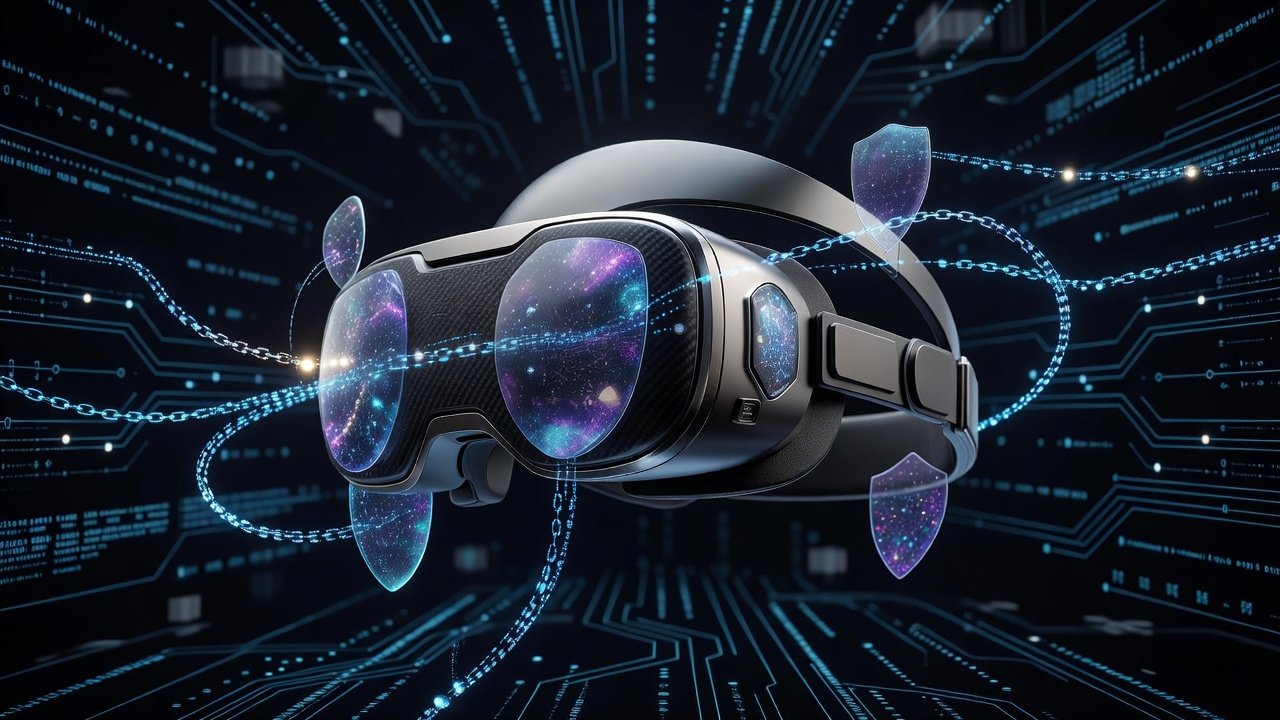
Introduction to Quantum Threats in Immersive and Decentralized Tech
As quantum computing advances rapidly toward 2026, VR, AR, and blockchain ecosystems face unprecedented risks from algorithms that could break classical encryption. This article explores proactive quantum cybersecurity tactics, focusing on threat modeling, integration workflows, and real-world applications for developers building immersive dApps and secure ledgers. Quantum computers threaten RSA and ECC-based systems used in blockchain wallets and AR data streams. Organizations must adopt post-quantum cryptography (PQC) now to stay ahead of harvest-now-decrypt-later strategies that target long-lived data in virtual environments.
The convergence of immersive technologies and decentralized ledgers creates unique vulnerabilities. Spatial computing in AR glasses transmits sensitive location and biometric data, while blockchain smart contracts rely on digital signatures that quantum algorithms like Shor's could compromise. Proactive defenses involve mapping quantum-vulnerable points early in development and layering multiple safeguards throughout the system architecture.
Understanding Quantum Threats in VR/AR and Blockchain Environments
Threat modeling begins with identifying attack surfaces. In VR/AR, these include real-time spatial data transmissions and user biometric feeds. Blockchain ledgers risk private key exposure via Shor's algorithm. Proactive defenses involve mapping quantum-vulnerable points early in development. Developers should categorize assets by sensitivity, such as high-value NFT ownership records or real-time collaborative VR session logs that persist on ledgers for years.
Key Threat Vectors for 2026
- Harvest-now-decrypt-later attacks on stored VR session data
- Quantum attacks on smart contract signatures in AR marketplaces
- Side-channel leaks in wearable hardware processing blockchain transactions
- Supply chain risks in third-party SDKs used for immersive rendering
Advanced modeling includes simulating quantum adversary capabilities using current classical approximations and projecting forward to 2028 hardware estimates. This helps prioritize which components require immediate PQC upgrades.
Step-by-Step Tactics for Implementing Quantum-Resistant Encryption
Follow this workflow to integrate PQC into your projects. Start with algorithm selection from NIST's finalized standards. Begin by conducting a full cryptographic inventory across all VR engines, AR frameworks, and blockchain nodes. Next, select hybrid schemes that combine classical and post-quantum algorithms to maintain backward compatibility during transition periods.
- Audit current cryptography using tools like OpenSSL with PQC extensions and document every instance of RSA or ECC usage.
- Replace vulnerable key exchanges with Kyber or Dilithium hybrids, testing for compatibility in Unity or Unreal Engine environments.
- Test integration in VR engines like Unity by updating TLS libraries and measuring handshake times under simulated network conditions.
- Deploy on blockchain testnets supporting PQC signatures, such as those experimenting with lattice-based schemes, and validate transaction finality.
- Monitor performance and rotate keys according to updated threat models, incorporating automated alerts for any detected anomalies.
- Conduct red-team exercises that emulate quantum attacks on sample datasets to verify resilience.
NIST Post-Quantum Cryptography Project provides the authoritative standards reference. Additional guidance comes from international bodies focused on secure communications.
Real-World Use Cases in Immersive Environments
Consider a decentralized AR gaming platform where players trade NFTs secured by PQC. Quantum-resistant signatures prevent forgery even if quantum computers emerge. Another case involves enterprise VR training sessions logging to blockchain with encrypted biometric data resistant to future decryption. In medical AR applications, patient overlay data streamed during remote procedures can be protected by PQC to ensure long-term confidentiality of sensitive health records stored on distributed ledgers.
A further example is metaverse real estate platforms that record ownership on blockchain. Implementing Dilithium-based signatures ensures that transfer proofs remain secure against quantum forgery attempts years after the transaction occurs. These cases demonstrate how early adoption reduces remediation costs and maintains user trust in immersive economies.

Classical vs Post-Quantum Approaches: Detailed Comparison
Classical methods like RSA-2048 offer speed but fail against quantum factoring. Post-quantum alternatives like CRYSTALS-Dilithium provide equivalent security with larger key sizes but improved long-term resilience. Benchmarks from 2026 test environments show PQC adding 20-40% overhead in signature verification on mid-range VR hardware, yet hybrid schemes balance this effectively. For instance, combining ECDH with Kyber maintains low latency for real-time AR interactions while adding quantum resistance to key establishment.
Developers must weigh trade-offs in memory usage, where post-quantum keys can be several kilobytes larger, impacting storage on resource-constrained headsets. However, optimizations such as parameter tuning and hardware acceleration mitigate these issues in practice.
Developer Checklists for Quantum-Safe Integration
- Inventory all cryptographic dependencies in VR/AR SDKs and smart contracts, including any third-party plugins.
- Validate PQC libraries against NIST test vectors and perform interoperability checks across different platforms.
- Conduct penetration testing simulating quantum adversaries using available emulation tools.
- Document migration plans with rollback procedures and version control for all updated components.
- Train teams on lattice-based and hash-based signature schemes through hands-on workshops.
- Establish monitoring dashboards for key usage metrics and anomaly detection in production environments.
- Review supply chain vendors for their own PQC readiness roadmaps and require attestations.
Performance Benchmarks and Optimization Strategies
Recent evaluations indicate Kyber-768 achieves acceptable latency under 5ms for AR streaming as of late 2026. Optimize by using hardware acceleration on modern GPUs and selective encryption for non-critical data streams. Avoid full PQC on every transaction initially; prioritize high-value assets. In blockchain contexts, batching multiple signatures and using aggregate schemes can reduce overall ledger bloat while preserving security properties.
Further strategies include profiling CPU and memory impact during peak VR loads and adjusting algorithm parameters based on device capabilities. Continuous benchmarking against classical baselines helps quantify improvements and justify infrastructure investments.
FAQs on Adoption Hurdles
How soon should teams migrate?
Begin hybrid implementations in 2026 to mitigate harvest-now risks, per guidance from leading standards bodies.
Will performance suffer significantly?
Modern optimizations keep overhead manageable, especially with hardware support arriving in new chipsets and careful selection of hybrid modes.
What about regulatory compliance?
Align with emerging global PQC mandates by documenting your transition roadmap and conducting regular audits.
Are open-source tools sufficient for implementation?
Yes, libraries from major projects provide robust starting points, but always validate against official test suites and combine with internal security reviews.
Conclusion: Building Resilient Systems Today
Quantum cybersecurity for VR, AR, and blockchain demands immediate, layered defenses. By following the outlined tactics, developers can create future-proof immersive experiences and ledgers that withstand evolving threats. The investment in proactive measures today safeguards user data and maintains competitive advantage in rapidly evolving digital landscapes.


No comments yet. Be the first!