 NeoBit Daily
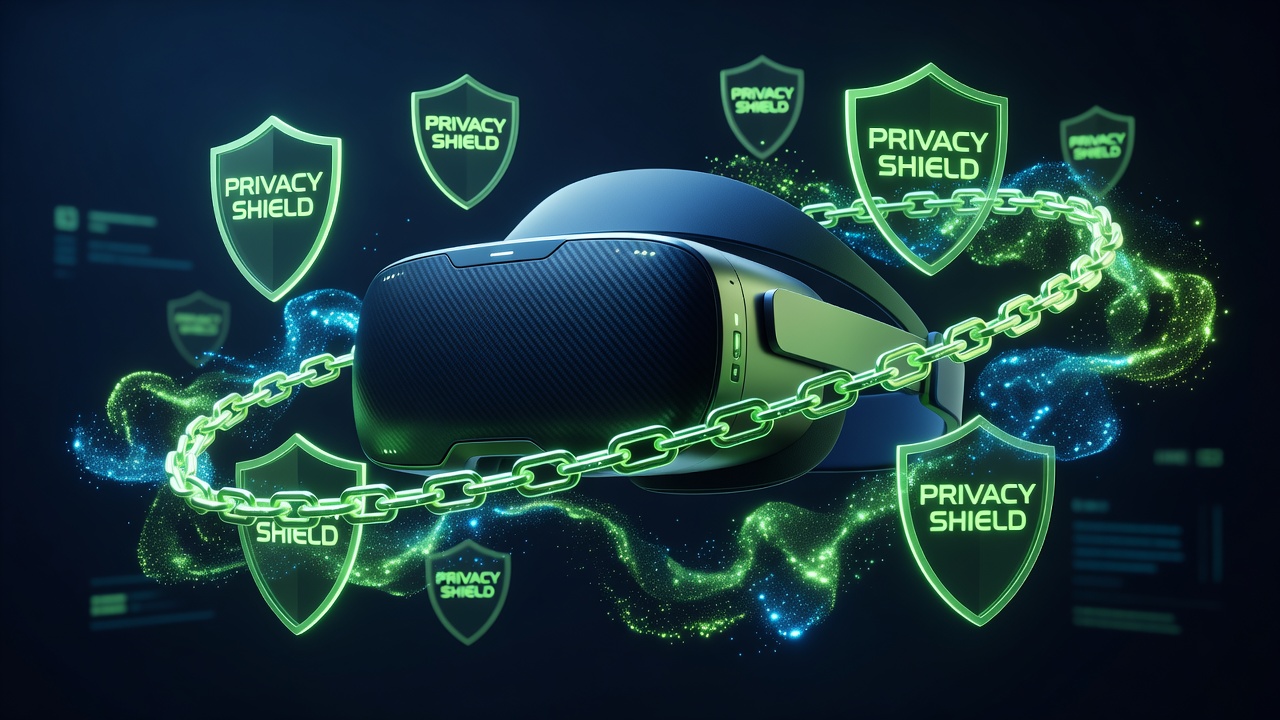
Introduction to Privacy Challenges in VR and AR Environments
As immersive technologies like virtual reality (VR) and augmented reality (AR) gain widespread adoption in 2026, user concerns about data privacy have intensified. These platforms collect vast amounts of biometric, behavioral, and spatial data, creating new vulnerabilities that traditional security models struggle to address. This comprehensive guide examines how blockchain and quantum computing address these issues, offering practical strategies for developers and tech enthusiasts building future-proof systems. Readers will gain insights into real-world applications, detailed implementation steps, and comparisons that help navigate the evolving landscape of emerging tech, VR AR, blockchain, quantum computing, and future tech integrations.
Current Privacy Risks in Immersive Platforms
Traditional VR and AR systems often rely on centralized servers, exposing users to data breaches and unauthorized tracking. Eye-tracking, facial recognition, and location data can reveal sensitive personal information such as health indicators, emotional states, and movement patterns. Emerging threats include man-in-the-middle attacks on real-time streams and unauthorized access to virtual environments where avatars interact. Reports highlight that without robust protections, these platforms risk eroding user trust and facing regulatory scrutiny from bodies focused on data protection. Developers must understand how data flows through headsets, cloud services, and third-party applications to mitigate these exposures effectively.
The Role of Blockchain in Decentralized Identity for VR AR
Blockchain technology enables decentralized identity (DID) solutions that give users control over their data. Instead of storing information on central servers, cryptographic proofs verify identity without revealing unnecessary details. Projects leveraging Ethereum-based smart contracts demonstrate how users can manage avatars and permissions across metaverses securely. This approach reduces single points of failure and enhances transparency through immutable ledgers. In practice, blockchain allows for self-sovereign identity where individuals own their digital credentials and grant temporary access only when needed. For VR AR environments, this means seamless yet private cross-platform experiences without exposing full user profiles.
Real-world examples include initiatives from emerging tech projects that integrate blockchain for consent management in AR applications, allowing granular data sharing in virtual workspaces. Ethereum documentation provides foundational resources for implementing such decentralized systems.
Quantum Encryption Methods for Future-Proof Security
Quantum computing poses risks to current encryption standards, but it also provides solutions through quantum key distribution (QKD) and post-quantum cryptography. These methods create encryption resistant to quantum attacks, ensuring long-term protection for VR AR data streams. QKD uses quantum mechanics principles to detect any eavesdropping attempts instantly, while post-quantum algorithms like lattice-based cryptography resist both classical and quantum threats. NIST has been actively standardizing quantum-resistant algorithms, providing a foundation for developers integrating these into immersive platforms. Integrating these techniques requires understanding hardware requirements and software libraries that support hybrid encryption models combining classical and quantum-safe elements.
NIST Post-Quantum Cryptography resources offer detailed guidelines on implementation and testing protocols suitable for VR AR developers.
Real-World Examples from Emerging Tech Projects
Several 2026 projects showcase integration success. One AR platform uses blockchain for user-owned digital assets combined with quantum-resistant encryption for session keys, resulting in enhanced user retention through trusted privacy features. Another VR collaboration tool employs decentralized identifiers to prevent identity spoofing while maintaining low-latency performance across global teams. A third example involves a metaverse education project that combines quantum key distribution with blockchain ledgers to protect student interaction data during immersive lessons. These cases illustrate scalable privacy enhancements without compromising user experience and highlight lessons in balancing security overhead with real-time rendering demands.
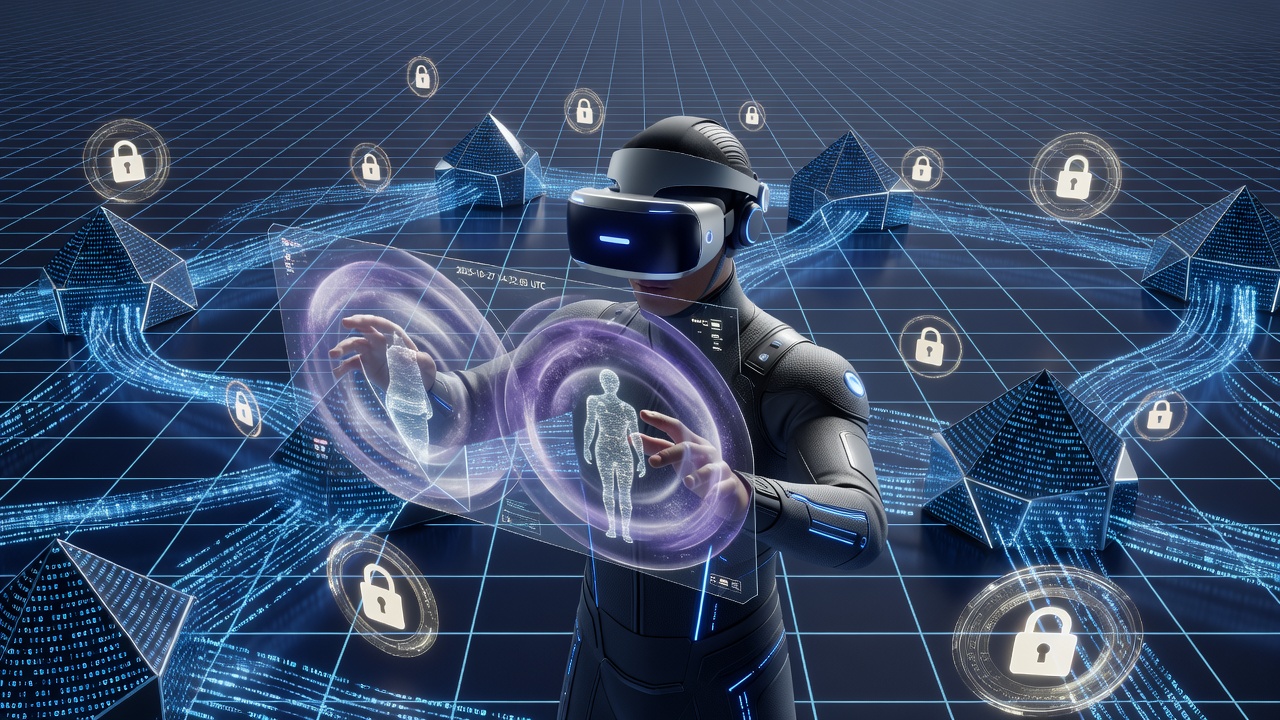
Step-by-Step Implementation Framework
- Assess current data flows and identify high-risk elements in your VR AR application by mapping every data collection point from sensors to storage.
- Select a blockchain protocol supporting smart contracts and integrate DID standards such as W3C verifiable credentials for seamless identity verification.
- Adopt post-quantum algorithms from established libraries for encryption layers, starting with hybrid models that maintain backward compatibility.
- Test for interoperability and performance impacts in simulated environments using tools that replicate quantum threats and network latency.
- Deploy with continuous monitoring and user consent mechanisms that provide clear dashboards for data permissions.
- Conduct regular audits and update cryptographic modules as new standards emerge to stay ahead of evolving threats.
This framework helps developers transition smoothly while maintaining compliance and security across complex immersive ecosystems.
Comparisons of Traditional vs Quantum-Resistant Approaches
- Traditional methods offer speed but face quantum vulnerabilities, leading to potential future breaches that could compromise entire user bases in VR AR platforms.
- Quantum-resistant options provide longevity and stronger privacy guarantees, though they may require more computational resources initially during key exchanges.
- Hybrid models combining both allow gradual migration, balancing immediate needs with long-term protection and enabling phased rollouts in production environments.
- Traditional centralized systems simplify management yet create attractive targets for attackers, whereas decentralized blockchain approaches distribute risk effectively.
- Performance benchmarks show quantum-resistant encryption adds minimal overhead in modern hardware when optimized correctly for VR AR rendering pipelines.
Developers should evaluate based on application scale and threat models for optimal results tailored to specific use cases.
Best Practices and Mistakes to Avoid
Successful implementations prioritize user education on privacy controls alongside technical measures. Avoid over-relying on single encryption methods by always using layered defenses. Common mistakes include neglecting mobile edge cases in AR applications and failing to test under high-concurrency loads typical in social VR spaces. Always document consent flows clearly and integrate fallback mechanisms for when quantum-resistant components encounter compatibility issues.
Common Implementation Hurdles and FAQ
How does blockchain affect VR AR performance?
Modern layer-2 solutions minimize latency, enabling seamless integration in most immersive scenarios when properly configured with off-chain computations.
Are quantum encryption tools accessible for small teams?
Open-source libraries make them increasingly available, though expertise in cryptography remains essential for correct configuration and ongoing maintenance.
What are the main regulatory considerations?
Focus on data minimization and user consent aligned with global privacy standards to ensure compliance across jurisdictions.
How can teams measure the effectiveness of these privacy enhancements?
Use metrics such as reduced data breach incidents, user trust surveys, and independent security audits conducted quarterly.
Conclusion
Combining blockchain and quantum computing creates robust privacy foundations for VR AR technologies. By following structured approaches and learning from existing projects, developers can build secure, user-centric experiences that stand the test of evolving threats in 2026 and beyond, fostering greater adoption of emerging tech solutions.


No comments yet. Be the first!