 NeoBit Daily

Introduction: The Convergence of Emerging Tech in Fashion
The fashion industry in 2026 stands at the intersection of virtual reality, augmented reality, blockchain, and quantum computing. These technologies are not isolated tools but a powerful ecosystem reshaping how designers create, brands operate, and consumers engage. This convergence addresses key pain points like inefficient supply chains, limited creative simulation, and the demand for immersive retail experiences. For creators and brands seeking competitive edges, understanding these applications goes beyond trends—it offers measurable advantages in efficiency and innovation. As global markets evolve, fashion houses must adapt to digital-first demands while maintaining artistic integrity and sustainability goals.
Traditional fashion cycles often spanned months from concept to consumer, burdened by physical logistics and high waste. In contrast, the integrated tech stack of 2026 enables real-time collaboration across continents, predictive analytics for trend forecasting, and personalized consumer interactions at scale. This article delves deeply into each technology, providing comparisons, real-world applications, and actionable steps for implementation.
VR and AR: Revolutionizing Virtual Try-Ons and Runway Shows
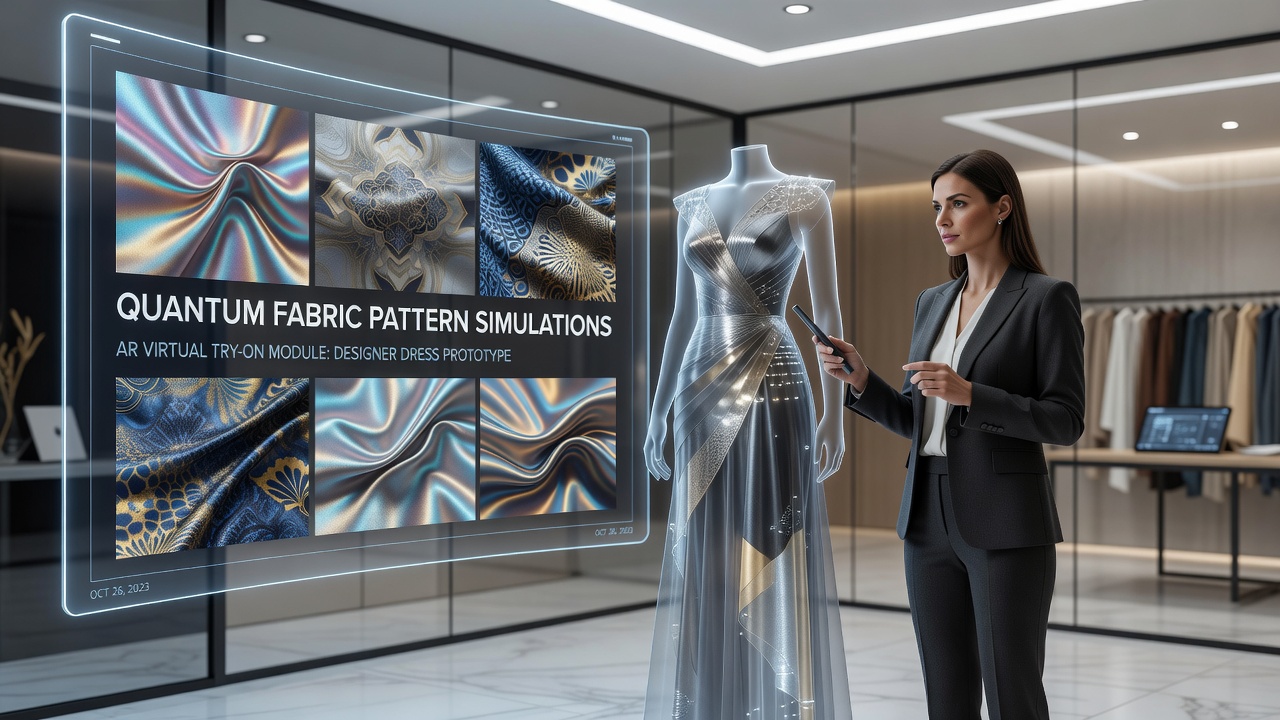
Virtual reality and augmented reality enable seamless virtual try-ons, allowing customers to visualize garments on personalized avatars without physical samples. Leading platforms integrate AR filters for real-time overlays on mobile devices, reducing return rates and enhancing personalization. Runway shows have evolved into hybrid virtual events where attendees explore 360-degree environments, interacting with digital garments that respond to movement and lighting conditions dynamically.
Comparisons highlight stark differences: traditional workflows rely on physical prototypes and in-person fittings, often taking weeks or months with significant material costs and travel, while VR/AR-driven processes compress timelines to days through iterative digital modeling. Designers can now test infinite variations in fabric drape, color, and fit using immersive interfaces that simulate real-world physics. Practical applications include brands using AR for in-store experiences that overlay historical collections onto current displays, creating educational and engaging narratives for shoppers.
Further depth reveals how VR facilitates remote design collaborations, where international teams co-create in shared virtual studios. AR extends this to retail by enabling users to project outfits into their home environments via smartphone cameras. These tools not only streamline operations but also open new creative frontiers, such as interactive storytelling through garments that change appearance based on viewer perspective.
Blockchain: Supply Chain Transparency and Digital Fashion NFTs
Blockchain technology provides immutable records for supply chain traceability, verifying ethical sourcing from raw materials to finished products. In digital fashion, non-fungible tokens (NFTs) establish ownership of virtual garments, enabling new revenue streams in metaverse platforms. This fosters trust with consumers increasingly concerned about sustainability and authenticity.
Real-world implementations demonstrate how blockchain logs every transaction step, contrasting with traditional opaque systems prone to counterfeiting and ethical lapses. IBM offers enterprise solutions that integrate these capabilities for fashion brands. Additional layers include smart contracts that automate royalty payments for digital creators and ensure compliance with labor standards across global suppliers.
Expanded use cases show blockchain powering circular economy models, where ownership histories track garment reuse and recycling. This transparency appeals to eco-conscious buyers and helps brands meet regulatory requirements in regions with strict sourcing mandates. Compared to legacy databases, blockchain's decentralized nature reduces single points of failure and enhances data integrity over time.
Quantum Computing: Advanced Pattern Simulations and Optimization
Quantum computing excels at complex simulations that classical computers struggle with, such as modeling intricate fabric behaviors under various conditions or optimizing pattern layouts for minimal waste. In 2026, early adopters leverage quantum algorithms to predict material performance, accelerating the design of high-performance apparel for sports, medical, and everyday use.
This represents a leap from traditional trial-and-error methods reliant on physical testing. Quantum-driven workflows allow simultaneous evaluation of thousands of variables, leading to superior outcomes in sustainability and functionality. For example, simulations can forecast how sustainable alternatives perform identically to conventional textiles under stress, guiding material substitutions without compromising quality.
Integrations with existing CAD software via cloud access points make quantum resources available even to mid-sized studios. NVIDIA and Intel provide platforms supporting these hybrid classical-quantum approaches, enabling precise pattern cutting that reduces fabric waste by significant margins in pilot programs.
Real-World Examples from Leading Fashion Houses
Prominent houses have piloted these technologies. For instance, integrations of AR for virtual collections and blockchain for provenance tracking appear in luxury lines. Quantum-inspired simulations aid in creating adaptive textiles that respond to environmental changes. These examples illustrate scalable benefits, from reduced prototyping costs to expanded global reach via digital assets. European and Asian brands alike are experimenting with metaverse pop-ups that blend all four technologies into cohesive consumer journeys.
Traditional vs. Tech-Driven Workflows: A Clear Comparison
- Design Phase: Traditional involves manual sketches and physical samples; tech-driven uses VR modeling and quantum optimization for rapid iterations with fewer resources.
- Retail Experience: Physical stores dominate traditional approaches, while AR try-ons and virtual showrooms define the new standard with 24/7 accessibility.
- Supply Chain: Opaque tracking gives way to blockchain-verified transparency that builds consumer loyalty and reduces fraud.
- Scalability: Limited by logistics traditionally, versus borderless digital distribution in tech models that support instant global launches.
- Sustainability Impact: High waste in conventional methods versus data-driven minimization through simulations and traceable sourcing.
Step-by-Step Adoption Tips for Creators and Brands
- Assess current infrastructure and identify high-impact areas like virtual try-ons or supply tracking.
- Partner with specialized tech providers for VR/AR integration and conduct small-scale pilots.
- Implement blockchain pilots focused on key suppliers first to establish verifiable chains.
- Explore quantum access via cloud services for simulation tasks without heavy hardware investment.
- Train teams on hybrid workflows combining creative intuition with data insights and measure ROI through key performance indicators such as time-to-market and customer engagement.
- Scale gradually, starting with limited collections before full rollout, while monitoring user feedback for refinements.
- Ensure compliance with data privacy regulations throughout the adoption process to maintain trust.
Challenges, Considerations, and Mitigation Strategies
Adoption is not without hurdles, including high initial learning curves, integration complexities with legacy systems, and the need for robust cybersecurity measures. Brands should prioritize phased rollouts and seek cross-industry partnerships to share knowledge. Ethical considerations around digital ownership and AI bias in simulations also require ongoing attention.
Conclusion
The 2026 design revolution driven by VR, AR, blockchain, and quantum computing empowers the fashion sector with unprecedented creativity and efficiency. Brands embracing these tools position themselves for sustained relevance in a digital-first landscape that values transparency, immersion, and innovation.
FAQ
What are typical implementation costs for these technologies?
Costs vary widely based on scale and customization, with entry points ranging from accessible cloud services to enterprise investments. Qualitative assessments suggest starting small to evaluate returns before major commitments.
How scalable are these solutions for smaller brands?
Scalability is high due to modular platforms, allowing gradual adoption. Smaller entities can leverage shared ecosystems for blockchain verification and AR tools without prohibitive upfront infrastructure.
What future developments are expected by 2027?
Expect deeper integration of quantum with AI for predictive design and expanded metaverse interoperability, further blurring physical and digital fashion boundaries while enhancing personalization capabilities.
How do these technologies impact sustainability efforts?
They enable precise waste reduction, ethical tracking, and virtual alternatives that lower the carbon footprint associated with physical production and transportation.


No comments yet. Be the first!