 NeoBit Daily
Introduction to Emerging Technologies in Manufacturing
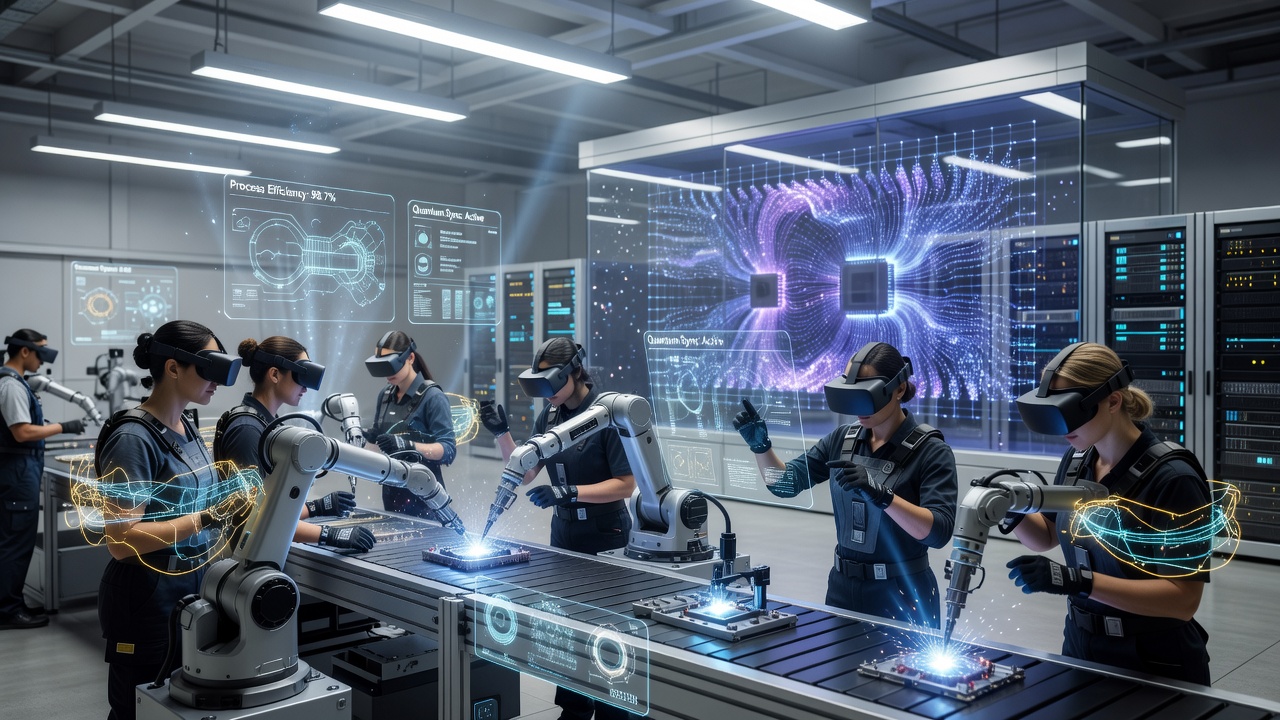
Manufacturers in 2026 face intense pressure to boost efficiency, traceability, and optimization amid global supply chain complexities. Integrating virtual reality (VR), augmented reality (AR), blockchain, and quantum computing offers transformative potential for production lines, quality control, and logistics. This comprehensive guide provides actionable steps for adoption, focusing on infrastructure readiness, tool selection, measurable returns, and risk mitigation strategies tailored to automotive and electronics sectors. By understanding real-world integration, companies can achieve competitive edges through reduced downtime and enhanced decision-making.
Understanding Each Technology's Role
VR and AR enhance visualization for training and design reviews, reducing errors in assembly lines by allowing immersive simulations of complex processes. Workers can interact with digital twins of machinery before physical implementation. Blockchain ensures end-to-end traceability for parts and compliance, creating immutable records that prevent counterfeiting and streamline audits across multi-tier suppliers. Quantum computing tackles complex optimization problems like scheduling and logistics that classical systems struggle with, enabling faster solutions for multi-variable scenarios in real time and supporting predictive maintenance models.
Infrastructure Assessment and Readiness
Begin by evaluating current IT systems, network bandwidth, and data centers. Manufacturers need high-performance computing clusters for quantum simulations and robust edge devices for AR overlays. Assess existing ERP and MES integrations to identify gaps in data flow. Security audits are essential to handle sensitive production data, including hardware upgrades for low-latency VR rendering and high-speed networks capable of supporting blockchain transaction volumes. Consider hybrid cloud setups to balance on-premise control with scalable quantum access. Evaluate power requirements and cooling for quantum hardware, and test 5G or Wi-Fi 6 infrastructure for seamless AR experiences on the factory floor. Conduct a gap analysis covering legacy equipment compatibility to avoid costly retrofits later.
Tool Selection Criteria
Choose platforms based on interoperability with existing ERP systems, scalability, and vendor support. Key factors include latency for real-time AR, encryption standards for blockchain, and hybrid quantum-classical solvers. Evaluate user interfaces for shop-floor workers, total cost of ownership, and community support. Prioritize solutions with open APIs and proven track records in industrial environments to avoid vendor lock-in. Test for compliance with industry standards like ISO 27001 and ensure vendor roadmaps align with 2026 technology trends such as improved quantum error correction.

Phased Rollout Plans with Timelines
Phase 1 (Months 1-3): Pilot VR training in one automotive plant, focusing on assembly simulations and measuring error reduction through before-and-after metrics. Include staff feedback sessions to refine interfaces. Phase 2 (Months 4-9): Deploy blockchain for electronics component tracking, integrating with supplier networks and testing traceability features under real production loads. Phase 3 (Months 10-18): Integrate quantum optimization across supply chains for scheduling and inventory management, starting with non-critical processes before full rollout. Monitor KPIs like downtime reduction and throughput increases at each stage, adjusting based on pilot feedback and performance data. Build in buffer time for unexpected integration issues and conduct quarterly reviews.
Industry Examples from Automotive and Electronics
BMW has used AR for assembly guidance, cutting training time significantly while improving accuracy on complex vehicle builds through interactive 3D instructions overlaid on real components. Tesla integrates blockchain for battery provenance in electric vehicles, ensuring ethical sourcing and regulatory compliance across global suppliers with transparent audit trails. Intel applies quantum algorithms for chip design optimization, accelerating simulations that previously took days into hours and enabling more iterations in R&D cycles. Samsung leverages VR simulations for electronics factory layouts to minimize waste and optimize robotic workflows, achieving notable gains in production efficiency through virtual prototyping and scenario testing. These examples highlight measurable outcomes like 20-30% efficiency improvements when implemented thoughtfully.
Security Considerations
Implement zero-trust architectures, quantum-resistant encryption, and regular penetration testing. Data sovereignty laws require careful handling of cross-border blockchain ledgers. Protect VR/AR endpoints from unauthorized access and ensure quantum systems use secure key distribution methods. Regular employee training on cyber hygiene complements technical controls, reducing insider risks in connected factories. Develop incident response plans specific to each technology, such as isolating compromised AR devices without halting production lines.
5-Step Implementation Checklist
- Conduct a full technology maturity assessment across all production areas.
- Define clear ROI metrics tied to production KPIs such as yield and cycle time.
- Select interoperable tools and run small-scale pilots with cross-functional teams.
- Train staff and establish change management protocols to drive adoption.
- Scale with continuous monitoring, data analytics, and iterative improvements.
Comparison Table of Popular Platforms
| Platform | Strengths | Best For |
|---|---|---|
| Unity with AR Foundation | Cross-device AR/VR support and robust developer ecosystem | Visualization pilots and training modules |
| Hyperledger Fabric | Enterprise blockchain traceability with modular architecture | Supply chain compliance and provenance tracking |
| IBM Quantum | Hybrid optimization solvers and extensive documentation | Complex scheduling and logistics problems |
| Microsoft Azure Mixed Reality | Cloud integration and enterprise security features | Scalable deployments across multiple sites |
ROI Calculations and Risk Mitigation
Calculate returns through metrics such as reduced scrap rates, faster time-to-market, and lower operational costs. Focus on qualitative improvements like enhanced worker safety alongside quantitative gains. Mitigate risks via phased investments, partnerships with established vendors, and contingency planning for integration challenges. Explore resources from NIST for standards on emerging technologies and IBM for manufacturing solutions. Additional guidance is available at Microsoft on mixed reality applications in industry.
Best Practices and Common Pitfalls to Avoid
Start with clearly defined use cases rather than technology-first approaches. Engage frontline workers early in the design process to ensure tools match real workflows. Avoid underestimating change management needs, as resistance can derail even well-planned rollouts. Regularly benchmark against industry peers and update strategies based on evolving standards. Document lessons learned from each phase to accelerate future adoptions.
Conclusion
Strategic adoption of these technologies positions manufacturers for competitive advantage in 2026. Focus on practical pilots and data-driven scaling to realize full value while managing risks effectively.
FAQ
How scalable are these solutions for mid-size manufacturers?
Cloud-based platforms allow gradual scaling without massive upfront infrastructure costs, enabling smaller operations to begin with targeted pilots before expanding.
What are typical cost concerns for 2026 deployments?
Focus on modular implementations to control expenses while demonstrating early wins in efficiency gains and productivity improvements.
Can quantum computing integrate with existing classical systems?
Yes, hybrid approaches are standard, allowing quantum solvers to handle specific optimization tasks while classical systems manage day-to-day operations.
How do companies address data privacy in blockchain traceability?
Permissioned ledgers and selective disclosure mechanisms help maintain compliance with regulations like GDPR while preserving transparency benefits.


No comments yet. Be the first!