 NeoBit Daily
Introduction: Emerging Tech Reshaping Modern Farming
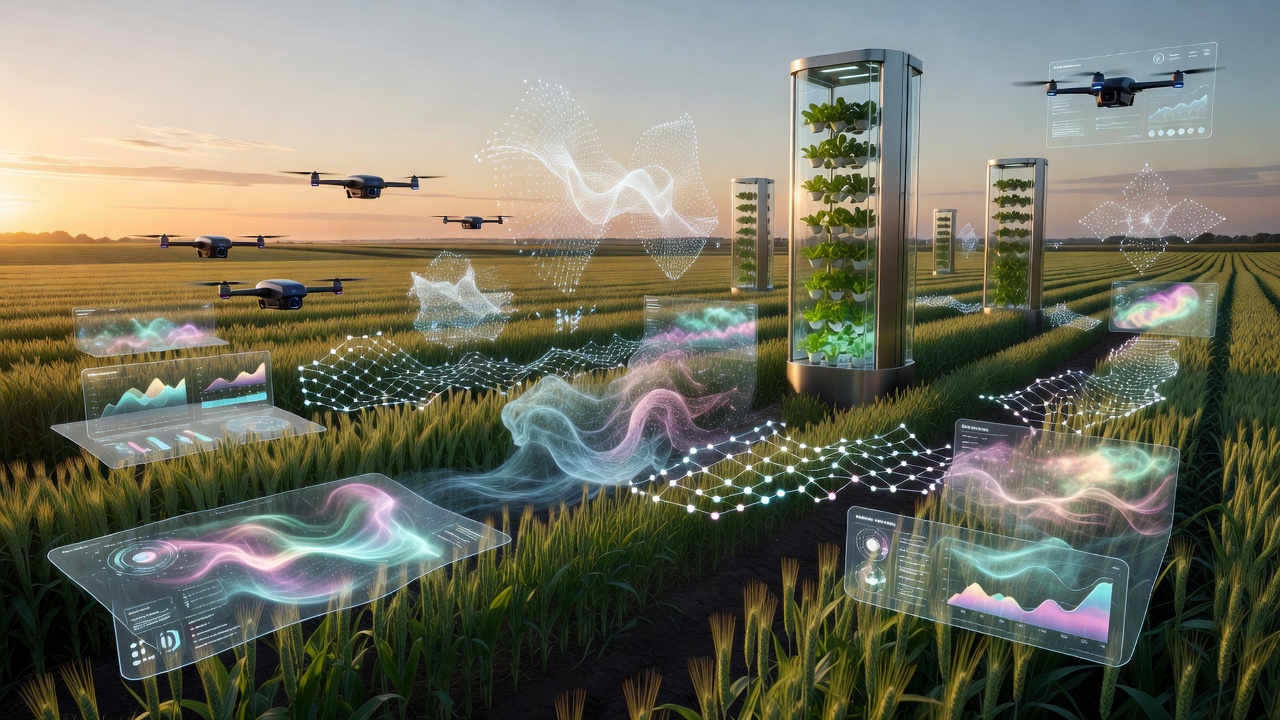
The agriculture sector faces mounting pressures from climate change, population growth, and resource limitations, driving the need for innovative solutions. In 2026, technologies such as virtual reality (VR), augmented reality (AR), blockchain, and quantum computing are moving from experimental stages to practical deployment on farms worldwide. These tools address core pain points including inefficient resource use, lack of supply chain visibility, and limited predictive capabilities for crop yields. Farmers and agribusinesses seeking cutting-edge methods can leverage these technologies to enhance productivity while promoting sustainability. This comprehensive guide explores five primary transformation pathways, backed by detailed explanations, real-world applications, and actionable insights tailored for tech-savvy agricultural professionals.
1. VR for Immersive Crop Simulation and Training
Virtual reality creates fully immersive environments where farmers simulate entire growing cycles without physical risk. Users interact with 3D models of fields, adjusting variables like soil composition, rainfall patterns, and pest infestations to observe outcomes. This capability allows testing of new seed varieties or irrigation strategies across multiple seasons in hours rather than months. Training programs benefit significantly as new workers practice equipment operation and crop management techniques in safe virtual settings, reducing on-site accidents and accelerating skill development. Integration with historical climate data enhances accuracy, enabling precise forecasting of harvest volumes and quality metrics. Farms adopting VR report improved decision-making processes, particularly in regions with unpredictable weather, where simulation helps mitigate potential losses through proactive planning.
2. AR for Real-Time Field Overlays and Decision Support
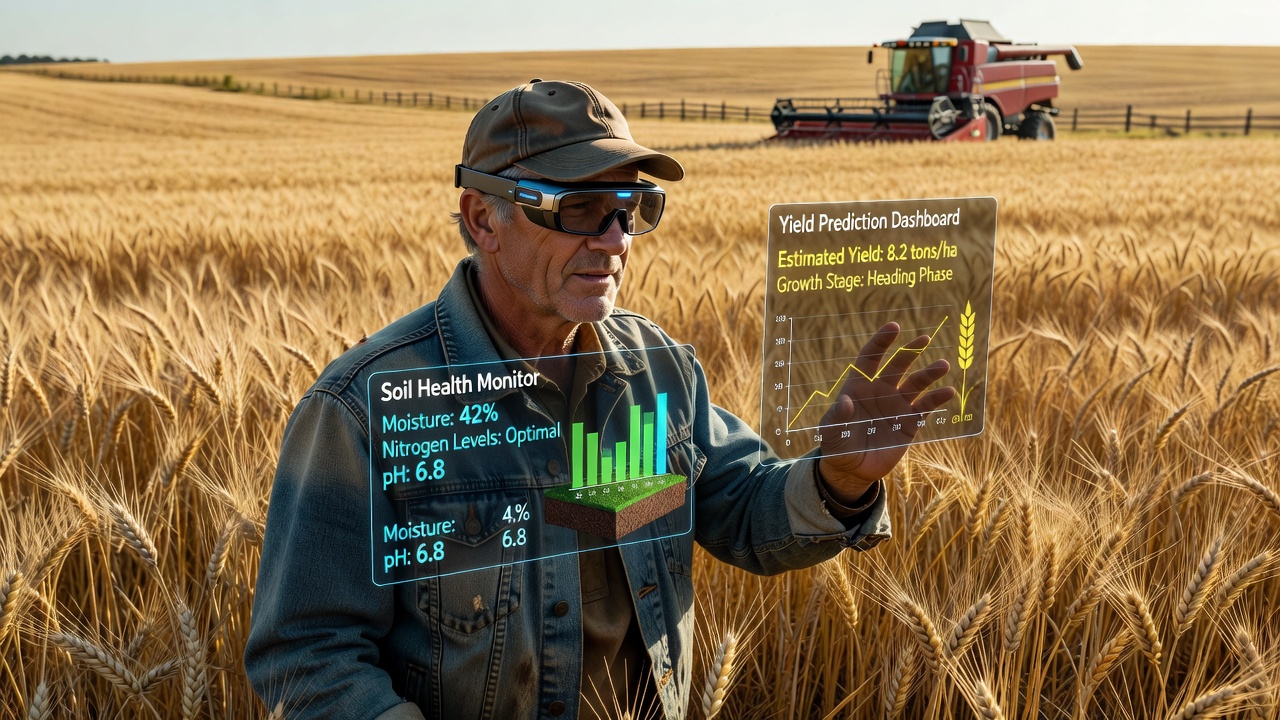
Augmented reality bridges digital insights with the physical world by projecting data layers onto real farm landscapes via mobile devices or wearable glasses. Farmers walking through fields instantly access soil moisture readings, nutrient deficiencies, and pest density maps overlaid on their view. Drone-captured imagery feeds into these systems for dynamic updates, supporting targeted interventions that conserve water and reduce chemical applications. Remote collaboration features let specialists annotate live scenes to guide local teams on complex issues like disease identification. This real-time support minimizes guesswork and optimizes daily operations across large acreages. Practical examples include vineyard managers using AR to mark individual vines needing attention, leading to more efficient labor allocation and higher grape quality consistency.
3. Blockchain for Supply Chain Transparency and Traceability
Blockchain technology establishes tamper-proof ledgers that document every stage of agricultural products from planting to consumer delivery. Each transaction records details such as origin, handling conditions, and certification status, building trust among buyers and sellers. Producers gain access to premium markets by proving organic or sustainable practices through verifiable digital trails. In cases of contamination, rapid tracing capabilities limit recall scopes and protect brand reputation. Global food systems benefit as stakeholders collaborate on standardized data protocols. Authoritative resources from the Food and Agriculture Organization emphasize blockchain's potential to strengthen international food security frameworks and reduce waste in perishable goods transport.
4. Quantum Computing for Advanced Yield Optimization Models
Quantum computing excels at solving intricate optimization problems involving massive datasets from sensors, weather stations, and satellite feeds. Traditional computers struggle with the simultaneous variables of soil health, pest dynamics, and market demands, but quantum approaches model these interactions at unprecedented speeds. Farmers access refined recommendations for planting densities, fertilizer timing, and harvest scheduling that maximize output while minimizing environmental impact. Early implementations focus on cloud-based quantum services, allowing smaller operations to benefit without owning specialized hardware. This technology supports complex simulations of long-term climate scenarios, helping farms adapt strategies for resilience beyond immediate seasons.
5. Integrated Tech Ecosystems: Synergies Beyond Individual Tools
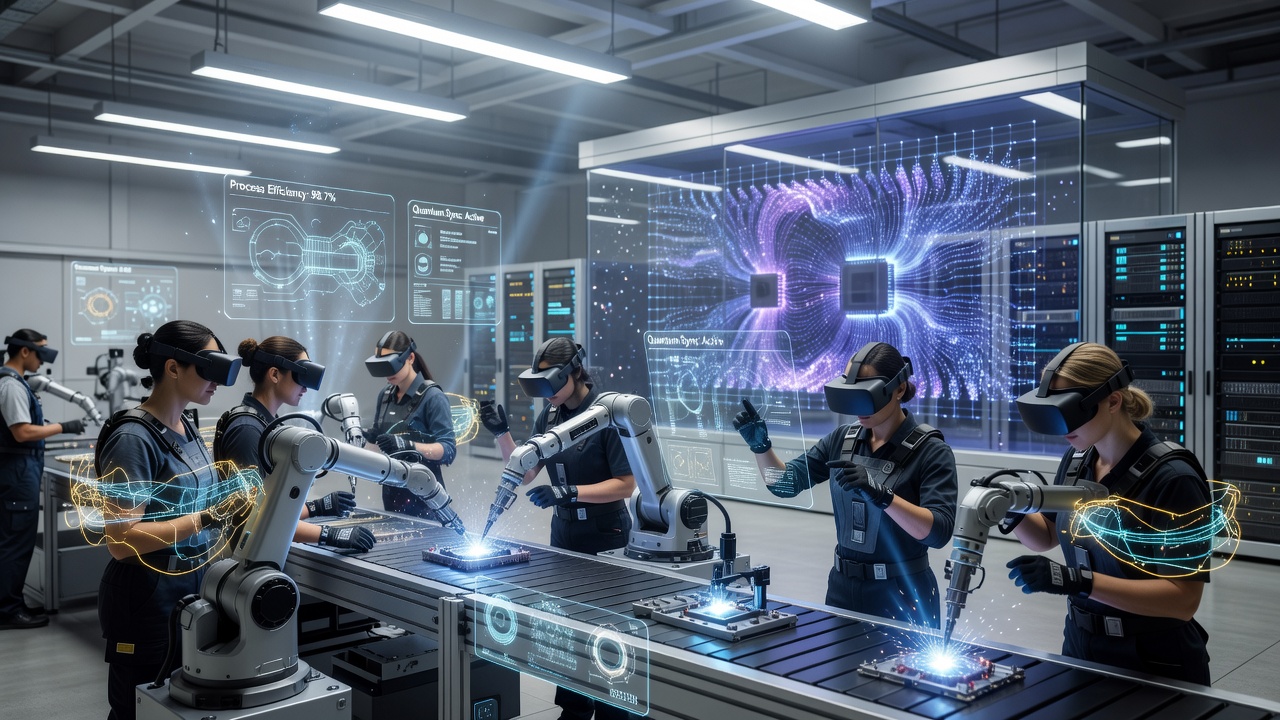
Combining VR, AR, blockchain, and quantum computing creates powerful interconnected platforms. VR-generated simulations inform AR field interfaces, while blockchain secures the data flows produced by quantum models. These ecosystems enable holistic farm management where predictive analytics adapt continuously to changing conditions. For instance, a single platform might simulate drought impacts in VR, overlay alerts in AR, verify carbon credits via blockchain, and refine models through quantum processing. Such integration fosters innovation in precision agriculture, allowing operations to scale sustainably and respond dynamically to emerging challenges.
Cost-Benefit Comparisons and Integration Challenges
Evaluating these technologies involves weighing upfront hardware and software investments against long-term gains in efficiency and reduced losses. VR and AR often deliver quicker returns through training savings and operational precision, whereas blockchain and quantum solutions require more extensive infrastructure yet offer transformative supply chain and modeling advantages. Integration hurdles include ensuring compatibility across legacy farm systems, addressing cybersecurity vulnerabilities in connected networks, and expanding reliable internet access in rural areas. Farms should conduct phased pilots to test interoperability and measure performance improvements before committing to full-scale adoption. Addressing these challenges thoughtfully leads to more robust implementations that align with specific operational needs.
Three Real-World Case Studies from Leading Farms
- Case Study 1: A large-scale corn producer in the Midwest United States implemented VR simulations to model hybrid seed performance under varied climate conditions, resulting in refined planting strategies that enhanced overall field uniformity and resource efficiency across thousands of acres.
- Case Study 2: An Italian vineyard network adopted AR tools integrated with drone feeds to monitor vine health in real time, enabling precise irrigation adjustments that improved grape consistency and supported higher-quality wine production while lowering water consumption rates.
- Case Study 3: An Australian livestock operation utilized blockchain to create end-to-end traceability for beef exports, satisfying strict international buyer requirements and unlocking new market opportunities with verified sustainability credentials.
Step-by-Step Adoption Roadmap
Successful integration begins with a structured approach. First, conduct a thorough audit of existing data collection methods and identify priority pain points such as yield variability or traceability gaps. Second, introduce accessible entry points like AR applications on standard smartphones to build familiarity among staff. Third, pilot blockchain tracking on a single product line to demonstrate transparency benefits. Fourth, collaborate with research institutions or technology providers offering quantum computing access through secure cloud platforms for advanced modeling tests. Fifth, establish metrics for ongoing evaluation, including productivity indicators and environmental outcomes, then scale successful elements while refining based on feedback. This methodical process minimizes disruption and maximizes value realization.
Future Tech Trends Beyond 2026
Looking ahead, tighter integration with artificial intelligence will amplify quantum computing capabilities for even more sophisticated predictive models. Enhanced 5G networks will expand AR accessibility in remote fields, while decentralized autonomous organizations governed by smart contracts may reshape farm governance structures. Emphasis on verifiable sustainability metrics will accelerate adoption as international regulations evolve. Programs supported by the United States Department of Agriculture continue to fund research into these converging technologies, fostering broader innovation in global agriculture practices.
FAQ: Addressing Scalability Concerns
How scalable are these technologies for small farms? Modular designs allow gradual implementation, beginning with low-cost AR mobile apps and progressing to cloud-based quantum services as needs grow, making advanced tools viable regardless of operation size.
What about data privacy and security? Blockchain's distributed architecture enhances resistance to tampering, yet farms must implement strong encryption protocols and adhere to local data protection laws to safeguard sensitive operational information.
Will these tools replace traditional farming knowledge? These technologies serve as powerful augmentations rather than replacements, freeing experienced farmers to concentrate on high-level strategy while automating routine monitoring and analysis tasks.
How do integration challenges affect smaller operations? Rural connectivity remains a key barrier, but partnerships with cooperatives or government initiatives can provide shared access to infrastructure, easing entry for independent producers.
What training is required for effective use? Most platforms include intuitive interfaces and vendor-supported tutorials, with VR environments offering risk-free practice sessions that accelerate team proficiency without extensive classroom time.

No comments yet. Be the first!