 NeoBit Daily
Introduction: The Fusion of Emerging Tech in Live Music
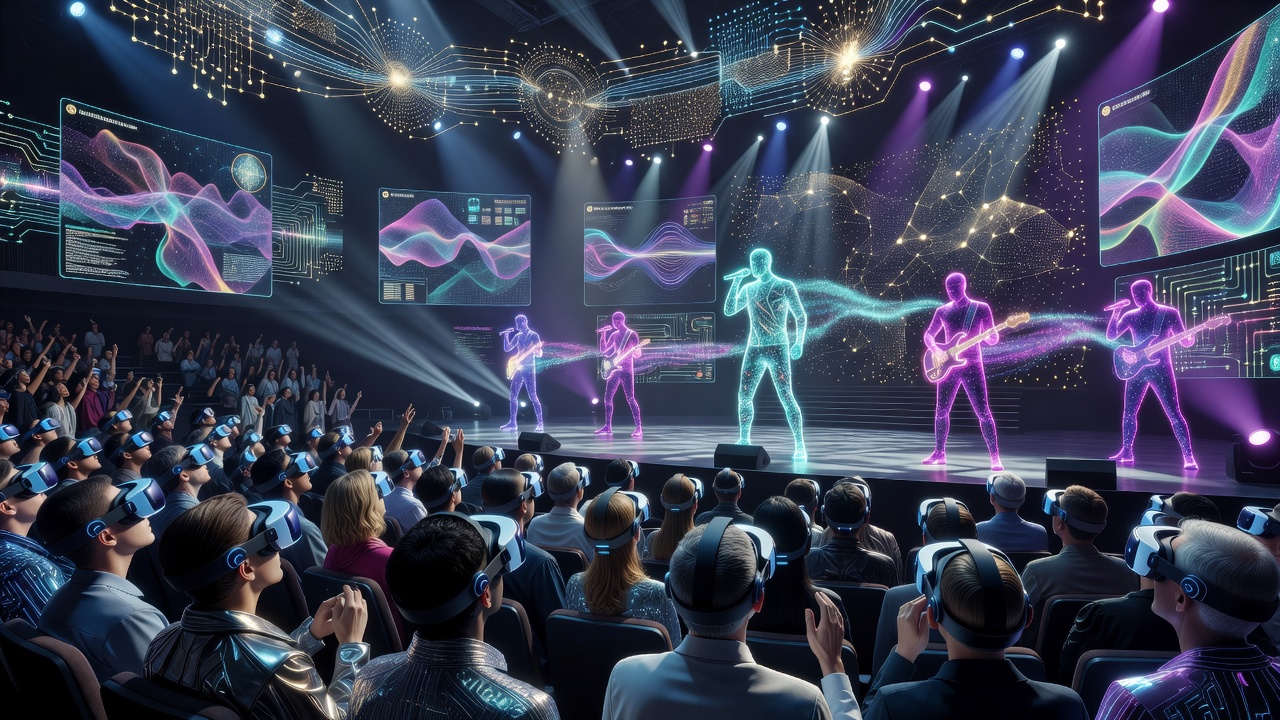
Live music in 2026 stands at the intersection of immersive technologies and advanced computing. VR and AR create unparalleled audience experiences, blockchain ensures secure ticketing and monetization, and quantum computing optimizes logistics and personalization. This comprehensive guide explores practical integration for artists and venues, drawing on case examples, comparisons, and measurable engagement gains. As the industry evolves rapidly, understanding these technologies allows creators to deliver memorable events while addressing security and efficiency challenges that defined earlier eras of live entertainment.
Immersive Experiences Through VR and AR
Virtual reality transports fans into virtual venues where they interact with performers in real time. Augmented reality overlays digital elements onto physical stages, enhancing sightlines and adding interactive visuals. Artists can reach global audiences without physical travel while maintaining the energy of live performance. In practice, VR headsets enable 360-degree views of the stage from any virtual seat, while AR glasses or phone apps let on-site attendees see animated backdrops that respond to the music's tempo and mood. Integration often involves syncing these layers with existing sound systems to avoid disorientation during high-energy moments.
Practical integration begins with selecting compatible hardware platforms that support low-latency streaming. Venues should test AR apps that sync with stage lighting to deliver synchronized effects visible through attendee smartphones. Additional considerations include accessibility features such as adjustable visual intensity for users prone to motion sickness and multilingual audio overlays that cater to international virtual crowds. These enhancements transform passive viewing into participatory events where fans can virtually high-five performers or influence lighting cues through simple gestures.
Blockchain for Security and Monetization
Blockchain technology secures ticketing against fraud and enables direct fan-to-artist payments via smart contracts. Tokenized assets allow exclusive access to backstage content or limited-edition merchandise. This decentralized approach eliminates middlemen, ensuring artists receive fair compensation instantly upon ticket sales or secondary market transactions. Smart contracts can automatically split revenue among band members, managers, and promoters according to predefined percentages, reducing administrative overhead significantly.
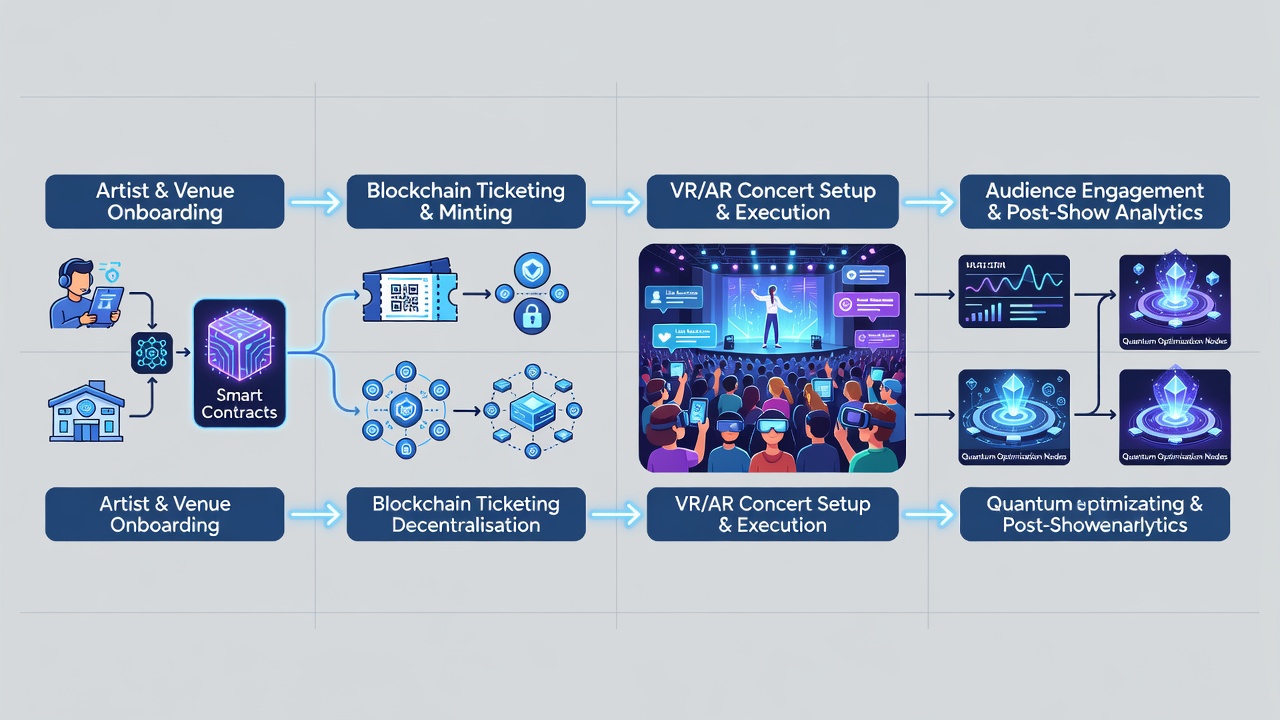
Step-by-step setup includes choosing a scalable blockchain network, integrating wallet connections for ticket purchases, and deploying smart contracts that automate royalty distribution. This process typically requires collaboration with developers experienced in decentralized applications. Artists often begin by piloting NFT-based backstage passes for a single tour date before expanding to full-season access tokens. Venues benefit from immutable records that track every entry and exit, enhancing crowd safety protocols during large gatherings.
Real artist case examples include electronic musicians experimenting with blockchain-based fan tokens to reward early supporters, resulting in higher retention rates compared to traditional platforms. One prominent act used tokenized merchandise to create a loyal community that engaged with exclusive AR filters during live streams, boosting overall event visibility across social channels.
Quantum Computing Optimizations
Quantum systems enhance personalization by analyzing vast datasets of listener preferences faster than classical computers. They optimize venue layouts, sound mixing, and crowd flow predictions for smoother events. Quantum algorithms can process complex variables such as acoustic reflections in irregular spaces or real-time adjustments to lighting based on collective audience movement captured via sensors. This leads to more precise sound balancing that adapts to the unique acoustics of each performance space.
Comparisons of traditional versus enhanced concerts show traditional events limited by manual scheduling and static experiences, while quantum-enhanced events deliver dynamic setlists adjusted in real time based on audience biometric feedback. Traditional setups rely on pre-planned playlists and fixed stage designs, often resulting in mismatched energy levels between performers and crowds. In contrast, the enhanced model uses quantum-driven simulations to predict peak engagement moments and adjust accordingly, creating fluid transitions that keep attendees immersed throughout the show.
IBM provides foundational resources on quantum applications relevant to entertainment logistics. Venues exploring these tools often partner with cloud providers to access quantum processors without owning specialized hardware.
Real Artist Case Examples and Practical Integration Strategies
Beyond initial experiments, several independent artists have successfully layered these technologies. A hip-hop collective implemented AR overlays during a multi-city tour, allowing virtual attendees to unlock personalized messages from performers via blockchain-verified tickets. Another rock band utilized quantum-optimized routing for merchandise distribution, cutting delivery times while maintaining secure ownership records on the ledger. These examples demonstrate scalable models that smaller acts can adapt by starting with open-source frameworks and gradually incorporating premium features as audience demand grows.
Step-by-Step Setup Processes for Artists and Venues
Begin with an audit of current infrastructure to identify gaps in connectivity and hardware compatibility. Next, select pilot technologies—perhaps starting with AR for one performance before adding blockchain ticketing. Collaborate with specialized consultants to develop custom smart contracts and test VR environments in controlled settings. Monitor initial results through engagement dashboards that track participation rates and feedback scores. Finally, iterate based on data, expanding successful elements across future events while documenting lessons for team training sessions.
Audience Engagement Metrics and Benefits
Enhanced concerts report increased dwell time and social sharing. Metrics tracked include virtual attendance numbers, interaction rates within AR environments, and blockchain transaction volumes. Venues adopting these technologies see improved data collection for future event planning. Detailed analysis often reveals spikes in repeat virtual visits when personalization features are prominent, alongside higher merchandise conversion from tokenized rewards. Benefits extend to environmental impact reductions as fewer physical tours become necessary for reaching global fans.
Common Mistakes to Avoid
- Underestimating latency issues in VR streaming setups that can break immersion during critical performance peaks
- Neglecting user privacy when implementing blockchain wallets, which may lead to compliance challenges in various regions
- Overlooking compatibility between quantum optimization tools and existing venue software, resulting in fragmented data flows
- Failing to provide adequate onboarding tutorials for attendees unfamiliar with new interfaces
Overcoming Tech Barriers and Future Outlook
Key barriers include high initial learning curves and infrastructure requirements, yet many organizations mitigate these through phased rollouts and partnerships with tech incubators. Looking ahead, continued advancements promise even tighter integration, potentially allowing fully hybrid events where physical and virtual realities blend seamlessly. Artists who invest early in understanding these tools gain competitive edges in audience loyalty and operational efficiency.
FAQ on Implementation Costs and Tech Barriers
What are the primary tech barriers for smaller venues? Integration often requires specialized staff training and reliable high-speed internet infrastructure. Many start with pilot projects focused on one technology layer before scaling.
How do costs compare qualitatively? Blockchain solutions add layers for security but reduce long-term fraud expenses. VR/AR hardware investments yield higher engagement, while quantum access currently remains cloud-based for most users seeking advanced analytics without heavy capital outlay.
Are there accessibility concerns? Yes, ensuring inclusive design for participants with varying technical proficiency or hardware access remains essential during rollout to avoid excluding portions of the audience.
What training is typically needed for venue staff? Staff usually require sessions on managing VR platforms, verifying blockchain transactions, and interpreting quantum-generated reports to maintain smooth operations.
Conclusion
Artists and venues that strategically combine VR, AR, blockchain, and quantum technologies position themselves at the forefront of 2026 live music. Starting with targeted pilots and measuring engagement provides a clear path forward toward more immersive, secure, and efficient events that resonate with modern audiences worldwide.

No comments yet. Be the first!