 NeoBit Daily
Introduction to Wearable Device Security in 2026
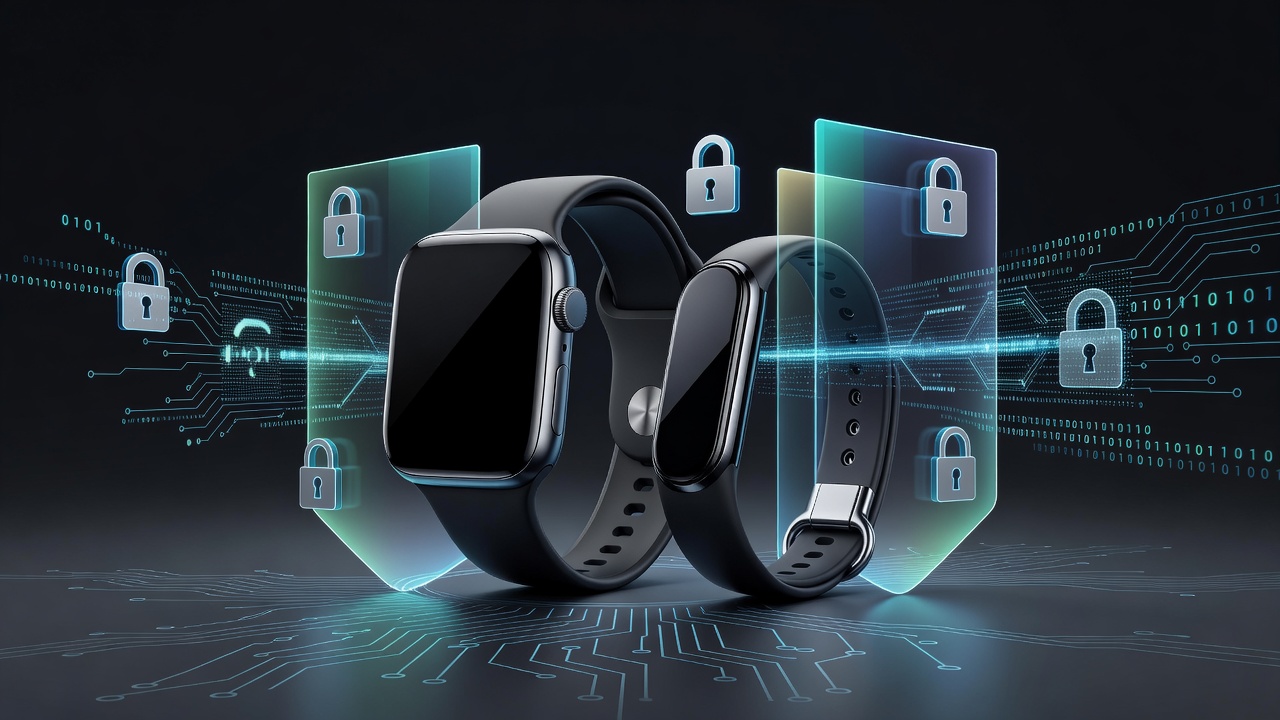
Wearable technology such as smartwatches and fitness trackers has become ubiquitous, collecting vast amounts of sensitive health and location data. In 2026, these devices face evolving cybersecurity threats that can lead to unauthorized access and data breaches. This guide provides beginner-friendly yet comprehensive strategies to safeguard your personal information. As more consumers rely on wearables for daily health monitoring and navigation, understanding the security landscape becomes essential for protecting privacy in an increasingly connected world.
Wearables connect continuously to smartphones and cloud services, creating multiple entry points for hackers. Understanding these risks is the first step toward effective protection. The convenience of real-time insights comes with responsibilities that many users overlook until a breach occurs.
Unique Cybersecurity Risks Facing Wearables
Unlike traditional smartphones, wearables often lack robust built-in security features. They transmit real-time biometric data including heart rate, sleep patterns, and GPS coordinates. This makes them attractive targets for cybercriminals seeking to exploit health information or track movements. Attackers can intercept signals during Bluetooth pairing or exploit unpatched firmware to gain persistent access to personal profiles.
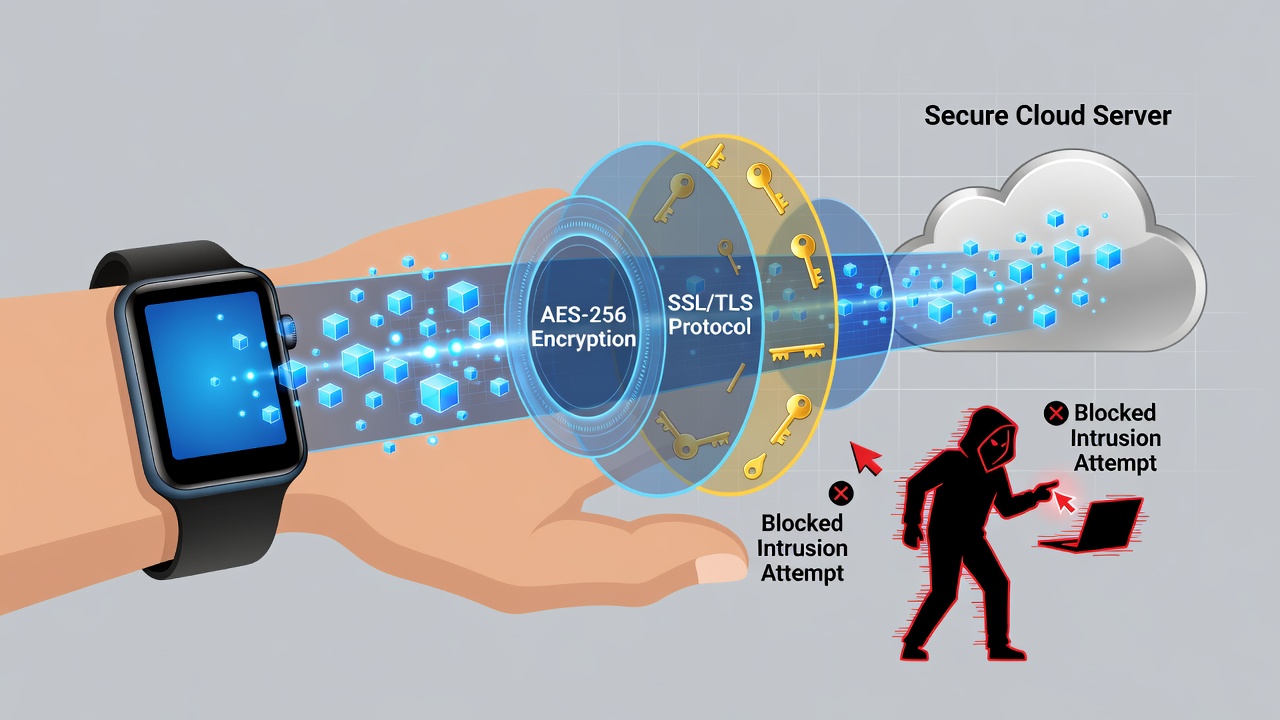
Common risks include Bluetooth vulnerabilities, weak authentication protocols, and unencrypted data transmission. In 2026, the proliferation of IoT devices amplifies these threats as attackers develop more sophisticated methods. For example, man-in-the-middle attacks on public Wi-Fi can capture data streams from nearby fitness trackers without the user's knowledge.
Real-World Hacking Examples and Lessons Learned
Several high-profile incidents highlight the dangers. For instance, researchers have demonstrated how fitness trackers can be compromised to reveal user locations through metadata analysis. Another case involved malware that intercepted health data from popular smartwatch models via unsecured Bluetooth connections. In one documented breach, unauthorized parties accessed sleep tracking information to infer user routines and home addresses.
These examples underscore the need for vigilance. Learning from past breaches helps users implement proactive defenses before problems arise. Security experts recommend monitoring for unusual battery drain or unexpected app behavior as early warning signs of compromise.
How Wearables Collect and Store Sensitive Data
Modern wearables gather continuous streams of personal metrics. Health data such as blood oxygen levels and activity logs are stored both on the device and synced to manufacturer servers. Location services add another layer of tracking that persists even when users believe they have disabled features. Data is often shared with third-party health apps, increasing the attack surface.
Without proper encryption, this information becomes accessible during transmission or storage. Users should review privacy settings regularly to limit unnecessary data collection. Understanding data flows empowers individuals to make informed decisions about which metrics to share and with whom.
Practical Security Tips for 2026
Implementing strong security measures starts with basic habits. Always enable two-factor authentication on associated accounts and use complex passwords. Regularly review app permissions to revoke unnecessary access. Consider using dedicated security apps that monitor wearable connections for anomalies.
- Keep firmware updated to patch known vulnerabilities and benefit from the latest encryption standards
- Enable device encryption where available to protect stored health records
- Use VPNs when connecting to public networks to shield data in transit
- Disable location tracking when not essential to reduce exposure
- Pair devices only in secure environments and forget unknown connections promptly
These steps significantly reduce exposure to threats and form the foundation of a solid defense strategy.
Step-by-Step Guide to Securing Your Wearable
Follow these instructions for popular devices. First, update the companion app from official stores to ensure you have the newest security patches. Next, navigate to security settings and activate encryption for all stored data. Then, pair the device only with trusted phones and enable automatic firmware checks so updates install without delay.
Finally, monitor connected accounts for unusual activity and set up alerts for login attempts. Repeat this process monthly to maintain strong protection. For Apple Watch users, enable Find My and review Health app sharing options. Fitbit owners should verify Google account integration settings and limit data export permissions.
Comparing Protections Across Popular Devices
Different brands offer varying levels of security. Some models feature advanced biometric authentication and end-to-end encryption, while others rely on basic PIN protection. Users should compare these features before purchase and prioritize devices with regular security updates from reputable manufacturers. Devices with dedicated security chips provide superior defense against physical tampering and side-channel attacks.
Research shows that models supporting secure boot processes and regular over-the-air updates maintain better long-term protection. Always check manufacturer transparency reports for details on how they handle vulnerability disclosures.
Data Privacy Compliance and Search Intent
Searchers often seek guidance on regulations like GDPR or CCPA as they apply to wearables. Manufacturers must comply with these standards, but users also play a role by understanding their rights to data deletion and access requests. Staying informed about compliance helps ensure personal information remains protected under current laws. In 2026, increased regulatory scrutiny means companies face stricter penalties for mishandling health data collected by wearables.
Common Mistakes to Avoid
Many users skip firmware updates, reuse weak passwords across apps, or leave Bluetooth discoverable at all times. Others grant excessive permissions to third-party apps without reviewing data-sharing policies. Avoiding these pitfalls requires forming consistent habits rather than one-time fixes.
Future Trends in Wearable Security
Looking ahead, expect wider adoption of AI-driven anomaly detection and hardware-based secure enclaves. Privacy-focused operating systems for wearables may become standard, giving users granular control over data sharing. Staying educated on these developments will help maintain security as technology evolves.
FAQ Section
Can hackers access my health data through wearables?
Yes, if security measures are weak. Always enable encryption and keep software current to minimize risks.
How often should I update my wearable firmware?
Check for updates at least monthly or enable automatic installation when available through the companion app.
Are fitness trackers safer than smartwatches?
It depends on the specific model and its security features rather than the category alone; evaluate each device individually.
What should I do if I suspect a breach?
Immediately disconnect the device, change associated passwords, and contact the manufacturer support team for guidance.
Conclusion
Protecting wearable devices in 2026 requires ongoing attention to emerging threats and consistent application of security best practices. By following the strategies outlined above, users can confidently enjoy the benefits of wearable technology while minimizing privacy risks. For more authoritative resources, visit NIST, CISA, and FTC.


No comments yet. Be the first!