 NeoBit Daily

Introduction to Metaverse Data Privacy in 2026
The metaverse continues to evolve rapidly in 2026, creating immersive digital spaces where users interact through avatars, virtual environments, and shared platforms. This growth brings significant cybersecurity challenges, particularly around data privacy. Beginners entering these spaces must understand emerging risks such as unauthorized access to personal information and cross-platform vulnerabilities to stay protected. Proactive strategies are essential for safeguarding user data amid evolving regulations. This guide focuses on real-world examples from immersive platforms and emphasizes compliance with 2026 privacy standards to help users build secure habits from the start. As virtual worlds become more integrated into daily life, understanding how data flows between users, platforms, and third parties is critical for maintaining control over personal information.
Key Cybersecurity Risks in Virtual Environments
Virtual environments amplify traditional online threats by blending personal identity with digital interactions. Data privacy breaches often occur when platforms collect extensive user data without transparent controls, leading to potential exposure during hacks or leaks. Recent incidents in 2026 highlight how immersive platforms have faced increased scrutiny for inadequate encryption during real-time sessions. Users should prioritize platforms that align with current regulatory frameworks to minimize exposure. Common risks include session hijacking in crowded virtual events and the interception of voice or gesture data that reveals sensitive behavioral patterns. These issues are compounded by the always-on nature of metaverse experiences, where continuous data streams create larger attack surfaces than traditional web browsing.
Avatar Identity Theft: Understanding the Threat
Avatar identity theft represents a unique risk where malicious actors hijack or replicate digital personas to access linked accounts or personal details. In 2026, several high-profile cases involved stolen avatars used to impersonate users in social and commercial virtual spaces, resulting in compromised data. Attackers often exploit weak authentication to take over avatars and extract associated email addresses, payment methods, or interaction histories. To mitigate this, enable two-factor authentication on all metaverse accounts and regularly audit avatar-linked permissions. Avoid sharing biometric data or voice samples that could be exploited for deepfake impersonations. Additionally, monitor avatar activity through built-in dashboards and revoke access for any suspicious third-party applications immediately. Educating yourself on how avatars link to real-world identities helps prevent long-term privacy erosion.
Virtual Asset Security Best Practices
While avoiding blockchain specifics, virtual asset protection in the metaverse centers on securing digital items and access credentials. Unauthorized transfers or access can lead to privacy leaks if assets are tied to user profiles. Implement strong, unique passwords and monitor activity logs frequently. Use built-in platform tools to restrict asset visibility to trusted contacts only. Consider segmenting your virtual inventory so that high-value items are stored in separate, less accessible virtual lockers. Regular security audits of connected devices also reduce the chance of malware capturing asset metadata. These steps create layered defenses that protect both your digital belongings and the personal data they may reference.
Cross-Platform Data Leaks and Real-World 2026 Examples
Cross-platform data leaks occur when information shared in one virtual space migrates to others without consent. In early 2026, reports emerged of leaks affecting multiple immersive platforms, exposing user preferences and interaction histories. These incidents often stem from inadequate API security between partnered virtual worlds. Users who linked accounts across platforms found their data exposed in unexpected places, highlighting the dangers of seamless but unsecured integrations. To counter this, maintain separate profiles and limit data synchronization features. Reviewing privacy policies for each platform before enabling cross-connections is a simple yet effective precaution.
Step-by-Step Privacy Settings Guide
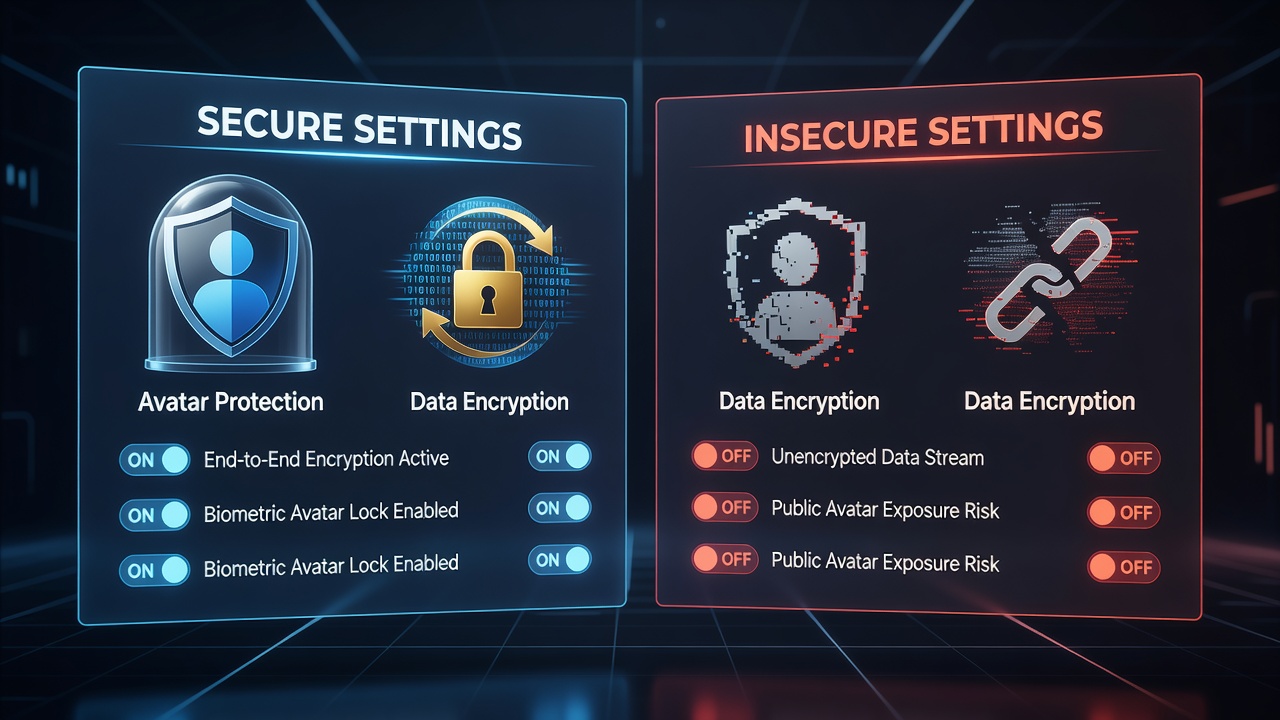
Follow these practical steps to enhance privacy on major metaverse platforms. First, access your account settings and navigate to the privacy controls section. Disable location sharing and limit profile visibility to friends only. Enable data encryption options where available and carefully review third-party app permissions, revoking any that seem unnecessary. Set up alerts for unusual login attempts and enable automatic logouts after periods of inactivity. Regularly download and delete your data exports as per platform policies. Next, customize avatar visibility settings to prevent random users from viewing your full profile or interaction history. Test these settings in a private virtual room before applying them broadly. Finally, stay updated on platform policy changes by subscribing to official security newsletters. These layered adjustments significantly reduce your digital footprint while preserving the immersive experience.
Comparing Metaverse Tools for Privacy
When selecting tools, compare features like granular permission controls and audit logs. Some platforms offer superior default encryption compared to others, making them preferable for privacy-conscious users. Evaluate based on ease of use and integration with 2026 compliance standards rather than popularity alone. Look for tools that provide detailed data access reports and easy-to-use deletion options. Platforms with strong default settings for blocking data scraping tend to perform better in independent security assessments. Testing multiple tools in short trial periods helps identify which interface aligns best with your personal security workflow.
Compliance with 2026 Regulations
Adhering to updated privacy laws ensures metaverse activities remain secure. Focus on platforms that support user rights such as data portability and deletion requests. Staying informed through official channels helps maintain compliance without unnecessary complexity. Resources like the NIST cybersecurity guidelines provide frameworks for evaluating platform security. Similarly, guidance from the FTC on consumer data protection and CISA cybersecurity recommendations can inform your choices. Regular self-audits ensure you meet evolving legal expectations across different regions.
FAQ on Common Metaverse Threats
What is the most common data privacy breach in the metaverse?
Avatar impersonation and unauthorized data scraping top the list, often stemming from weak authentication.
How can I prevent cross-platform leaks?
Use isolated accounts per platform and avoid syncing personal data across services.
Are there specific 2026 regulations I should know?
Emphasize tools that facilitate consent management and transparent data handling aligned with current global standards.
What should I do if my avatar is compromised?
Immediately change all linked passwords, enable additional authentication, and report the incident through the platform's security portal.
How often should I review my privacy settings?
Perform a full review at least once per quarter or after any major platform update.
Conclusion
Mastering metaverse cybersecurity requires ongoing vigilance and informed choices. By applying these strategies, users can navigate virtual spaces confidently while protecting their data in 2026 and beyond. Consistent application of the outlined practices builds resilience against emerging threats and supports long-term privacy in immersive digital environments.

No comments yet. Be the first!