 NeoBit Daily
Introduction
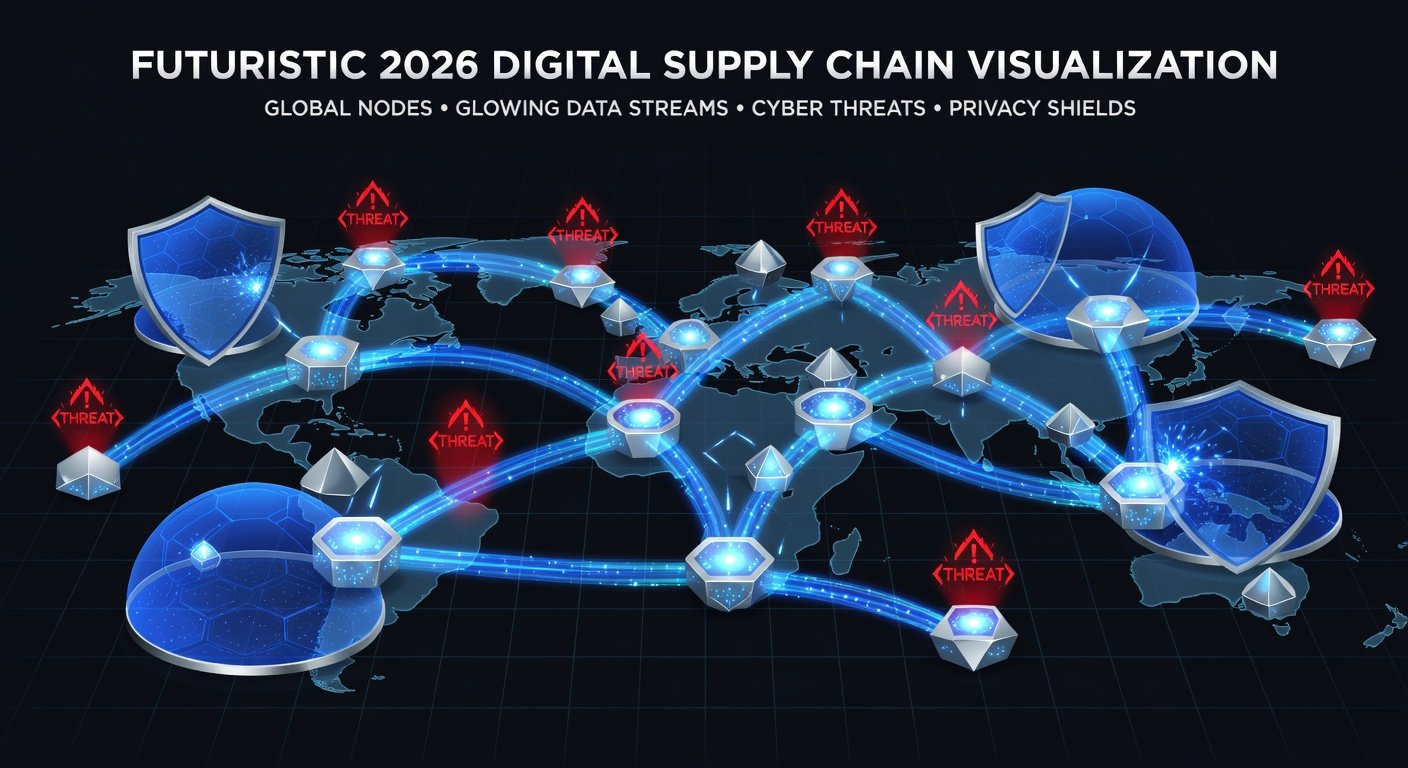
Supply chain cyber risks have emerged as one of the most pressing cybersecurity challenges for organizations in 2026. As businesses increasingly rely on interconnected vendors, third-party software, and global logistics networks, attackers exploit these extended ecosystems to breach even the most fortified enterprises. IT leaders must adopt proactive data privacy defenses that extend beyond internal perimeters to encompass every link in the chain. The rapid digitization of procurement processes, combined with the proliferation of Internet of Things devices in manufacturing and shipping, has multiplied potential entry points for sophisticated threat actors. This comprehensive guide examines the evolving threat landscape, analyzes notable recent incidents, and delivers actionable frameworks for risk assessment, vendor management, and advanced resilience measures including blockchain integration. By the end of this article, readers will have a clear roadmap for strengthening their supply chain security posture against the unique challenges expected throughout 2026 and beyond.
Understanding Supply Chain Cyber Risks in 2026
Modern supply chains involve thousands of touchpoints across software providers, hardware manufacturers, logistics partners, and cloud services. A single compromised vendor can grant attackers access to sensitive data from dozens of downstream organizations. Key risk vectors include software supply chain attacks, compromised firmware updates, and inadequate data handling practices by smaller suppliers. In 2026, the threat landscape has intensified due to the widespread adoption of artificial intelligence in both offensive and defensive tools, making traditional detection methods less effective. Organizations now face risks from nation-state actors targeting critical infrastructure suppliers as well as ransomware groups focusing on high-value manufacturing and healthcare networks. According to guidance from CISA, organizations must map their entire digital supply chain and identify critical dependencies. This visibility forms the foundation of any effective defense strategy. Additionally, regulatory pressures around data privacy have increased, requiring companies to demonstrate control over data flows across borders and through multiple vendor layers.
Real-World Case Studies of Recent Breaches
High-profile incidents continue to highlight systemic vulnerabilities. In late 2025, a major automotive manufacturer suffered a ransomware attack originating from a compromised tier-two parts supplier, resulting in weeks of production delays and significant financial losses. The attackers leveraged weak authentication protocols at the supplier to inject malicious code into design files shared across the network. Another notable event involved a healthcare technology provider whose third-party billing platform was breached, exposing patient records across multiple hospital networks and triggering extensive regulatory investigations. A third case from early 2026 saw a global retailer experience data exfiltration through a compromised logistics partner responsible for inventory management software. These cases underscore the need for continuous monitoring and strict data privacy controls throughout the vendor ecosystem. Lessons learned emphasize the importance of rapid incident response coordination with all supply chain partners and the value of maintaining redundant suppliers for critical functions.
Third-Party Risk Assessment Frameworks
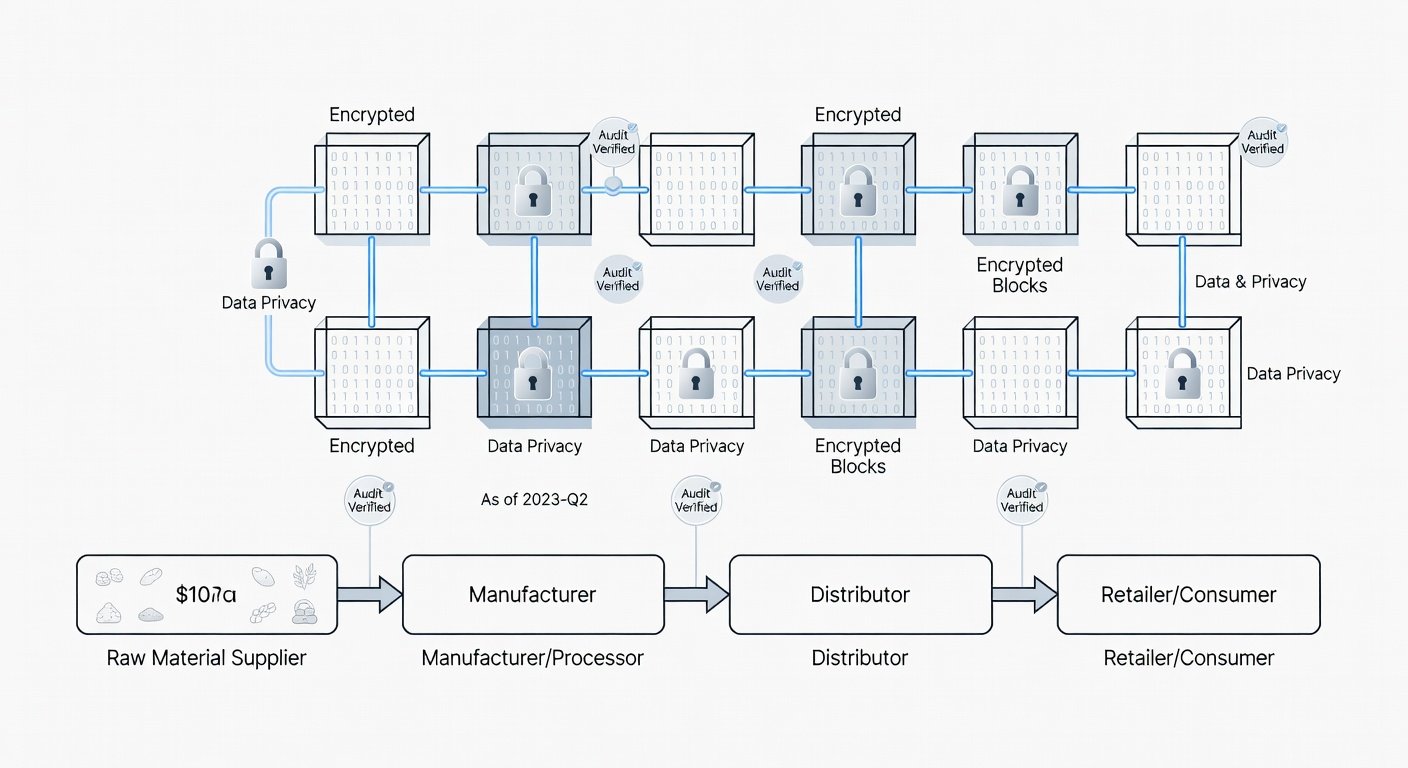
Effective third-party risk assessment begins with comprehensive vendor categorization based on data access levels and criticality. Organizations should implement tiered evaluation processes that combine automated scanning with manual reviews for high-risk partners. A robust framework typically starts with initial onboarding questionnaires covering security policies, incident history, and compliance certifications. Ongoing assessments incorporate external threat intelligence feeds to detect emerging issues such as data leaks or known vulnerabilities in vendor products. Key assessment components include data flow mapping to identify exactly what information is shared, security posture scoring using standardized questionnaires, continuous monitoring for changes in vendor risk profiles, and contractual requirements for breach notification timelines. IT leaders should also consider geopolitical factors when evaluating suppliers located in high-risk regions, as these can introduce additional regulatory and operational complexities.
Conducting Effective Vendor Audits
Regular vendor audits remain essential for maintaining supply chain integrity. Audits should evaluate technical controls, compliance with data privacy regulations, and incident response capabilities. Remote audit techniques combined with on-site visits for critical suppliers provide the most thorough coverage. Best practices include using standardized audit frameworks aligned with NIST guidelines and requiring remediation plans with defined timelines for any identified gaps. Auditors should focus on evidence of actual implementation rather than policy documentation alone. For example, reviewing access logs, encryption standards in use, and employee training records offers deeper insight into real-world practices. Organizations are increasingly adopting collaborative audit models where multiple clients share audit results through trusted platforms to reduce duplication of effort while maintaining confidentiality.
Comparing Supply Chain Monitoring Tools
IT leaders have access to a growing range of specialized platforms designed to provide real-time visibility into supply chain security. Leading solutions offer features such as automated risk scoring, dark web monitoring for vendor credentials, and integration with existing security information and event management systems. When evaluating tools, prioritize solutions that deliver actionable intelligence rather than raw data. Integration capabilities with existing governance, risk, and compliance platforms significantly improve operational efficiency. Popular options include platforms that specialize in software bill of materials analysis, those focused on hardware and firmware integrity, and comprehensive suites that combine both. Decision-makers should pilot multiple tools with a subset of vendors to assess usability, alert quality, and false positive rates before enterprise-wide deployment.
Practical Steps for Building Resilient Supply Chains
Organizations can strengthen their defenses by following a structured implementation roadmap. First, inventory all vendors and classify them by risk tier using criteria such as data sensitivity and business impact. Second, establish baseline security requirements in all contracts, including mandatory multi-factor authentication and regular penetration testing. Third, deploy continuous monitoring solutions across critical suppliers to detect anomalies early. Fourth, conduct tabletop exercises involving key supply chain partners to test response procedures. Fifth, develop contingency plans for rapid vendor replacement in case of severe incidents. Regular training for procurement and security teams ensures consistent application of these protocols across the organization. Additional steps include implementing zero-trust principles at every integration point and establishing secure communication channels for sharing threat intelligence with partners.
Advanced Techniques: Blockchain for Traceability
Blockchain technology offers promising capabilities for enhancing supply chain transparency and data integrity. By creating immutable records of every transaction and data exchange, organizations can verify the provenance of components and detect tampering attempts more effectively. Leading implementations combine blockchain with smart contracts to automate compliance checks and trigger alerts when anomalies are detected. While adoption requires careful planning, the technology provides a robust layer of defense against sophisticated supply chain attacks. Challenges include integration with legacy systems and the need for industry-wide standards, but early adopters in sectors like pharmaceuticals and aerospace have reported measurable improvements in traceability and trust among partners. IT leaders should evaluate permissioned blockchain networks that balance transparency with necessary access controls.
Data Privacy Protocols for Supply Chain Partners
Beyond technical controls, organizations must enforce consistent data privacy protocols across all supply chain entities. This includes defining clear data retention policies, implementing encryption for data in transit and at rest, and ensuring partners adhere to the same privacy standards required internally. Regular privacy impact assessments help identify where sensitive information might be exposed during vendor interactions. Training programs tailored for supplier staff on data handling best practices further reduce human-error risks that often lead to breaches.
Conclusion
Supply chain cyber risks demand a fundamental shift from perimeter-based security to ecosystem-wide data privacy protection. By combining rigorous assessments, continuous monitoring, and emerging technologies like blockchain, IT leaders can build resilient supply chains capable of withstanding 2026 threats. The investment in these strategies not only reduces breach likelihood but also strengthens overall business continuity and regulatory compliance.
FAQ
How often should vendor audits be performed?
High-risk vendors should undergo formal audits at least annually, with continuous monitoring in between. Medium-risk partners may be audited every 18 months depending on their access to sensitive data.
What compliance standards are most relevant for supply chain security?
Key frameworks include NIST Cybersecurity Framework, ISO 27001, and sector-specific regulations such as HIPAA or GDPR depending on the industry and geographic scope of operations.
Can small vendors realistically meet enterprise security requirements?
Yes, by adopting scalable solutions and participating in shared assessment platforms, smaller suppliers can achieve meaningful security improvements without excessive overhead or cost barriers.
How does blockchain improve supply chain security?
Blockchain creates tamper-proof records that enhance traceability, allowing organizations to quickly identify the source of compromised components or data and respond more effectively to incidents.
What are the biggest implementation challenges for new supply chain defenses?
Common challenges include gaining buy-in from diverse vendors, integrating new tools with legacy systems, and maintaining up-to-date risk profiles across a constantly changing supplier base.


No comments yet. Be the first!