 NeoBit Daily

Introduction to Secure Coding in 2026
As cyber threats evolve rapidly, developers must prioritize secure coding best practices from the earliest stages of application development. In 2026, integrating cybersecurity and data privacy is no longer optional—it is essential for preventing breaches and ensuring regulatory compliance. This comprehensive guide explores updated OWASP risks, common pitfalls, tool comparisons, real-world examples, and actionable checklists tailored for modern applications. Secure coding involves writing software that resists attacks such as injection flaws, broken authentication, and data exposure. By embedding these principles early, teams reduce vulnerabilities that hackers exploit. Organizations that fail to adopt these measures face not only financial losses but also severe reputational damage and legal penalties. OWASP remains the leading authority providing frameworks for identifying top risks. Developers today work in environments with microservices, APIs, and cloud infrastructure, making proactive security integration critical to long-term success.
Updated OWASP Top Risks for 2026
The OWASP Top 10 list continues to guide developers. Key risks in 2026 include broken access control, cryptographic failures, and insecure design. New emphases appear on supply chain vulnerabilities and API security due to increased cloud-native and microservices architectures. Developers should review the latest OWASP guidelines and map them to their codebases during planning phases. Broken access control remains a top concern because improper permission checks allow unauthorized users to access sensitive functions. Cryptographic failures often arise from weak algorithms or poor key management, exposing data in transit or at rest. Insecure design stems from failing to incorporate security requirements during the architecture phase. Supply chain attacks target dependencies, while API vulnerabilities enable data scraping and unauthorized access. To mitigate these, teams should perform threat modeling sessions at the start of each project and continuously monitor for new threats.
Common Pitfalls in Modern Applications
Many breaches stem from overlooked issues like hardcoded credentials, improper input validation, and inadequate logging. For instance, failing to sanitize user inputs can lead to SQL injection attacks that compromise entire databases. Another frequent mistake is neglecting third-party library updates, exposing apps to known exploits that have been publicly documented for months. Teams often overlook session management flaws, allowing attackers to hijack user sessions through predictable tokens. Inadequate error handling can leak stack traces containing sensitive system information. To address these, implement automated dependency scanning in every build pipeline and enforce strict coding standards that prohibit hardcoded secrets. Regular code audits help surface these weaknesses before they reach production environments.
SAST vs DAST: Tool Comparisons and Integration Strategies
Choosing between Static Application Security Testing (SAST) and Dynamic Application Security Testing (DAST) depends on project needs. SAST analyzes source code without execution, catching issues early in development. DAST tests running applications, simulating real attacks to find runtime vulnerabilities. SAST tools integrate well with IDEs for immediate feedback, while DAST excels at uncovering configuration errors in production-like environments. Many organizations combine both for comprehensive coverage. Evaluate tools based on language support, false positive rates, and integration ease with CI/CD pipelines. For example, SAST might flag potential buffer overflows during the coding phase, whereas DAST could reveal how an authenticated user bypasses authorization checks in a live deployment. Practical implementation involves running SAST on every commit and scheduling DAST scans after staging deployments. This dual approach reduces remediation costs significantly because issues are identified at the most appropriate stage. 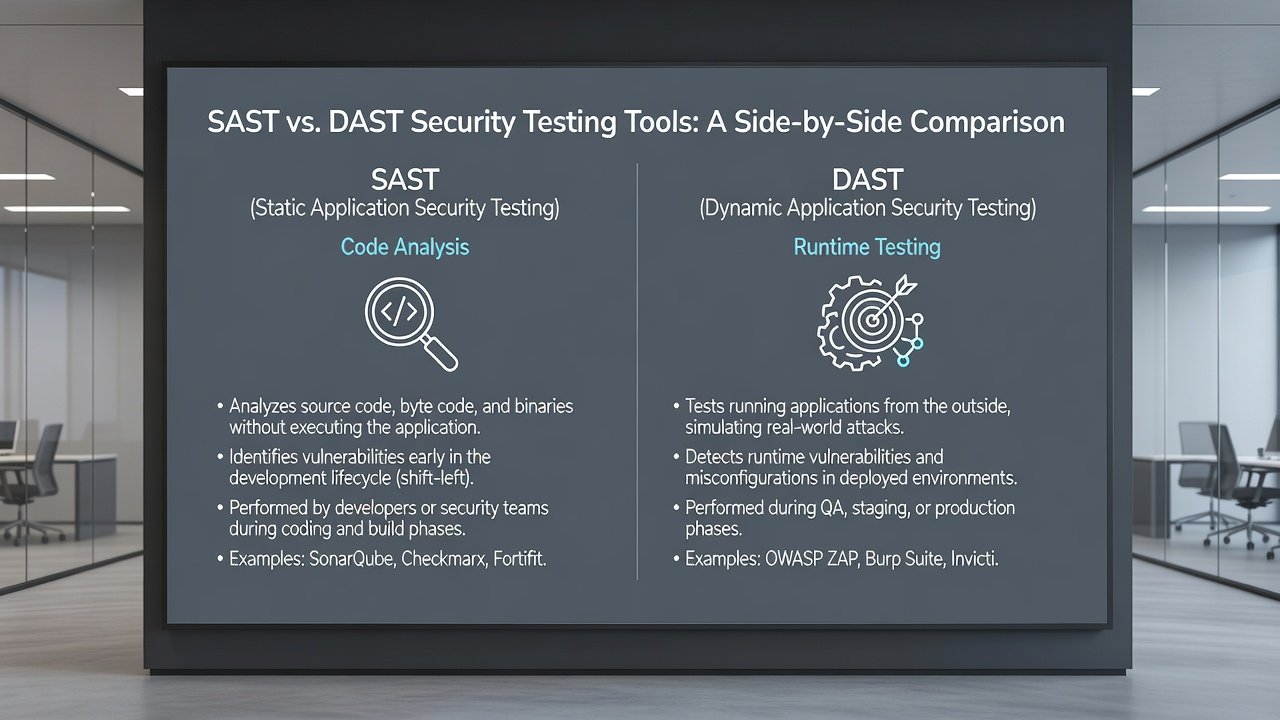
Real-World Examples of Breaches from Poor Coding
High-profile incidents highlight the cost of insecure code. The 2024 MOVEit supply chain attack exploited unpatched vulnerabilities in file transfer software, affecting millions of organizations worldwide and demonstrating how a single dependency flaw can cascade into massive data exposure. Similarly, data leaks from misconfigured APIs demonstrate how poor input handling exposes sensitive information such as personal identifiers and financial records. Another notable case involved a major retailer whose e-commerce platform suffered an injection attack due to unsanitized form fields, resulting in the theft of customer payment details. These cases underscore the need for proactive secure coding to avoid financial and reputational damage. Lessons from these breaches include the importance of regular penetration testing and maintaining an up-to-date inventory of all software components.
Strategies for Compliance with Evolving Privacy Laws
Regulations like GDPR, CCPA, and emerging global standards require data minimization and consent management. Developers should implement privacy-by-design principles, such as encrypting data at rest and in transit. Regular privacy impact assessments help maintain compliance as laws update. NIST provides frameworks that align well with these requirements. Additional steps include implementing data retention policies that automatically purge unnecessary records and providing users with clear mechanisms to exercise their rights to access or delete personal information. In 2026, organizations must also prepare for new regional laws that emphasize cross-border data transfers and algorithmic transparency. Integrating these controls early prevents costly retrofits later in the development lifecycle.
Actionable Checklists for Code Reviews and Testing
Effective code reviews incorporate security checkpoints at multiple levels. Use the following checklist during every pull request review:
- Review for input sanitization and output encoding on all user-facing endpoints.
- Verify authentication mechanisms use multi-factor options and avoid session fixation.
- Scan dependencies with automated tools for known CVEs.
- Implement least-privilege access controls throughout the application.
- Log security events without exposing sensitive data.
- Conduct penetration testing quarterly and after major releases.
Additionally, maintain a separate testing checklist that covers both automated and manual processes. This includes verifying that all external APIs enforce rate limiting, confirming that error messages do not reveal internal architecture details, and ensuring that cryptographic functions use approved algorithms with sufficient key lengths. Document all findings and track remediation timelines to build a measurable security posture over time.
Beginner-Friendly Implementation Tips and DevOps Integration
Start by adopting secure coding standards in your team's style guide. Use frameworks with built-in security features, such as parameterized queries. Practice threat modeling during design sprints to anticipate risks. For testing, begin with free open-source scanners before scaling to enterprise solutions. Training resources from CISA offer excellent starting points for new developers. To integrate security into DevOps workflows, embed security gates directly into continuous integration pipelines so that builds fail automatically when critical vulnerabilities are detected. Encourage developers to participate in secure coding workshops and maintain a shared knowledge base of past incidents and their resolutions. Over time, this creates a culture where security becomes a natural part of daily development rather than an afterthought.
FAQ: Addressing Integration Challenges
How do I integrate security into agile sprints without slowing velocity?
Incorporate automated security scans into CI/CD pipelines for seamless checks. Allocate dedicated time in retrospectives for security debt reduction and prioritize high-impact fixes first.
What if my team lacks security expertise?
Partner with external auditors initially and invest in ongoing training. Tools with intuitive interfaces lower the barrier for beginners while providing detailed remediation guidance.
How often should code reviews include security focus?
Every pull request should undergo security review, supplemented by monthly deep-dive audits that examine architectural patterns and emerging threat vectors.
Which tools are recommended for teams new to secure coding?
Begin with widely adopted open-source options that support your primary programming languages, then evaluate commercial platforms as your security maturity increases.
How can privacy requirements be balanced with feature development?
Include privacy considerations in the initial requirements gathering phase so that features are designed with data protection built in from the start.
Conclusion
Adopting secure coding best practices in 2026 protects applications against sophisticated threats while supporting data privacy goals. By addressing OWASP risks, leveraging SAST and DAST effectively, learning from past breaches, and maintaining compliance, developers build resilient systems. Use the provided checklists to start implementing today and foster a culture of security-first development that scales with your organization's growth.


No comments yet. Be the first!