 NeoBit Daily
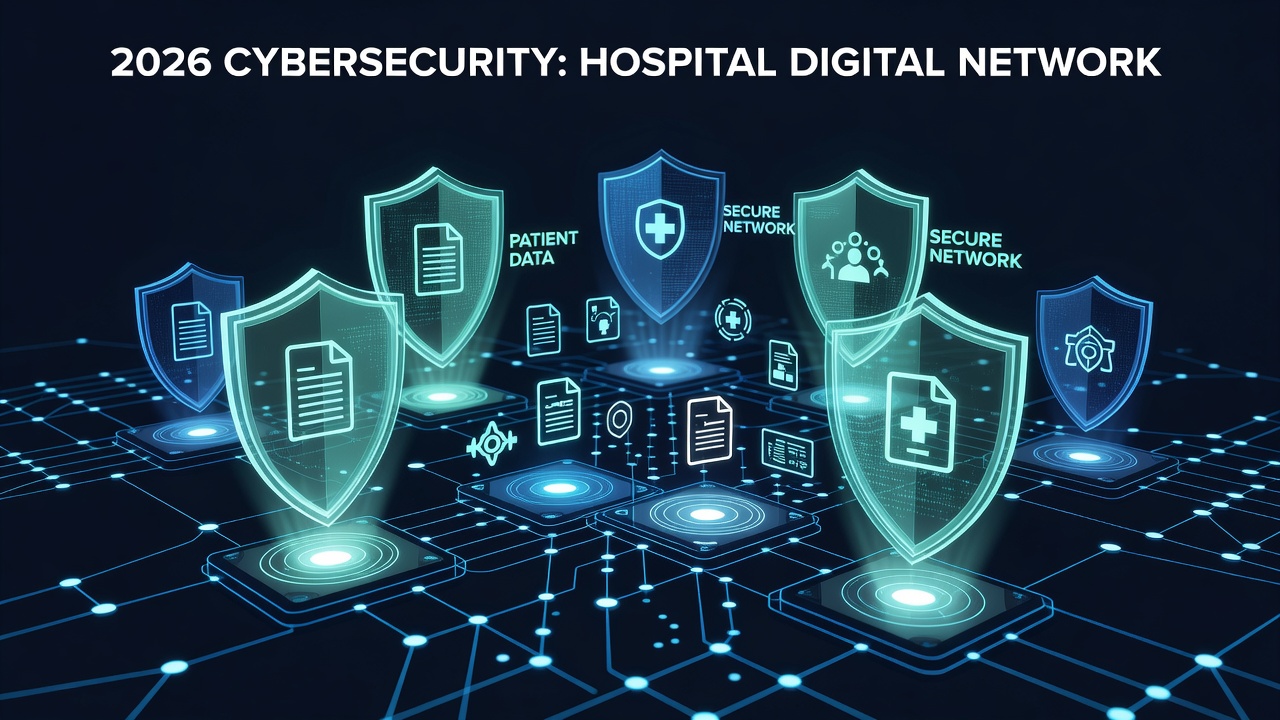
Introduction to Healthcare Cybersecurity in 2026
The healthcare sector faces unprecedented challenges in protecting sensitive patient information as digital transformation accelerates. In 2026, emerging threats demand proactive strategies to maintain trust and regulatory compliance. Hospitals, clinics, and telehealth providers now rely on interconnected systems that include electronic health records, Internet of Medical Things devices, and cloud-based platforms. This guide examines key risks in depth and provides actionable advice for IT leaders and data privacy officers seeking to build resilient defenses. The increasing volume of data exchanged across networks heightens exposure, while sophisticated adversaries continue to evolve their tactics. Understanding these dynamics is essential for organizations aiming to prevent disruptions that could directly impact patient care and institutional reputation.
Emerging Cybersecurity Risks in Healthcare
Healthcare organizations manage vast amounts of electronic health records, making them prime targets for cybercriminals. Rising interconnected medical devices and telehealth platforms expand the attack surface dramatically. Ransomware remains a dominant concern, often disrupting critical services and endangering lives by locking access to vital systems. Supply chain attacks targeting third-party vendors have also gained prominence, allowing attackers to infiltrate multiple facilities through a single compromised partner. Additionally, the proliferation of remote work among medical staff introduces new endpoints that require constant monitoring. Organizations must anticipate how artificial intelligence-driven attacks could automate reconnaissance and exploit vulnerabilities at scale in the coming years.
Common Attack Vectors: Ransomware and Phishing
Ransomware attacks on hospital networks frequently encrypt essential systems, forcing ransom payments or operational halts that delay surgeries and emergency responses. Attackers often gain initial access through weak remote desktop protocols or unpatched servers. Phishing campaigns targeting medical staff exploit human error through deceptive emails mimicking trusted sources such as insurance companies or equipment suppliers. These messages may contain malicious attachments that install keyloggers or credential stealers. Implementing employee training and email filtering reduces these risks significantly, yet ongoing vigilance is required because attackers refine their social engineering techniques regularly. Real-world examples show that even well-trained teams can fall victim when messages appear highly personalized.

Compliance with Evolving Privacy Regulations
Adhering to standards like HIPAA remains essential for U.S. providers. Organizations must monitor updates from regulatory bodies to avoid substantial penalties. HHS guidelines provide foundational resources on safeguarding protected health information. Regular audits ensure alignment with international frameworks such as GDPR for global operations. In addition, the NIST Cybersecurity Framework offers structured guidance that many hospitals adapt for risk management. NIST resources help translate technical controls into measurable compliance outcomes. Failure to evolve with these regulations can result in fines, loss of accreditation, and erosion of patient trust that takes years to rebuild.
Implementing Robust Access Controls
Role-based access and multi-factor authentication limit unauthorized data exposure across clinical and administrative systems. Zero-trust architectures verify every request regardless of network location, minimizing insider threats and lateral movement by attackers. Hospitals adopting these measures report fewer breaches because every user session undergoes continuous validation. Practical implementation includes privileged access management tools that log and review administrator activities. Staff should receive clear policies on password hygiene and session timeouts. Integration with identity providers streamlines workflows while maintaining security, and regular access reviews prevent dormant accounts from becoming entry points.
Leveraging AI for Threat Detection
Artificial intelligence enables real-time anomaly detection in network traffic and user behavior. Machine learning models identify unusual patterns faster than traditional signature-based methods, allowing security teams to respond before damage escalates. Integration with existing security information and event management systems enhances response times by prioritizing alerts. Hospitals using AI-driven solutions have detected sophisticated phishing attempts and ransomware precursors that would otherwise go unnoticed. However, effective deployment requires high-quality training data and ongoing model tuning to reduce false positives that could overwhelm analysts. Collaboration between clinical informatics and cybersecurity teams ensures AI tools align with healthcare-specific workflows.
Practical Steps for Vulnerability Assessments
Conducting thorough assessments involves these steps:
- Inventory all connected devices and systems, including legacy equipment still in use.
- Perform automated scans using industry-standard tools calibrated for medical environments.
- Prioritize vulnerabilities by potential impact on patient care and data confidentiality.
- Remediate issues through patching, segmentation, or compensating controls and retest within defined timelines.
- Document findings for compliance reporting and continuous improvement cycles.
- Engage third-party assessors annually to validate internal efforts and uncover blind spots.
These assessments should occur quarterly at minimum, with more frequent checks following major system changes or known threat spikes.
Real-World Case Studies from Recent Incidents
Analysis of past breaches reveals patterns, such as unpatched systems enabling ransomware entry through remote access portals. One large hospital network experienced weeks of diverted emergency patients after encryption of its electronic records platform. Lessons from affected facilities emphasize rapid incident response plans and offline backup strategies that allow restoration without paying ransoms. Another case involved a phishing attack that compromised a vendor portal, exposing records of thousands of patients across multiple states. Organizations that invested in network segmentation recovered faster because the breach remained contained. These examples underscore the importance of tabletop exercises that simulate realistic attack scenarios and test cross-departmental coordination.
Comparison of Security Tools for Hospitals
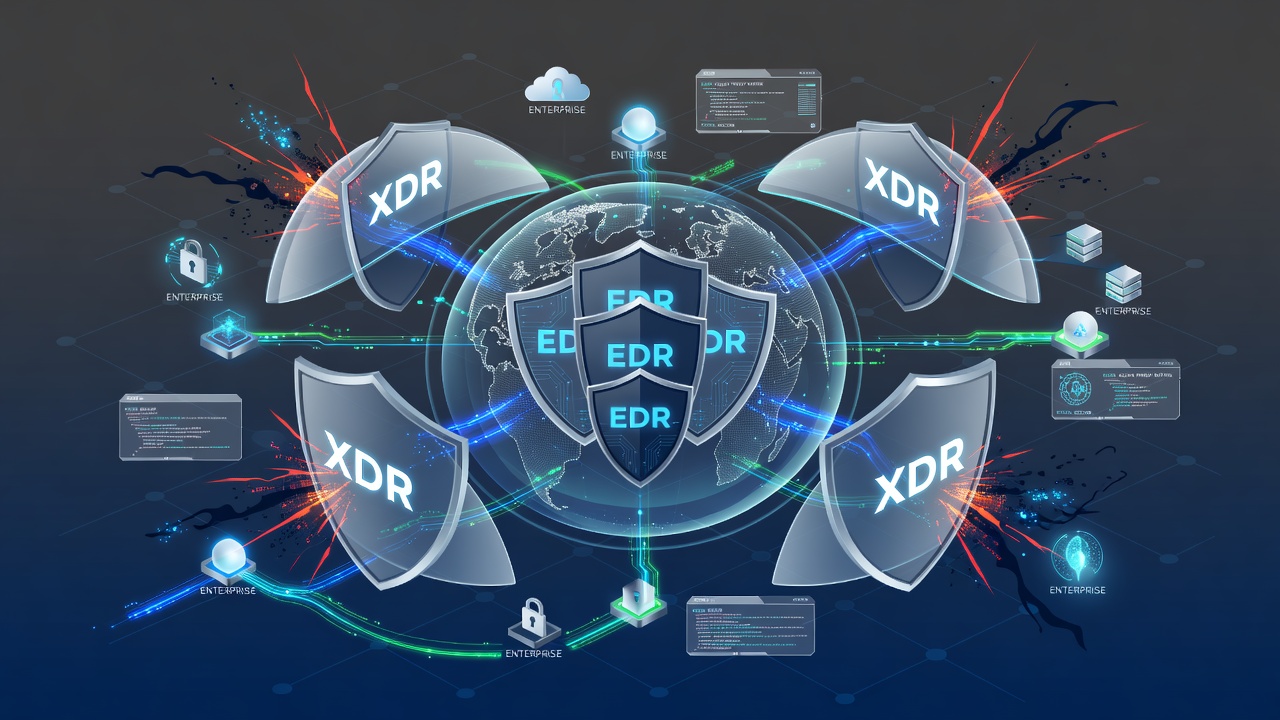
Evaluating solutions requires assessing scalability, integration ease, and support for medical workflows that cannot tolerate downtime. Endpoint detection platforms often outperform basic antivirus in dynamic environments by using behavioral analysis. SIEM tools provide centralized visibility across disparate systems, while encryption services safeguard data at rest and in transit. Decision-makers should pilot options tailored to hospital size and infrastructure before full deployment. Key comparison factors include ease of updating medical device firmware, compatibility with electronic health record vendors, and vendor support response times during incidents. Tools that offer healthcare-specific modules for regulatory reporting deliver additional value.
Mistakes to Avoid in Healthcare Cybersecurity
Common pitfalls include underestimating the human element by providing only one-time security training instead of continuous education. Another frequent error is neglecting legacy medical devices that cannot receive modern patches, leaving them as persistent weak points. Over-reliance on perimeter defenses without internal segmentation allows attackers who gain initial access to move freely. Finally, failing to test incident response plans regularly results in chaotic reactions during actual events. Addressing these issues proactively strengthens overall posture.
Conclusion
Safeguarding patient data in 2026 requires a multifaceted approach combining technology, policy, and training. By addressing risks head-on with structured assessments, modern controls, and AI augmentation, healthcare providers can protect privacy and maintain operational resilience amid evolving threats.
FAQ
What are the top threats to healthcare data in 2026?
Ransomware and phishing lead the list, often combined with supply chain vulnerabilities and attacks on connected medical devices.
How can hospitals improve compliance?
Through regular training, policy updates, and leveraging resources from CISA alongside internal audits.
Is AI effective for threat detection?
Yes, when properly integrated with quality data, it accelerates identification of sophisticated attacks while reducing manual workload.
What should be included in a vulnerability assessment?
Device inventories, automated scanning, risk prioritization, remediation tracking, and third-party validation form the core elements.
How often should staff receive cybersecurity training?
Quarterly sessions with simulated phishing exercises help maintain awareness and adapt to new attack methods.
No comments yet. Be the first!