 NeoBit Daily

Introduction to Edge Computing Cybersecurity
Edge computing processes data closer to its source, reducing latency and enabling real-time decisions across IoT devices, 5G networks, and distributed systems. As organizations adopt this model in 2026, cybersecurity challenges intensify while new opportunities for data privacy emerge. This guide examines the dual nature of edge environments, providing actionable strategies to protect against unauthorized access and hacks. Beginners will find clear explanations of how distributed processing changes the threat landscape, while experienced professionals can extract detailed implementation steps and audit frameworks.
The rapid growth of edge deployments means more devices operate outside traditional data centers. This shift brings both efficiency gains and heightened exposure to physical and network-based attacks. Privacy benefits arise because sensitive information can stay local, reducing the volume of data traveling over public networks. However, without proper controls, these same distributed nodes become prime targets for attackers seeking to intercept or manipulate information at the source.
Understanding Edge Computing Risks and Benefits
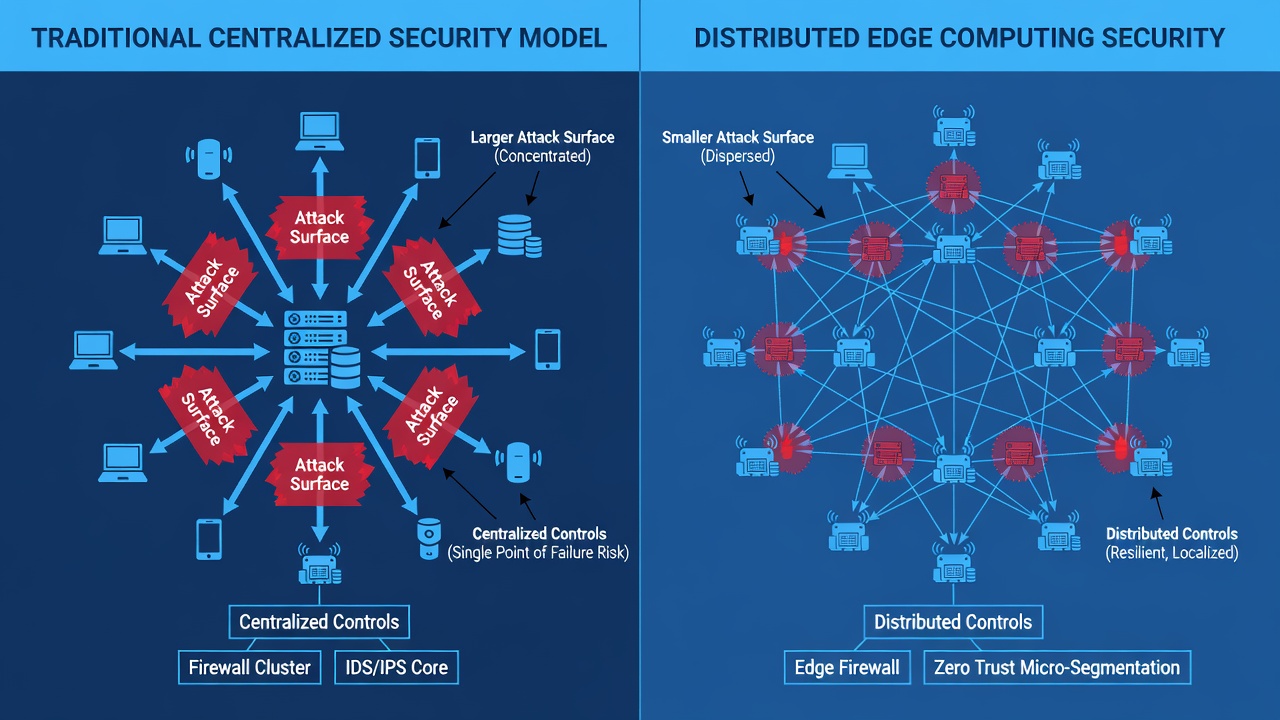
Unlike centralized cloud systems, edge nodes operate in diverse physical locations with varying security controls. This distribution expands the attack surface, introducing risks such as physical tampering, inconsistent patching, and supply-chain vulnerabilities in device firmware. Attackers may exploit unmonitored locations or use social engineering to gain access to remote gateways. On the positive side, localized processing can enhance privacy by minimizing data transmission to central servers, keeping sensitive information within jurisdictional boundaries and lowering exposure during transit.
Real-world deployments in manufacturing plants and smart cities demonstrate these trade-offs. A factory using edge analytics for predictive maintenance processes sensor data on-site, cutting response times dramatically. Yet if one node lacks encryption, an intruder could alter readings and cause operational failures. Organizations must weigh these factors when designing architectures that balance speed with protection.
Traditional vs Edge Security Models
Traditional models rely on perimeter defenses around data centers. Edge security requires zero-trust architectures at every node. Key differences include centralized logging versus distributed threat detection and uniform policies versus adaptive, context-aware controls. Organizations must shift from reactive measures to proactive, AI-driven monitoring to address these gaps. In traditional setups, a single firewall can protect the core, but edge environments demand encryption, authentication, and anomaly detection on thousands of individual devices.
Another distinction lies in update management. Centralized clouds allow rapid patch deployment across all instances, whereas edge devices often run in remote areas with limited connectivity. This leads to longer vulnerability windows. Decision-makers should consider hybrid approaches that combine cloud oversight with edge autonomy, ensuring policies remain consistent while allowing local flexibility.
Common Misconfigurations in Edge Environments
Misconfigurations remain a leading cause of breaches. Typical issues include default credentials on edge devices, unencrypted data flows between nodes, and inadequate network segmentation. To mitigate these, implement automated configuration scanning tools and enforce strict access policies from deployment. Additional problems arise from overly permissive API endpoints, missing multi-factor authentication on management consoles, and failure to isolate edge traffic from corporate networks. Each of these can be addressed through standardized templates and continuous compliance checks.
Real-World 2026 Hacking Examples
In early 2026, reports highlighted incidents involving compromised smart city sensors where attackers exploited weak firmware updates at the edge. Another case involved retail IoT devices leaking customer data due to exposed APIs. These examples underscore the need for continuous vulnerability management in distributed setups. A third incident saw a healthcare edge gateway breached through an unpatched operating system component, allowing lateral movement into patient records. Such events illustrate how seemingly minor oversights at the periphery can cascade into major privacy violations.
Step-by-Step Implementation Advice
Follow these steps for robust protection. First, conduct a full inventory of all edge hardware and software components, documenting their locations and data flows. Second, establish a zero-trust framework by requiring continuous verification of every device and user. Third, apply encryption to all data both at rest and in transit, preferring protocols such as TLS 1.3. Fourth, integrate real-time threat intelligence feeds that correlate signals from multiple nodes. Fifth, schedule regular penetration testing that specifically targets edge vectors and physical access scenarios. Sixth, develop role-based access controls that limit privileges to the minimum necessary. Seventh, train staff on recognizing social engineering attempts aimed at remote sites. Eighth, automate patch deployment where connectivity allows and create fallback procedures for offline devices. Ninth, monitor logs centrally while preserving local analysis capabilities for resilience. Tenth, review and update incident response plans to account for distributed recovery procedures.
Mistakes to Avoid
Many teams overlook the importance of physical security at edge sites, leaving devices accessible in public or semi-public spaces. Another frequent error is assuming cloud-native tools will work unchanged on constrained hardware, resulting in performance bottlenecks or incomplete coverage. Teams also neglect to test failover mechanisms, discovering too late that a single compromised node can disrupt an entire regional cluster. Finally, skipping documentation of data residency requirements often leads to compliance failures during audits.
Audit Checklist for Edge Security
- Verify firmware and software updates across all nodes
- Review access controls and revoke unnecessary permissions
- Ensure encryption standards meet current compliance requirements
- Test incident response plans for distributed scenarios
- Monitor for anomalies using AI analytics
- Document data flow paths for privacy audits
- Confirm physical security measures at every deployment site
- Validate network segmentation between edge and core systems
- Assess third-party vendor access and supply-chain risks
- Evaluate logging retention policies against regulatory mandates
Tools and Technologies for Edge Protection
Modern solutions combine lightweight agents with centralized orchestration platforms. Open-source projects offer strong foundations for device authentication, while commercial offerings provide advanced behavioral analytics. Integration with existing SIEM systems allows unified visibility. When selecting tools, prioritize those with proven support for intermittent connectivity and low-resource footprints.
Business Impact of Strong Edge Security
Robust measures reduce downtime costs and protect brand reputation. They also enable faster adoption of new services that rely on real-time data. Conversely, weak controls can trigger regulatory fines and loss of customer trust. Leaders who invest early in edge-specific security often gain competitive advantages through reliable, privacy-respecting offerings.
FAQ on Compliance and Data Privacy
How does edge computing affect GDPR compliance?
Localized processing can simplify data residency but requires careful mapping of data flows to avoid cross-border violations. Organizations should maintain detailed records of where personal data is processed and ensure each node adheres to the same consent and deletion rules applied centrally.
What are the best practices for preventing unauthorized access?
Use device authentication, network micro-segmentation, and continuous monitoring to limit exposure at the edge. Combine these with regular access reviews and just-in-time privilege grants.
Are there specific regulations for edge environments in 2026?
Frameworks from bodies like NIST provide updated guidelines, while CISA emphasizes resilience in critical infrastructure. Additional guidance appears in evolving standards from ISO that address distributed systems.
How should organizations handle incident response across multiple edge sites?
Establish regional response teams equipped with portable forensic kits and pre-approved escalation paths to central command. Practice tabletop exercises that simulate simultaneous compromises at several locations.
Conclusion
Edge computing cybersecurity demands a balanced approach that addresses new risks while leveraging privacy advantages. By following the outlined strategies, organizations can build resilient systems that safeguard data in distributed 2026 environments. Regular audits and adaptive measures will remain essential for long-term protection and sustained business value.


No comments yet. Be the first!