 NeoBit Daily

Introduction to Cyber Espionage in 2026
State-sponsored cyber espionage has intensified dramatically in 2026, with nation-state actors targeting both corporate networks and individual data repositories at unprecedented scales. Organizations and individuals must shift from reactive security postures to proactive defense strategies that emphasize stealth detection and layered protections. This guide delivers practical, step-by-step tactics aligned with current search intent for identifying hidden threats and safeguarding sensitive information. In an era where data equals power, understanding these evolving risks is essential for maintaining privacy and competitive edges across industries.
Understanding the Surge in State-Sponsored Threats
In 2026, advanced persistent threats (APTs) from groups backed by major governments have evolved to exploit zero-day vulnerabilities and AI-driven social engineering. Unlike traditional cybercriminals motivated by quick financial gains, these actors focus on long-term data exfiltration for geopolitical advantage. Real-world examples include the infiltration of semiconductor supply chains in early 2026, where espionage groups maintained undetected access for months to steal proprietary chip designs. The motivations often stem from economic espionage aimed at accelerating national technological development, making every connected device a potential vector. Businesses in sectors like finance, healthcare, and manufacturing face heightened risks due to the high value of intellectual property and personal records.
Detection Techniques for Advanced Persistent Threats
Effective APT detection requires continuous monitoring and behavioral analytics. Begin by implementing endpoint detection and response (EDR) tools that flag anomalous network traffic. Next, deploy user and entity behavior analytics (UEBA) to identify deviations from normal patterns, such as unusual data transfers during off-hours. Integrate machine learning models that can spot subtle indicators of compromise over extended periods.
Step-by-step detection process:
- Establish baseline network activity using SIEM platforms over a minimum 30-day period.
- Integrate threat intelligence feeds from government sources to correlate known APT signatures.
- Conduct regular red-team exercises to simulate espionage tactics and test response times.
- Monitor for living-off-the-land techniques where attackers use legitimate tools like PowerShell or remote desktop protocols.
- Implement file integrity monitoring to detect unauthorized changes in critical system files.
- Review logs for command-and-control communications disguised as normal HTTPS traffic.
Comparisons to traditional hacking reveal that espionage campaigns avoid noisy ransomware tactics, instead prioritizing stealth and persistence to avoid detection for months or years.
Encryption Best Practices
Robust encryption remains foundational to any defense strategy. Adopt end-to-end encryption for all data in transit and at rest, prioritizing post-quantum algorithms to future-proof against emerging decryption capabilities. Rotate encryption keys quarterly and enforce multi-factor authentication on key management systems. Organizations should conduct regular audits of encryption implementations to ensure compliance with evolving standards and avoid weak cipher suites that could be exploited.
Additional considerations include using hardware security modules for key storage and segmenting encrypted data across multiple cloud providers to reduce single points of failure. Training teams on proper key handling prevents human error from undermining these protections.
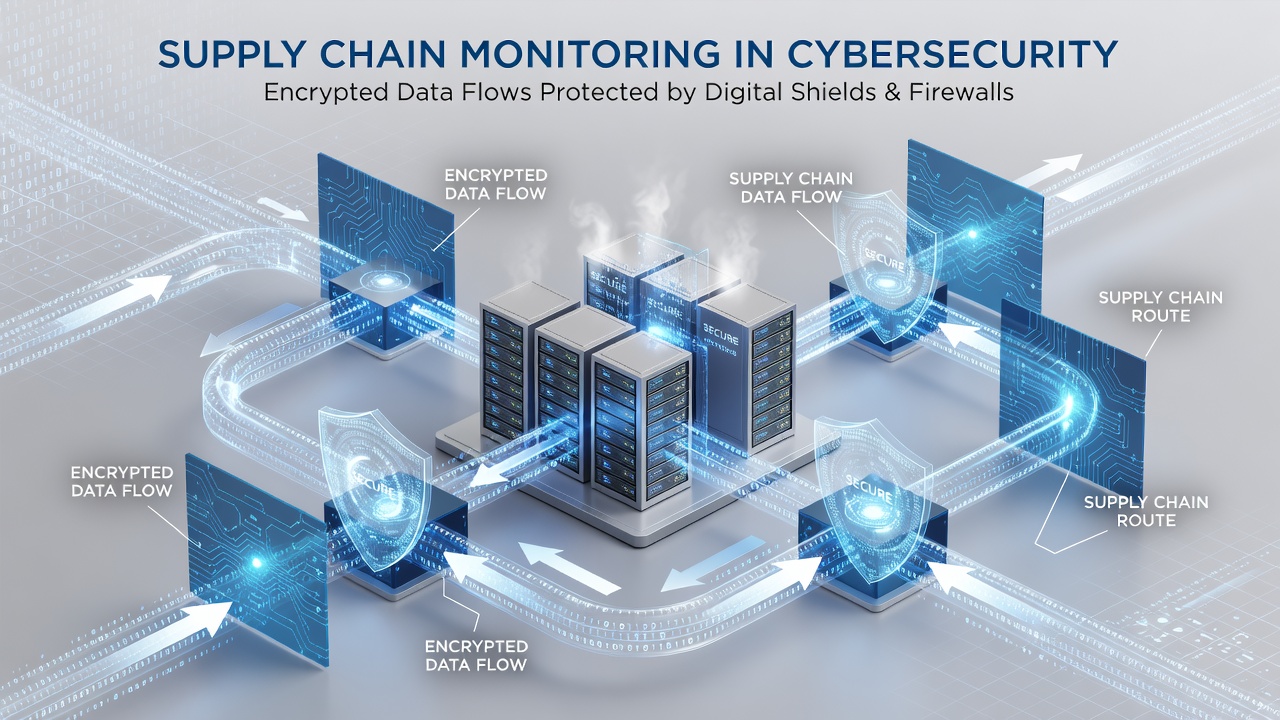
Supply Chain Monitoring Strategies
Third-party vendors represent prime entry points for state actors. Implement continuous vendor risk assessments and require software bill of materials (SBOM) documentation from all suppliers. Use automated scanning tools to detect compromised components before integration into production environments. Establish contractual obligations that mandate immediate notification of any suspected breaches in vendor systems.
Practical steps include mapping the entire supply chain digitally, performing penetration tests on high-risk partners annually, and maintaining an approved vendor list with strict onboarding criteria. This approach has proven effective in preventing lateral movement from initial compromises.
Step-by-Step Defense Implementation
Follow this phased approach for comprehensive protection:
- Phase 1: Audit current assets and classify data sensitivity levels using a tiered system from public to highly confidential.
- Phase 2: Deploy zero-trust architecture across all environments, verifying every access request regardless of origin.
- Phase 3: Train staff on recognizing spear-phishing attempts common in espionage through simulated exercises and ongoing awareness programs.
- Phase 4: Establish incident response playbooks tailored to data exfiltration scenarios, including isolation procedures and forensic preservation protocols.
- Phase 5: Regularly update and patch systems while monitoring for shadow IT that could introduce vulnerabilities.
Real-World 2026 Case Examples
One documented case involved a European automotive firm whose R&D servers were compromised via a compromised firmware update from a supplier, leading to the theft of autonomous vehicle algorithms. Another highlighted a healthcare provider targeted through cloud misconfigurations, resulting in the theft of patient genomic data over several months. A third example from the energy sector showed how attackers used compromised industrial control systems to map critical infrastructure without triggering alarms. These incidents underscore the need for vigilant third-party oversight and rapid response capabilities.
Comparison to Traditional Hacking
Traditional hacking often involves overt attacks like DDoS or ransomware for immediate ransom. Cyber espionage, by contrast, emphasizes prolonged access and selective data harvesting without triggering alarms. Defenses must therefore prioritize anomaly detection over perimeter blocking alone. The patience of state actors means that indicators of compromise may appear benign until correlated across multiple data sources.
Proactive Measures for Individuals and Businesses
Individuals can start by using virtual private networks for all public Wi-Fi connections and enabling device encryption by default. Businesses benefit from adopting frameworks like the NIST Cybersecurity Framework to standardize defenses. Regular tabletop exercises help teams practice responses to simulated espionage scenarios, building muscle memory for real events.
Conclusion
By combining advanced detection, strong encryption, and rigorous supply chain oversight, businesses and individuals can significantly mitigate 2026 cyber espionage risks. Proactive measures protect data privacy while maintaining operational resilience in an increasingly hostile digital landscape.
FAQ
How can small businesses defend against state-sponsored espionage? Start with free resources from CISA and implement basic zero-trust principles.
What role does encryption play in 2026 defenses? It prevents data usability even if exfiltration occurs, especially with updated standards from NIST.
Are individuals at risk? Yes, through targeted phishing; use password managers and enable 2FA universally.
How often should supply chain audits occur? At minimum quarterly, with continuous automated monitoring recommended for high-value partners.
No comments yet. Be the first!