 NeoBit Daily
Introduction to 5G Network Security in 2026
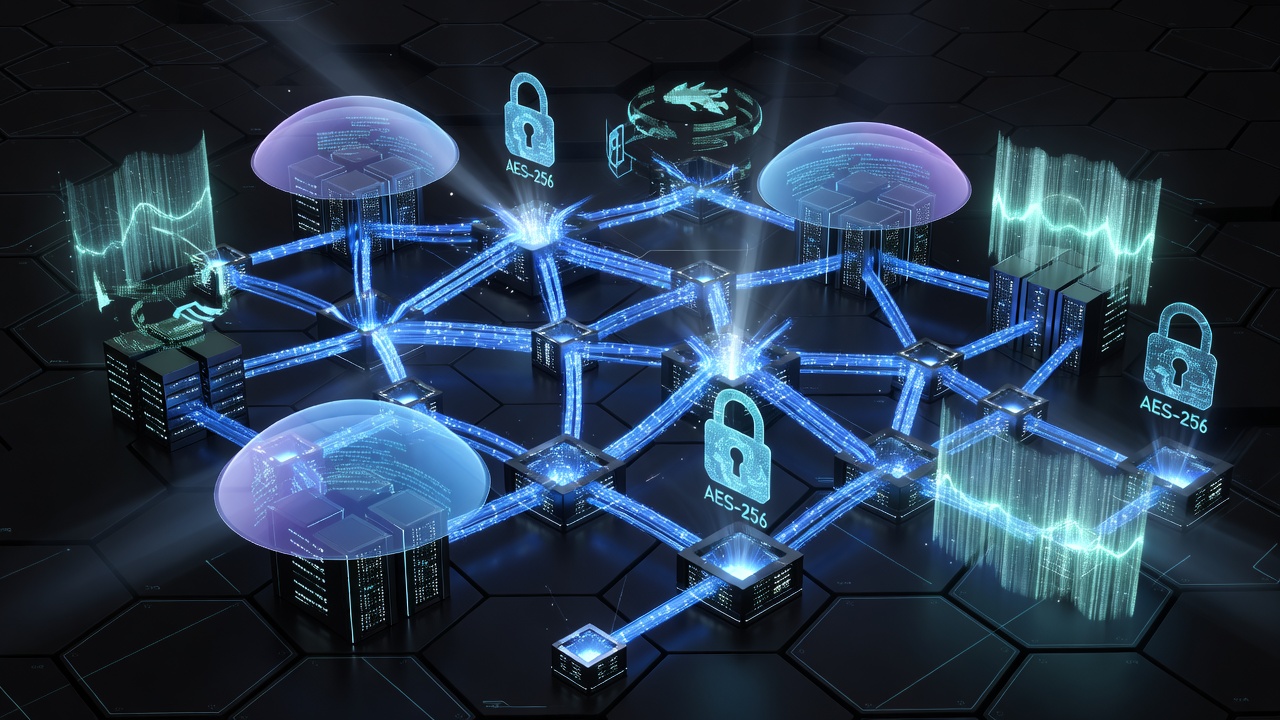
As 5G networks continue to expand globally, they bring unprecedented speed and connectivity but also introduce significant data privacy challenges. In 2026, organizations and individuals must navigate an evolving threat landscape that includes expanded attack surfaces, edge computing vulnerabilities, and sophisticated interception risks. This guide provides in-depth analysis and actionable strategies to mitigate these issues while helping readers understand how 5G fundamentally changes the way data moves across networks.
Businesses relying on 5G for IoT devices, autonomous systems, and remote operations face heightened exposure. Understanding these risks is essential for maintaining compliance and protecting sensitive information. The rapid rollout of 5G infrastructure means that many companies are still catching up on security protocols, leaving gaps that malicious actors are quick to exploit. Forward-looking organizations are investing in integrated security frameworks that evolve alongside the technology itself.
Comparing 5G Security to Previous Network Generations
Unlike 4G and earlier generations, 5G features network slicing, massive MIMO, and extensive edge computing. These advancements create more entry points for attackers. While 4G primarily relied on centralized core networks with fewer endpoints, 5G distributes processing closer to users, increasing the potential for localized breaches. Legacy systems often lacked the virtualization layers that now require new encryption protocols and zero-trust architectures. The shift from hardware-centric to software-defined networking in 5G also means that updates and patches must be applied more frequently across virtualized environments.
Previous generations benefited from simpler topologies that limited the blast radius of any single compromise. In contrast, 5G's support for ultra-reliable low-latency communications enables mission-critical applications such as remote surgery and vehicle-to-everything communication, raising the stakes when security fails. Organizations transitioning from 4G must therefore redesign their entire security posture rather than simply layering new tools onto old frameworks.
Key Vulnerabilities and Emerging Threats
Expanded attack surfaces represent one of the most pressing concerns. With billions of connected devices, each IoT sensor or smart endpoint becomes a potential vector. Edge computing threats arise because data processing occurs at the periphery rather than in secure central clouds, making real-time interception more feasible. Interception risks have grown due to the use of millimeter-wave frequencies and beamforming, which can be exploited through advanced signal jamming or rogue base stations. Recent reports highlight how state-sponsored actors have targeted 5G infrastructure in critical sectors including energy, finance, and transportation.
Additional threats include supply-chain attacks on 5G equipment vendors and the increased use of artificial intelligence by adversaries to automate reconnaissance and exploit discovery. Because 5G networks handle vastly larger volumes of metadata, even anonymized traffic patterns can reveal sensitive behavioral information about users and organizations.
Real-World Hacking Examples and Case Studies
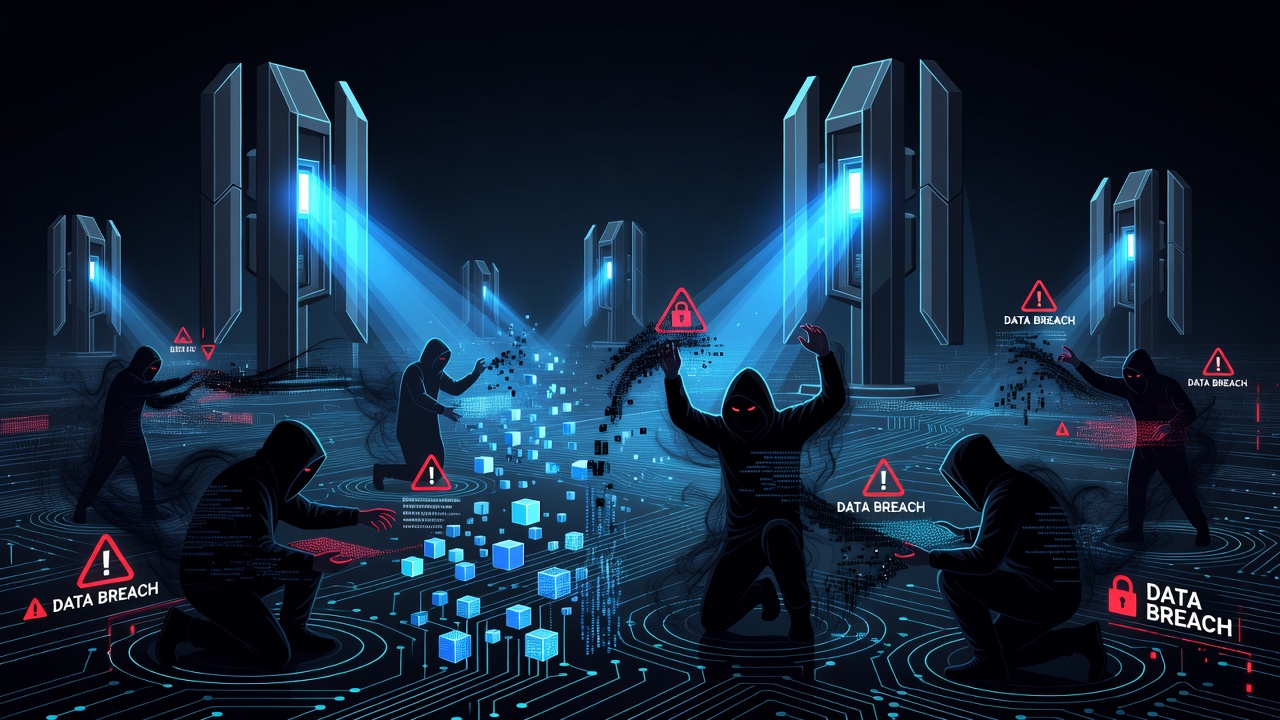
In early 2026, a major logistics firm experienced a breach where edge nodes in its 5G-enabled fleet management system were compromised, exposing shipment data for thousands of customers. Attackers leveraged unpatched firmware on roadside units to pivot into the central control platform. Another incident involved a healthcare provider whose 5G-connected medical devices were intercepted during transmission, underscoring the need for robust authentication. A third case saw a smart-city initiative in Europe suffer a distributed denial-of-service attack that originated from compromised 5G IoT sensors, disrupting traffic management systems for several hours.
These cases demonstrate that even well-funded enterprises can fall victim without proactive measures. Lessons from such events emphasize the importance of continuous monitoring and rapid patching. Post-incident analyses consistently reveal that basic hygiene practices such as network segmentation and multi-factor authentication could have prevented or contained most of the damage.
Practical Steps to Secure 5G Deployments
Implementing strong security requires a multi-layered approach. Follow this checklist for effective protection:
- Conduct comprehensive risk assessments of all 5G-connected assets before deployment, mapping every data flow and identifying high-value targets.
- Adopt zero-trust frameworks that verify every device and user continuously, eliminating implicit trust based on network location.
- Encrypt data at rest and in transit using the latest quantum-resistant algorithms to future-proof against emerging decryption capabilities.
- Segment networks through virtualization to limit lateral movement by attackers and contain potential breaches within isolated slices.
- Deploy AI-driven threat detection tools tailored for 5G traffic patterns, enabling real-time anomaly identification at scale.
- Regularly audit edge computing nodes and update firmware promptly, establishing automated patch management pipelines.
- Train staff on recognizing phishing attempts targeting 5G credentials and conduct periodic tabletop exercises simulating 5G-specific attack scenarios.
- Integrate security orchestration platforms that correlate signals across radio access networks, core infrastructure, and application layers.
Actionable Security Tips for Businesses and Individuals
Businesses should partner with trusted vendors compliant with international standards and integrate security into every phase of network rollout. This includes performing vendor security assessments and requiring contractual obligations for timely vulnerability disclosures. Individuals can protect personal data by using VPNs on 5G connections, disabling unnecessary device features, and monitoring for unusual activity. Staying informed through official channels helps anticipate new threats. Both groups benefit from adopting endpoint detection and response solutions optimized for mobile and IoT environments.
Mistakes to Avoid When Implementing 5G Security
Common pitfalls include treating 5G security as an afterthought rather than embedding it in the initial architecture. Over-reliance on perimeter defenses without internal segmentation leaves networks exposed once an attacker gains initial access. Failing to inventory all connected devices creates blind spots that attackers exploit. Organizations should also avoid delaying firmware updates due to operational concerns, as the window of vulnerability grows quickly in 5G environments.
Forward-Looking Strategies for 2026 and Beyond
Staying ahead requires investment in continuous threat intelligence feeds and participation in industry information-sharing forums. Emerging technologies such as post-quantum cryptography and AI-powered security analytics will become table stakes. Regular red-team exercises focused specifically on 5G attack surfaces help identify weaknesses before adversaries do. Collaboration between public and private sectors remains essential for developing standardized response protocols.
Frequently Asked Questions
What makes 5G more vulnerable than 4G?
The distributed nature of 5G, including edge computing and network slicing, creates additional points of attack compared to centralized 4G architectures. This decentralization increases both the number of potential targets and the complexity of securing them.
How can small businesses afford 5G security measures?
Start with foundational practices like encryption and access controls, then scale to advanced tools as needs grow. Many solutions offer modular pricing based on usage, allowing organizations to prioritize the most critical assets first.
Are there regulatory requirements for 5G data privacy in 2026?
Yes, frameworks from bodies like NIST and CISA guide compliance, focusing on risk management and incident reporting. Additional regional regulations may impose stricter data localization and breach notification timelines.
Can individuals protect themselves on public 5G networks?
Yes, by using reputable VPN services, keeping device operating systems updated, and avoiding sensitive transactions on unsecured connections. Enabling device-level encryption and reviewing app permissions regularly also reduces exposure.
What role does AI play in 5G security?
AI helps detect anomalies in massive data streams that human analysts cannot process manually. It also powers automated response mechanisms that can isolate compromised segments within milliseconds of detection.
Conclusion
Navigating 5G network security in 2026 demands vigilance and forward-thinking strategies. By addressing vulnerabilities head-on and following proven best practices, both businesses and individuals can harness 5G benefits while safeguarding privacy. Continuous adaptation remains key to staying ahead of evolving threats. Regular review of security policies and participation in industry forums will help maintain resilience as the technology matures.
For further reading, consult resources from CISA, NIST, ITU, and ENISA.


No comments yet. Be the first!