 NeoBit Daily

Introduction to Cryptocurrency Cybersecurity in 2026
As digital assets continue to gain mainstream adoption, emerging cyber risks in cryptocurrency trading and investing demand heightened attention. This guide provides beginner-friendly yet in-depth strategies for protecting data privacy and preventing hacks throughout 2026. Readers will learn actionable steps to secure their holdings while navigating evolving threats in the crypto space. With the total cryptocurrency market capitalization exceeding several trillion dollars, the incentive for attackers has never been higher, leading to increasingly sophisticated campaigns that blend social engineering with advanced technical exploits. Understanding these dynamics is crucial for anyone entering or expanding their presence in the market.
Emerging Cyber Risks in Cryptocurrency for 2026
Cybercriminals are increasingly targeting cryptocurrency users through sophisticated attacks on wallets, exchanges, and decentralized finance protocols. Data privacy breaches can lead to identity theft and financial loss, making proactive measures essential. In 2026, threats include AI-powered phishing that personalizes attacks using scraped social media data, ransomware specifically designed to encrypt private keys, and supply-chain compromises in popular wallet software. Additionally, quantum computing developments pose long-term risks to current encryption standards, prompting early adoption of post-quantum cryptography by forward-thinking projects. Users must stay informed through official channels to anticipate these shifts rather than reacting after incidents occur.
Wallet Security Best Practices
Effective wallet management forms the foundation of crypto protection. Always enable two-factor authentication and use hardware wallets for large holdings. Avoid storing seed phrases digitally and regularly update wallet software to patch vulnerabilities. For example, users of popular wallets like Ledger or Trezor should verify firmware updates directly from official sources before installation. Additional best practices include using multi-signature setups for shared or high-value accounts, segregating assets across multiple wallets to limit exposure, and employing password managers with strong, unique credentials for any associated online services. Beginners should start with small test transactions to familiarize themselves with recovery procedures before committing significant funds.
Spotting Phishing Scams Targeting Crypto Users
Phishing remains a primary vector for crypto theft, often disguised as urgent messages from exchanges or wallet providers. Verify all communications through official channels and never click suspicious links. Watch for red flags such as poor grammar, unexpected requests for private keys, or fake websites mimicking legitimate platforms. Common 2026 variants include deepfake video calls impersonating support staff, malicious browser extensions that silently drain funds, and SMS-based attacks exploiting SIM swapping vulnerabilities. Education on these tactics significantly reduces exposure; always cross-check URLs character by character and enable transaction confirmation prompts on hardware devices.
Safe Exchange Selection Criteria
Choosing reputable exchanges involves evaluating security features like cold storage reserves, insurance policies, and regulatory compliance. Prioritize platforms with proven track records of transparency and regular third-party audits. Cross-reference user reviews on independent forums while confirming licensing through government regulatory bodies. Look for features such as withdrawal whitelisting, real-time monitoring dashboards, and bug bounty programs that demonstrate proactive security culture. Avoid platforms promising unusually high yields without clear explanations, as these often mask underlying operational weaknesses that could lead to loss of user funds.
Comparing Hot vs Cold Storage Methods
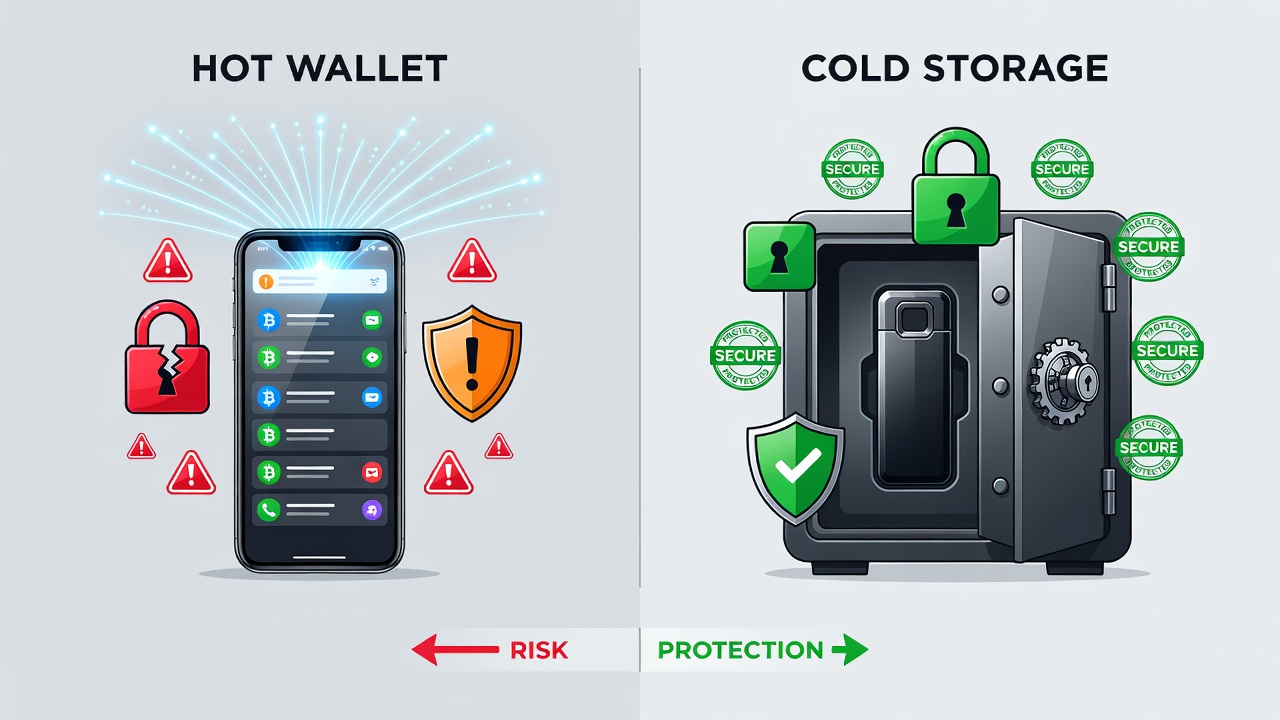
Hot wallets offer convenience for frequent trading but remain connected to the internet, increasing vulnerability to remote attacks. Cold storage, such as hardware devices or paper backups, keeps assets offline and significantly reduces exposure. Real-world examples include the 2024 incidents where hot wallet compromises on certain platforms led to substantial losses, contrasted with the relative safety of cold-stored funds. Hybrid approaches, where users keep a small percentage in hot wallets for liquidity and the majority in cold storage, strike a practical balance for active traders. Factors such as transaction frequency, total portfolio size, and personal technical comfort level should guide the final decision.
Step-by-Step Checklist for Multi-Layered Defenses
- Start by assessing your current setup and identifying high-value assets that require the strongest protections.
- Implement hardware wallets for long-term holdings and software wallets only for daily transactions, testing each device upon receipt.
- Enable multi-signature requirements on all accounts where possible and document the signers securely offline.
- Conduct regular security audits and monitor for unusual activity using portfolio tracking tools with alerts.
- Use VPNs and dedicated devices for crypto-related activities to minimize attack surfaces from everyday browsing.
- Backup data securely using encrypted external drives stored in separate physical locations and test recovery processes periodically.
- Educate yourself on the latest threats through reliable resources like CISA alerts and participate in community security discussions.
- Establish an incident response plan that includes immediate steps for freezing accounts and notifying support teams.
- Review and update privacy settings across exchanges and wallets every quarter to align with evolving regulations.
- Consider professional cybersecurity consultations for portfolios exceeding certain thresholds to obtain tailored recommendations.
Recent Hacking Trends in DeFi Protocols
Decentralized finance protocols have faced rising smart contract exploits and flash loan attacks in recent years. In 2026, emphasis on code audits and community governance remains critical. Users should research protocol histories thoroughly and avoid unverified projects to minimize risks associated with these trends. Common attack vectors include reentrancy vulnerabilities, oracle manipulation, and governance token takeovers. Practical defenses involve using only audited protocols with substantial liquidity and bug bounties, enabling transaction simulation tools before signing, and diversifying across multiple chains rather than concentrating assets. Staying updated on vulnerability disclosures helps investors exit positions before exploits materialize.
FAQs on Recovering from Breaches and Privacy Compliance
How can I recover from a potential crypto breach?
Immediately revoke access permissions, transfer remaining funds to new secure wallets, and report the incident to relevant authorities. Document all details for potential legal or insurance claims while consulting cybersecurity professionals. Contact the exchange or wallet provider through verified support channels and consider engaging forensic services to trace stolen assets where feasible.
What steps maintain privacy compliance after an incident?
Review and update privacy settings across all accounts, consider using privacy-focused tools like mixers where legal, and stay informed on regulations through official channels such as FTC consumer resources. Regular monitoring helps ensure ongoing compliance. Maintain detailed records of all transactions and communications to demonstrate due diligence if regulatory inquiries arise.
Are there specific tools recommended for ongoing privacy protection?
Privacy-centric browsers, encrypted messaging apps for communications, and hardware security keys add layers of protection. Always verify the legitimacy of any new tool through independent reviews before integrating it into your workflow.
Conclusion
By applying these cryptocurrency cybersecurity strategies in 2026, users can effectively safeguard data privacy and mitigate hacking risks. Consistent vigilance combined with the outlined best practices empowers investors to navigate the digital asset landscape confidently and securely. Regular education and adaptation to new threats will remain the most valuable long-term defense mechanism.
No comments yet. Be the first!