 NeoBit Daily
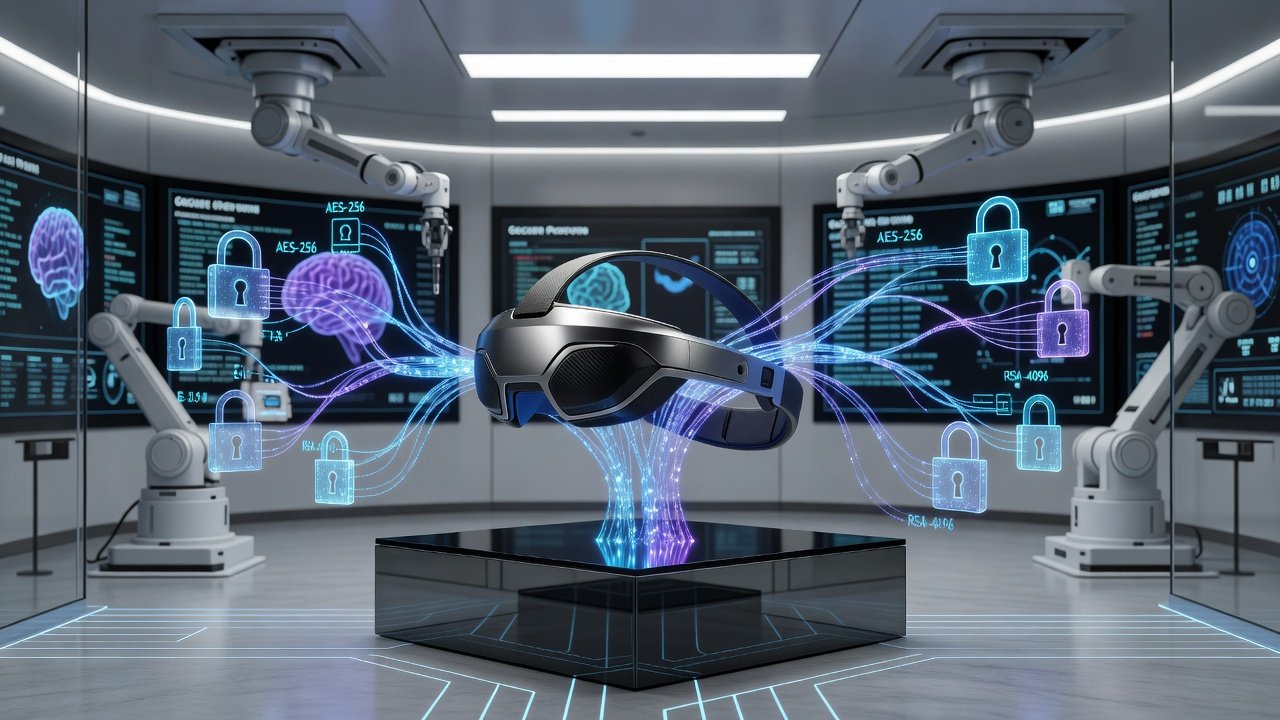
Introduction to Brain-Computer Interface Security in 2026
Brain-computer interfaces (BCIs) represent one of the most transformative technologies of the decade, enabling direct communication between the human brain and digital systems. By 2026, these devices have moved beyond experimental stages into practical applications in healthcare, gaming, productivity, and assistive technologies. However, the neural data they collect and process is among the most sensitive forms of biometric information available. This how-to guide explores emerging risks in brain-computer interface technology from a 2026 cybersecurity perspective, with a sharp focus on neural data privacy and hacking threats. Professionals in cybersecurity, healthcare IT, and technology development will find detailed coverage of potential attack vectors on neural signals, regulatory gaps in data ownership, and integration challenges with existing security frameworks. The article also delivers practical steps for implementing encryption and access controls, real-world examples of simulated breaches, and comparisons between consumer and enterprise BCI solutions.
Understanding BCI Technology and Its Data Flows
BCIs capture electrical activity from the brain through non-invasive headsets or invasive implants. These signals are then decoded using advanced algorithms to interpret intended movements, thoughts, or commands. In 2026, consumer-grade devices typically rely on electroencephalography (EEG) sensors, while enterprise and medical systems may use electrocorticography (ECoG) or intracortical arrays for higher precision. The data flow involves continuous streaming of high-resolution neural patterns that can reveal cognitive states, emotional responses, and even subconscious preferences. Because this information is inherently personal and difficult to anonymize completely, any security lapse can lead to profound privacy violations. Organizations must understand these flows to design effective defenses that protect data at every stage from capture to storage and transmission.
Potential Attack Vectors on Neural Signals
Attackers are increasingly targeting BCI systems through multiple sophisticated vectors. Wireless transmission of neural signals creates opportunities for interception using specialized radio equipment. Malware can be introduced via companion mobile apps or firmware updates, altering how signals are interpreted. Side-channel attacks exploit power consumption patterns or electromagnetic emissions to infer neural activity without direct access. Simulated breaches conducted by research teams have shown how adversaries might inject false signals to manipulate user actions or extract private mental content. These threats are amplified by the real-time nature of BCI processing, where even minor delays in detection can cause significant harm.

Key Threats in Detail
- Man-in-the-middle attacks on wireless neural transmissions that allow real-time eavesdropping or modification of brain signals
- Adversarial machine learning techniques that subtly alter signal interpretation to produce unintended device behavior
- Hardware tampering in implantable devices through supply-chain compromises or physical access
- Social engineering campaigns aimed at tricking users into granting elevated permissions to neural data streams
Regulatory Gaps in Data Ownership
Legal frameworks have not kept pace with BCI innovation. Questions persist regarding ownership of neural data: does it belong exclusively to the individual, or can device manufacturers claim rights for training purposes? Unlike traditional health records protected under established laws, neural signals fall into a gray area where cognitive privacy remains poorly defined. This creates risks of unauthorized sharing with third parties such as insurers or advertisers. Professionals should actively monitor regulatory developments from the FDA regarding medical device approvals and data handling requirements. International standards bodies are also beginning to address these issues, though comprehensive global rules remain years away.
Integration Challenges with Existing Security Frameworks
Many organizations attempt to apply conventional cybersecurity models such as zero-trust architecture to BCI deployments. However, the ultra-low latency requirements of neural processing often conflict with standard authentication and encryption overhead. Existing frameworks may introduce unacceptable delays or reduce signal accuracy. Custom adaptations are necessary, including lightweight cryptographic protocols optimized for embedded hardware and continuous behavioral analytics that detect anomalies without interrupting user experience. Successful integration requires collaboration between neuroscientists, hardware engineers, and security architects.
Practical Steps for Implementing Encryption and Access Controls
Begin by encrypting neural data at the sensor level using strong end-to-end protocols before any transmission occurs. Implement role-based access controls that limit which personnel or systems can view raw signals versus aggregated insights. Deploy multi-factor authentication that combines device biometrics with secondary verification methods outside the neural interface. Conduct regular firmware integrity checks and maintain isolated network segments for BCI traffic. Anomaly detection systems trained on baseline neural patterns can flag unusual activity indicative of tampering. Organizations should also establish clear data retention policies that automatically purge sensitive recordings after defined periods unless explicit consent is maintained.
Real-World Examples of Simulated Breaches
Security researchers have performed controlled demonstrations where malicious inputs successfully overrode legitimate neural commands. In one notable 2025 exercise, participants wearing consumer headsets experienced temporary loss of control over connected robotic arms when attackers injected crafted signals. Another test revealed that emotional state data could be extracted from EEG patterns during routine use, highlighting risks of psychological profiling. These examples underscore the importance of validation layers that cross-check neural inputs against expected behavioral context before execution.
Consumer vs Enterprise BCI Solutions Comparison
Consumer BCIs emphasize simplicity and affordability, often featuring basic encryption suitable for entertainment or light productivity tasks. They typically lack advanced audit logging and may store data in cloud environments with variable security postures. Enterprise solutions, by contrast, incorporate hardware security modules, detailed compliance reporting, and on-premise processing options. While consumer devices may suffice for individual hobbyists, any environment handling protected health information or proprietary cognitive data demands enterprise-grade protections to mitigate liability and maintain trust.
Mistakes to Avoid When Securing BCI Systems
Common errors include relying solely on manufacturer default settings, neglecting regular security audits, and failing to segment BCI networks from broader corporate infrastructure. Another frequent oversight is insufficient user training, leaving individuals unaware of how to recognize signs of compromise such as unexpected device responses. Organizations should also avoid storing raw neural data longer than necessary and should never transmit it over unsecured public networks.
Actionable Security Tips to Prevent Unauthorized Access
- Enable automatic signal obfuscation and noise injection features where device manufacturers provide them.
- Segment all BCI-related networks using dedicated VLANs and strict firewall rules.
- Perform quarterly penetration testing that specifically targets neural signal pathways and decoding algorithms.
- Educate end users on identifying anomalous device behavior and reporting incidents promptly.
- Establish incident response playbooks tailored to BCI scenarios, including rapid device isolation procedures.
FAQ
What makes neural data more sensitive than other biometrics?
Neural signals can reveal real-time thoughts, intentions, and emotional states, providing far deeper insights into cognition than static identifiers like fingerprints or facial scans. This creates unique risks of manipulation and psychological profiling.
How can individuals protect personal BCI devices at home?
Use strong unique credentials, keep all associated software and firmware updated, avoid connecting to public Wi-Fi, and regularly review device permissions for connected applications.
Are there industry standards for BCI security in 2026?
Professionals commonly reference frameworks from the NIST and emerging guidelines developed by the IEEE for neural interface protections and data handling best practices.
What should organizations do if they suspect a neural data breach?
Immediately isolate affected devices, notify impacted users, engage forensic specialists experienced with biometric systems, and document all steps for regulatory compliance reviews.
Conclusion
Brain-computer interface security requires ongoing vigilance and adaptation in 2026. By thoroughly understanding the unique risks, addressing regulatory shortfalls, and implementing layered technical controls, professionals can effectively protect sensitive neural privacy as this technology continues its rapid evolution.


No comments yet. Be the first!