 NeoBit Daily
Introduction to Blockchain Cybersecurity in 2026
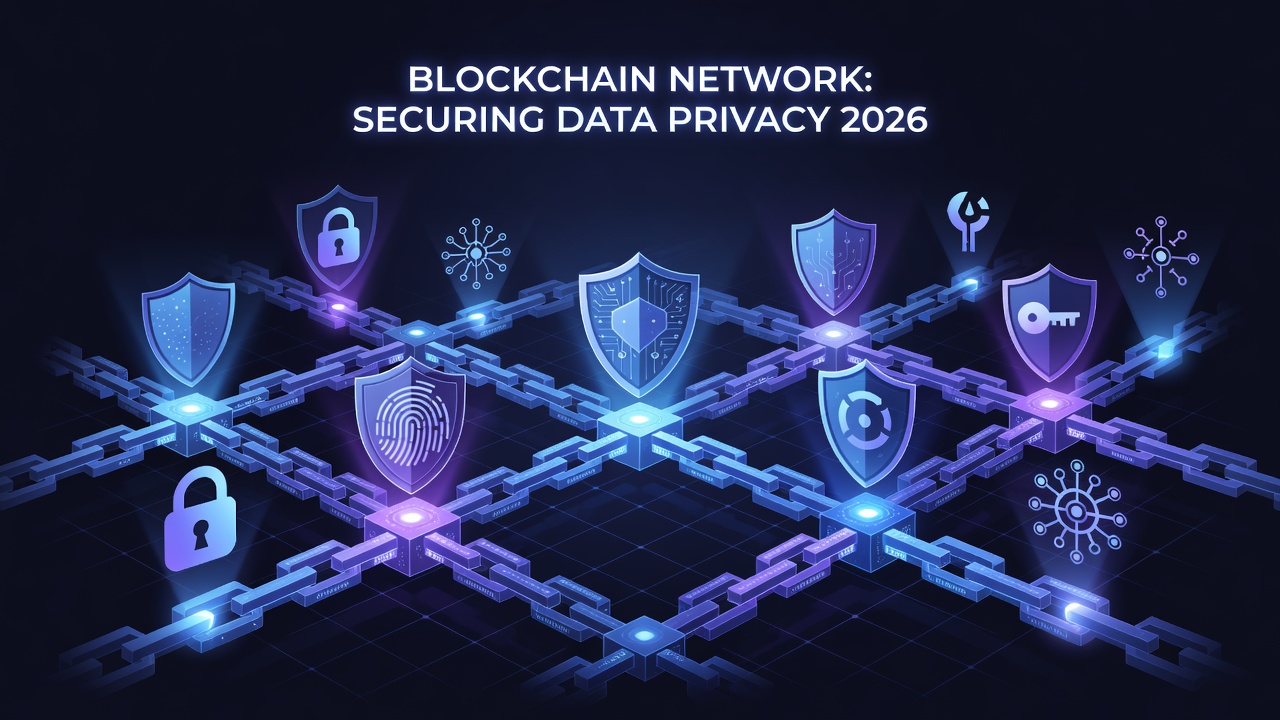
In an era where data breaches continue to threaten organizations worldwide, blockchain technology offers powerful tools for enhancing cybersecurity and protecting data privacy. This beginner-friendly guide examines how decentralized systems address emerging threats in 2026, focusing on core concepts like tamper-proof records and their practical applications across industries. As cyber attacks grow more sophisticated, businesses and individuals alike seek robust security tips to safeguard sensitive information from unauthorized access and manipulation.
Blockchain's distributed nature reduces single points of failure common in centralized systems, making it a compelling solution for modern cybersecurity challenges. The technology not only secures data through encryption but also provides transparent audit trails that help organizations demonstrate compliance with privacy regulations. By understanding these fundamentals, readers can better appreciate how blockchain integrates into broader defense strategies against 2026 threats such as advanced persistent threats and ransomware campaigns.
Core Concepts: Decentralized Ledgers and Smart Contracts
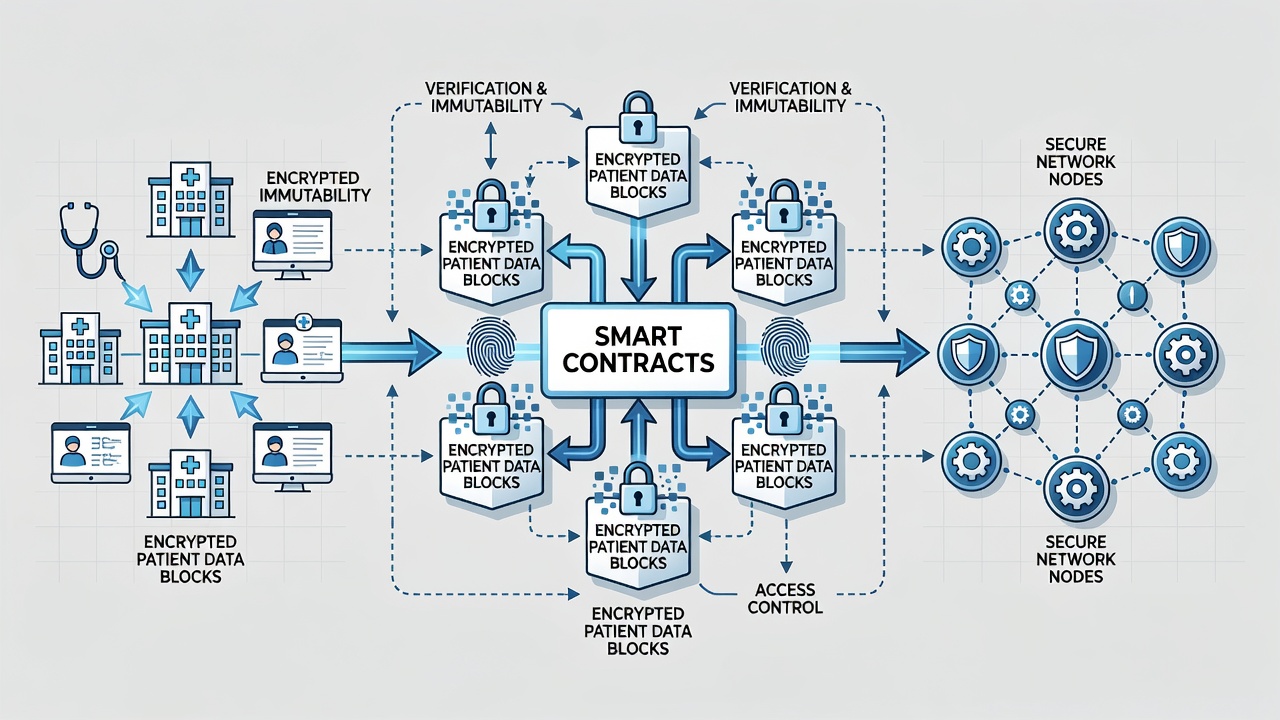
At the heart of blockchain cybersecurity lies the decentralized ledger, a shared database maintained across multiple nodes rather than a single server. This structure ensures that any attempt to alter records requires consensus from the network, creating tamper-proof data integrity that is nearly impossible to compromise without detection. Smart contracts, self-executing agreements coded directly onto the blockchain, automate security protocols without intermediaries, enforcing rules like access permissions automatically upon meeting predefined conditions.
These technologies work together to enforce data privacy by encrypting transactions and limiting access through cryptographic keys. For example, once data is recorded, it becomes immutable, preventing unauthorized modifications that could compromise cybersecurity. Additional layers such as zero-knowledge proofs allow verification of data without revealing underlying information, further strengthening privacy protections in sensitive environments.
Blockchain vs Traditional Databases: Key Comparisons
Traditional databases rely on centralized control, which exposes them to hacking attempts targeting a single repository and creates vulnerabilities during maintenance windows. In contrast, blockchain distributes data across nodes, enhancing resilience against attacks and eliminating reliance on a central authority. While traditional systems offer faster query speeds for simple operations, blockchain excels in auditability and transparency, key for regulatory compliance in data privacy matters.
Security professionals note that blockchain eliminates the need for trusted third parties, reducing insider threat risks significantly. However, it requires more computational resources for consensus mechanisms compared to conventional setups. Organizations must weigh these trade-offs carefully when deciding between systems, often finding hybrid approaches beneficial for balancing performance with enhanced security features.
Real-World Use Cases in Finance, Healthcare, and Beyond
In the finance sector, blockchain secures transaction ledgers against fraud, enabling real-time verification that prevents double-spending and unauthorized access. Banks use it to streamline cross-border payments while maintaining immutable records for regulatory audits. Healthcare organizations leverage it to protect patient records, ensuring only authorized parties view encrypted data while maintaining compliance with privacy regulations through granular permission controls.
Practical examples include supply chain tracking in pharmaceuticals to verify drug authenticity and prevent tampering during distribution. Government agencies apply blockchain for secure voting systems and identity management, reducing risks of electoral interference. These applications demonstrate blockchain's role in proactive hacking prevention through immutable audit trails that deter malicious actors effectively.
5-Step Implementation Roadmap for Businesses
Implementing blockchain for cybersecurity requires careful planning to maximize benefits. The first step involves assessing current cybersecurity infrastructure and identifying data privacy vulnerabilities through comprehensive audits and risk assessments. This phase helps pinpoint areas where decentralized ledgers can provide the most value, such as protecting intellectual property or customer databases.
Next, organizations should choose a suitable blockchain platform based on scalability needs, integration capabilities with existing tools, and consensus mechanisms that align with their security requirements. The third step focuses on developing and testing smart contracts for automated security enforcement, including rigorous code reviews to avoid vulnerabilities in the contracts themselves. Training staff on blockchain operations follows, ensuring teams understand monitoring tools and best practices for initial deployments.
The final step emphasizes gradual scaling while conducting regular audits to refine security tips and address any emerging issues. Throughout this roadmap, businesses benefit from pilot projects in low-risk areas before full rollout, allowing for iterative improvements based on real-world performance data.
Security Tips for Addressing 2026 Threats
Stay ahead of evolving risks by combining blockchain with multi-factor authentication and regular penetration testing to uncover potential weaknesses. Educate teams on recognizing phishing attempts that could undermine even decentralized systems through social engineering tactics. Organizations should prioritize interoperability standards to ensure seamless data privacy across multiple platforms and vendors.
Additional tips include monitoring network nodes for unusual activity and implementing encryption standards that evolve with technological advancements. These practices help mitigate threats like ransomware and sophisticated social engineering attacks prevalent in 2026 environments.
Common Mistakes to Avoid When Adopting Blockchain
One frequent mistake is overlooking the importance of thorough smart contract audits, which can lead to exploitable bugs despite the underlying blockchain's security. Another error involves choosing platforms without adequate scalability testing, resulting in performance bottlenecks during high-traffic periods. Businesses should also avoid neglecting employee training, as human error remains a leading cause of security incidents even with advanced technology.
Finally, failing to plan for regulatory changes can expose organizations to compliance risks when deploying blockchain solutions across borders.
Frequently Asked Questions
How does blockchain improve scalability for cybersecurity?
Layer-two solutions and sharding techniques address scalability concerns, allowing blockchain networks to handle higher transaction volumes without sacrificing security or decentralization benefits.
Is blockchain suitable for small businesses?
Yes, with cloud-based blockchain services, smaller organizations can adopt these tools affordably to enhance data privacy and cybersecurity without massive upfront investments in infrastructure.
What are common misconceptions about blockchain and hacking prevention?
Many assume blockchain is completely unhackable, but proper implementation, ongoing maintenance, and complementary security measures remain essential for optimal protection against determined adversaries.
Can blockchain integrate with existing cybersecurity tools?
Absolutely, many solutions allow seamless integration with firewalls, intrusion detection systems, and AI-driven threat analysis platforms to create layered defense strategies.
Conclusion
Blockchain technology provides transformative capabilities for cybersecurity and data privacy in 2026. By understanding its fundamentals, following structured implementation steps, and avoiding common pitfalls, businesses can build resilient defenses against modern threats. Explore further resources from authoritative sources like NIST, IBM Blockchain, and ENISA to deepen your knowledge and stay informed on best practices.


No comments yet. Be the first!