 NeoBit Daily
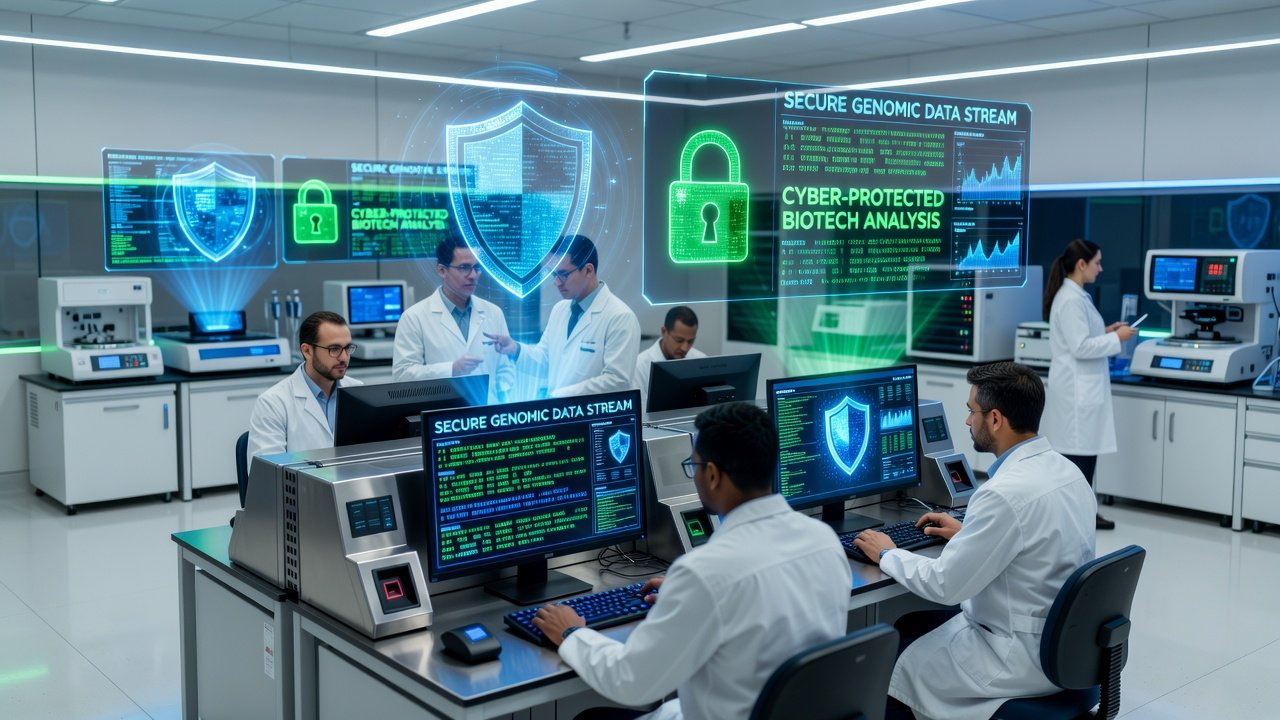
Introduction to Biotech Cybersecurity in 2026
The biotechnology sector faces escalating cyber threats in 2026 as proprietary research, genomic data, and patient health records become prime targets. Organizations must address unique vulnerabilities in lab systems and cloud platforms while meeting strict regulatory demands. With increasing digitization of research processes, from CRISPR gene editing to large-scale clinical trials, the attack surface has expanded dramatically. Search intent around practical security tips and emerging hacking news drives the need for actionable advice tailored to life sciences professionals who handle sensitive information daily.
Biotech companies store irreplaceable intellectual property that can take years and millions in investment to develop. A single successful breach can derail drug discovery pipelines or expose personal health information protected under multiple laws. This article provides in-depth coverage of risks, compliance approaches, attack methods, and implementation guides to help teams build resilient defenses.
Regulatory Compliance Strategies for Biotech Firms
Compliance with frameworks such as HIPAA, GDPR, and emerging FDA cybersecurity guidelines remains essential. Companies should conduct regular audits and implement risk assessments aligned with NIST cybersecurity standards. Key steps include mapping data flows, documenting controls, and training staff on evolving requirements to avoid penalties and maintain trust. In practice, this means creating detailed data inventories that track every genomic sequence, clinical trial record, and lab instrument log from creation through deletion.
Biotech firms often operate across borders, so aligning with international standards like those from the FDA helps streamline global operations. Regular third-party assessments and continuous monitoring programs reduce the likelihood of non-compliance findings during inspections. Staff education programs that include scenario-based training on handling protected health information further strengthen the compliance posture.
Common Attack Vectors Targeting Lab Systems
Ransomware continues to dominate threats against biotech infrastructure. Attackers exploit unpatched lab equipment, weak remote access points, and third-party vendor connections. Phishing campaigns often deliver malware that encrypts critical research databases, halting experiments and risking data loss. Additional vectors include supply-chain attacks where compromised software updates for DNA sequencing tools introduce backdoors into otherwise secure environments.
- Insider threats from unauthorized data exfiltration by disgruntled employees or contractors with excessive privileges
- Supply-chain compromises in software used for sequencing analysis and protein modeling
- IoT device vulnerabilities in automated bioreactors and environmental control systems that lack basic authentication
- Man-in-the-middle attacks on wireless networks connecting field researchers to central databases
Understanding these vectors allows security teams to prioritize patching schedules and network segmentation projects that limit lateral movement after an initial compromise.
Real-World Case Studies of Data Breaches
Recent incidents highlight the stakes. A 2025 breach at a genomics firm exposed millions of records after ransomware encrypted sequencing servers, forcing weeks of downtime and regulatory scrutiny. Another case involved a contract research organization where stolen intellectual property led to competitive disadvantages when trade secrets appeared in competitor patents. A third example saw a university-affiliated biotech lab lose clinical trial data through a phishing attack that bypassed basic email filters, resulting in delayed FDA submissions.
These examples underscore the need for proactive defenses that include immutable backups and rapid incident response playbooks. Lessons from each case emphasize the value of vendor risk management and employee awareness campaigns that go beyond annual checkbox training.
Step-by-Step Guide to Implementing Encryption
Protecting sensitive data starts with robust encryption. Follow these detailed steps for implementation:
- Identify all data at rest and in transit using comprehensive asset inventories that cover both on-premises servers and cloud storage buckets.
- Deploy AES-256 encryption on databases and file systems, ensuring keys are never stored alongside the encrypted data.
- Enable TLS 1.3 for all network communications between labs and cloud services, including API calls from sequencing machines.
- Manage keys through hardware security modules with regular rotation policies and strict access logging.
- Test encryption efficacy quarterly through penetration testing that simulates real-world attacker techniques.
- Document encryption policies and train researchers on proper handling of decrypted datasets during analysis workflows.
This layered approach minimizes exposure even if systems are compromised and supports long-term data integrity across multi-year research projects.
Access Control Best Practices and Implementation
Zero-trust architecture provides strong protection for biotech environments. Begin by enforcing multi-factor authentication across all platforms, including legacy lab instruments that may require additional middleware. Segment networks so lab systems cannot directly access corporate resources or the internet without going through monitored gateways. Use role-based access controls to limit employee permissions to only necessary data, with automated reviews that revoke access when project roles change.
Audit logs should be reviewed weekly by dedicated security personnel, and privileged accounts must employ just-in-time access that expires after a defined period. Integrating identity management with laboratory information management systems ensures consistent policy enforcement without disrupting daily research activities.

Comparison of Specialized Security Tools for Life Sciences
Several platforms cater to biotech needs with varying strengths. Endpoint detection solutions focused on scientific instruments provide strong ransomware defense by monitoring unusual behavior on sequencing hardware. Data loss prevention tools excel at protecting genomic datasets with pattern recognition tuned for biological file formats. When evaluating options, consider integration capabilities with existing lab software, built-in compliance reporting features, and scalability for growing research teams. Qualitative differences often appear in ease of deployment and the quality of vendor support for regulated environments where downtime must be minimized.
Teams should run proof-of-concept trials on representative lab workloads before full rollout to identify any performance impacts on high-throughput computing clusters.
Building a Cybersecurity Culture in Research Teams
Technical controls alone are insufficient without organizational buy-in. Leadership should champion security as a core value by allocating dedicated budget lines and recognizing teams that identify vulnerabilities. Regular tabletop exercises that simulate ransomware scenarios help staff practice response procedures without real-world consequences. Cross-functional collaboration between IT security, legal, and scientific departments ensures policies remain practical for daily lab operations.
FAQ: Top Concerns for Biotech Professionals
How can small biotech startups afford advanced cybersecurity?
Prioritize foundational measures like encryption and access controls before investing in premium platforms. Leverage open frameworks from government resources to build cost-effective programs that scale as funding grows.
What emerging threats should we monitor in 2026?
AI-driven attacks targeting protein-folding simulations and quantum computing risks to current encryption standards represent growing concerns that require forward-looking planning.
Are there specific guidelines for securing clinical trial data?
Yes, align with FDA guidance on cybersecurity in medical devices and maintain immutable backups of trial datasets to support regulatory audits.
How often should penetration testing occur in a biotech lab?
At minimum, conduct annual tests with additional assessments after any major system changes or following significant research milestones that increase data sensitivity.
Conclusion
Biotech organizations that invest in layered defenses, regulatory alignment, and ongoing education will better protect valuable assets in 2026. Implementing the outlined strategies reduces risk and supports continued innovation in life sciences while preserving the confidentiality that patients and investors expect.


No comments yet. Be the first!