 NeoBit Daily
Introduction to Neuromorphic Computing in 2026
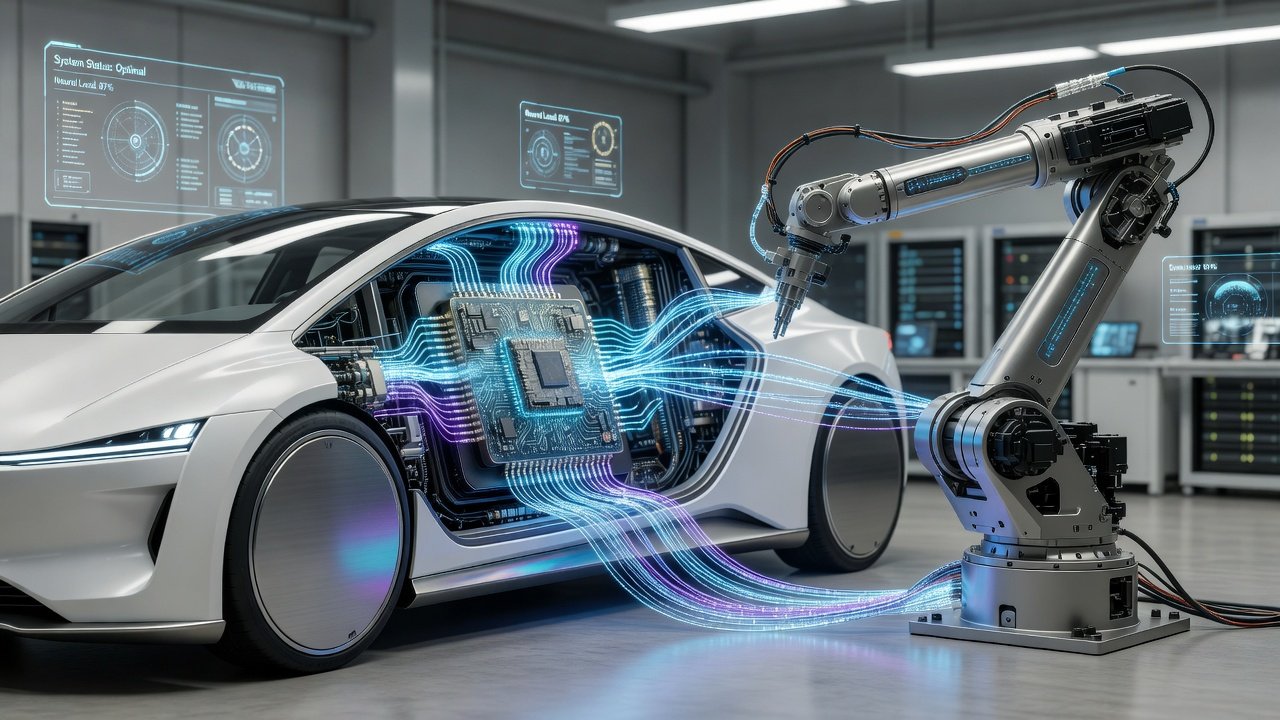
Neuromorphic chips are transforming edge AI by mimicking the human brain's neural architecture, delivering dramatic efficiency gains in power-hungry applications like autonomous driving and industrial robotics. As of late 2026, these chips are moving from research labs into production vehicles and factory floors, offering substantial reductions in energy consumption compared to traditional GPUs and silicon accelerators. The technology processes information in an event-driven manner, activating only when relevant sensory data arrives rather than running continuous clock cycles like conventional processors.
This fundamental shift enables always-on perception systems that consume minimal power while maintaining high responsiveness. In practice, neuromorphic designs excel at handling the sparse, asynchronous data streams from cameras, LiDAR, and tactile sensors common in vehicles and robots. Organizations exploring these solutions often reference foundational work from major technology leaders to understand hardware capabilities and software requirements.
How Neuromorphic Chips Function Compared to Traditional Architectures
At their core, neuromorphic processors use spiking neural networks that communicate through discrete electrical pulses, much like biological neurons. This contrasts with the dense matrix multiplications performed by GPUs and standard AI accelerators. The result is dramatically lower power draw during idle or low-activity periods, which dominate real-world driving and robotic operation cycles. Manufacturers have refined fabrication techniques to integrate millions of artificial neurons and synapses directly on silicon, enabling on-chip learning and inference without frequent data transfers to external memory.
These architectural differences become especially valuable in edge scenarios where latency, heat, and battery life are critical constraints. Engineers evaluating options frequently compare neuromorphic platforms against established GPU solutions from companies such as NVIDIA to quantify trade-offs in throughput and efficiency.
Energy Efficiency: Neuromorphic Chips vs GPUs and Silicon Alternatives
Leading manufacturers report that neuromorphic solutions achieve up to 10-100x better energy efficiency in inference tasks for edge AI. In autonomous vehicles, this translates to extended battery range and reduced thermal management needs. Industrial robots benefit from longer operational uptime between charges or lower electricity costs in continuous manufacturing environments. Real-world testing shows that a typical neuromorphic vision module can sustain continuous object detection at under two watts, whereas equivalent GPU-based systems often exceed twenty watts under similar loads.
Comparisons with GPUs highlight the gap: while GPUs excel at parallel training workloads in data centers, they consume far more power during always-on perception tasks. Neuromorphic alternatives shine in sparse, asynchronous data streams typical of sensors in cars and robots. Additional silicon alternatives such as traditional DSPs and FPGAs offer intermediate performance but still fall short in power proportionality for intermittent workloads. Organizations can explore detailed hardware documentation from industry pioneers including Intel when planning efficiency evaluations.
Real-World Deployments in Autonomous Vehicles
Tesla's next-generation autonomy hardware is exploring neuromorphic-inspired accelerators alongside its existing Dojo and inference systems. Early integrations show measurable improvements in processing camera and LiDAR feeds with minimal latency. Other manufacturers like Intel and IBM are supplying neuromorphic test platforms to OEMs for pilot programs in Level 3 and Level 4 autonomy. Fleet operators have documented cases where vehicles maintained full perception capability during extended highway runs while drawing significantly less power from the main battery pack.
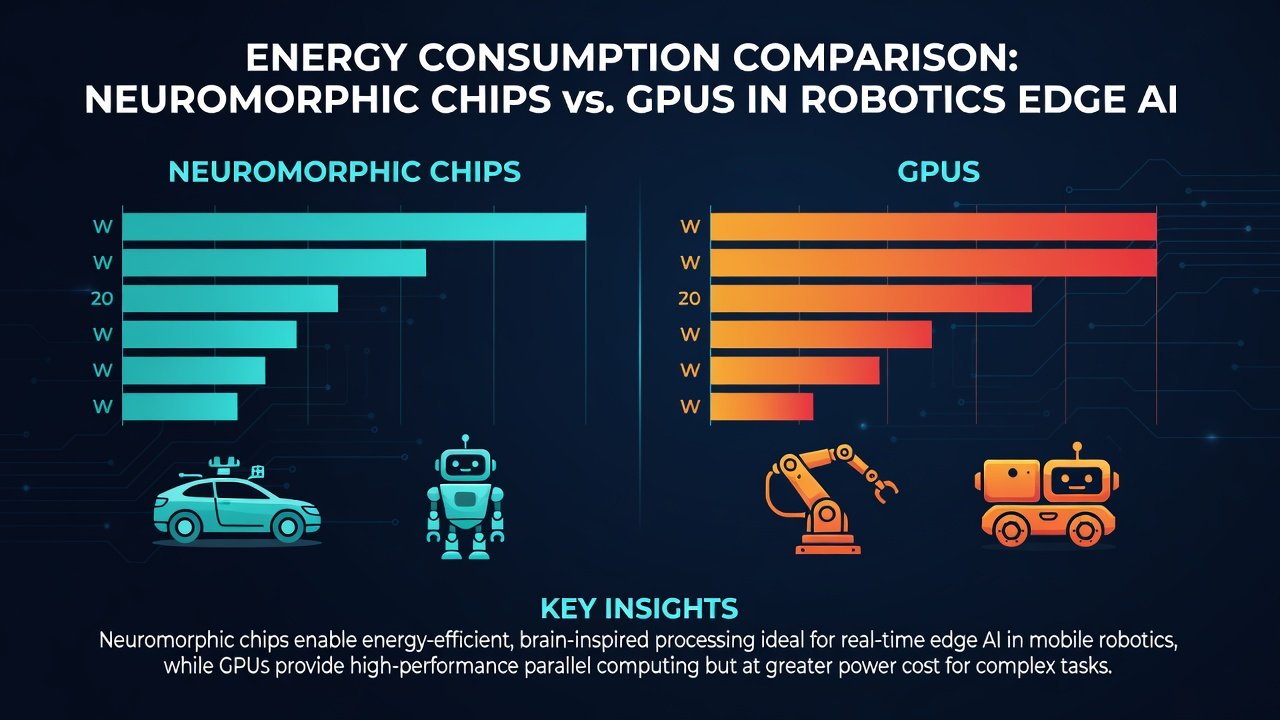
Case studies from 2026 deployments indicate that vehicles equipped with these chips reduce overall system power by 40-60% during highway driving compared to GPU-heavy setups, enabling better performance in edge computing without constant cloud offloading. Additional examples include delivery vans using neuromorphic chips for pedestrian detection in urban environments, where rapid reaction to sudden movements occurs without draining auxiliary power reserves.
Industrial Robotics Applications and Benchmarks
In factories, neuromorphic chips power vision systems for pick-and-place robots and collaborative arms. Performance benchmarks from leading vendors demonstrate sub-millisecond reaction times with power budgets under 5 watts per vision module. This contrasts sharply with GPU alternatives that often require 50+ watts for similar throughput. Assembly-line robots equipped with these chips have achieved higher precision in defect detection while operating continuously across multiple shifts without thermal throttling.
Measurable gains include faster anomaly detection on assembly lines and improved safety through always-on low-power monitoring. Enterprises report higher throughput and fewer downtime incidents due to overheating. In one documented automotive parts facility, switching vision modules to neuromorphic hardware increased daily inspection capacity by nearly thirty percent while lowering energy consumption for the robotic cell.
Performance Benchmarks from Leading Manufacturers
Independent evaluations conducted throughout 2026 consistently place neuromorphic solutions ahead in energy-per-inference metrics for edge tasks. For example, object classification on standard automotive datasets completes with lower average latency and power than comparable GPU runs. Robotics integrators note that multi-sensor fusion pipelines maintain accuracy even when input rates drop during low-activity periods, a direct benefit of the spiking architecture.
Integration Challenges and Adoption Barriers for Enterprises
Despite the promise, enterprises face hurdles including software ecosystem maturity, lack of standardized frameworks, and the need for specialized talent. Retrofitting existing robot fleets or vehicle platforms requires careful validation to maintain safety certifications. Common integration challenges involve rewriting perception algorithms to accommodate spiking inputs and ensuring reliable operation across temperature extremes found in outdoor robotics or vehicle engine bays.
Practical steps for adoption include starting with hybrid systems that combine neuromorphic sensors with legacy controllers, followed by phased migration. A useful checklist for teams includes: assessing current sensor data rates, mapping power budgets across operating modes, identifying middleware that supports event-based processing, and conducting extended field trials before full rollout. Common mistakes to avoid are underestimating data pipeline redesigns and overlooking long-term firmware support from chip vendors. Resources from established research organizations such as IBM can provide additional guidance on overcoming these barriers.
Future Roadmap and Predictions
Industry analysts predict widespread commercialization by 2028, with neuromorphic chips becoming standard in new EV platforms and smart factories. Continued advances in materials and 3D stacking will further boost density and efficiency. Roadmap discussions often highlight upcoming support for on-chip continual learning, allowing robots and vehicles to adapt models locally without cloud connectivity.
Conclusion
Neuromorphic chips represent a pivotal shift toward sustainable, high-performance edge AI in transportation and manufacturing. By focusing on real deployments, efficiency metrics, and structured adoption strategies, organizations can better evaluate whether these solutions fit their operational requirements in 2026 and beyond.
FAQ
What is the typical cost of neuromorphic chips for automotive use?
Costs vary by volume and customization, but qualitative trends show declining prices as production scales in 2026.
Are neuromorphic chips compatible with existing AI software stacks?
Compatibility is improving through open frameworks, though full integration often requires custom middleware for optimal spiking network support.
How scalable are these solutions for large robotics fleets?
Scalability is strong at the edge level, with cloud orchestration handling fleet-wide updates and model training.

No comments yet. Be the first!