 NeoBit Daily
Introduction: The Rise of Underwater Data Centers in 2026
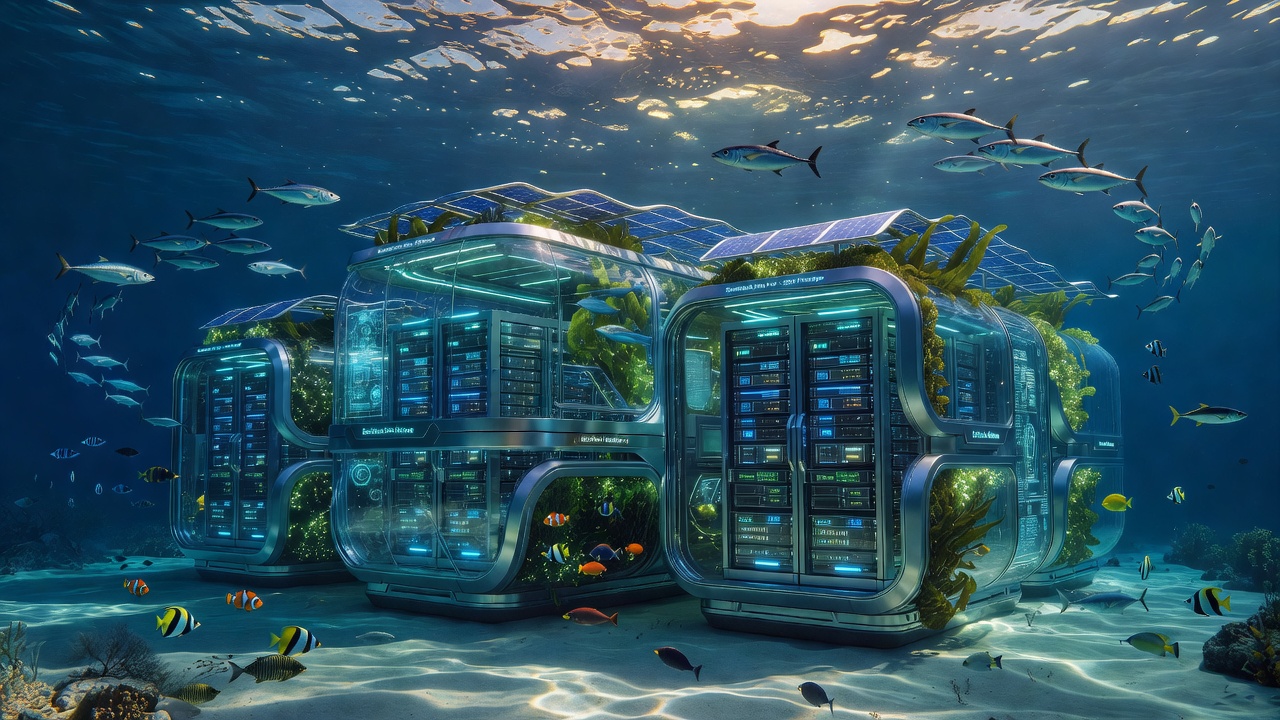
The tech landscape in 2026 is witnessing a transformative shift as underwater data centers emerge as a key innovation in sustainable cloud infrastructure. These submerged facilities address critical challenges of land-based data centers, including high energy consumption for cooling and limited space in urban areas. As global data demands surge with the proliferation of AI applications, streaming services, and IoT devices, companies like Microsoft and Google are leading deployments that promise significant efficiency gains. This forward-looking analysis examines the latest advancements, real-world projects, performance data, and strategic implications for 2026 and beyond, providing industry professionals with actionable insights into how these facilities are reshaping infrastructure strategies worldwide.
Underwater data centers leverage the ocean's natural cooling properties to reduce operational costs and environmental impact. Recent deployments highlight how this technology is not only viable but increasingly essential for meeting escalating demands in cloud computing. By 2026, projections indicate that underwater installations could account for a growing share of new data center capacity, driven by both technological maturity and regulatory pressures favoring green computing solutions.
Advancements in Cooling Technology
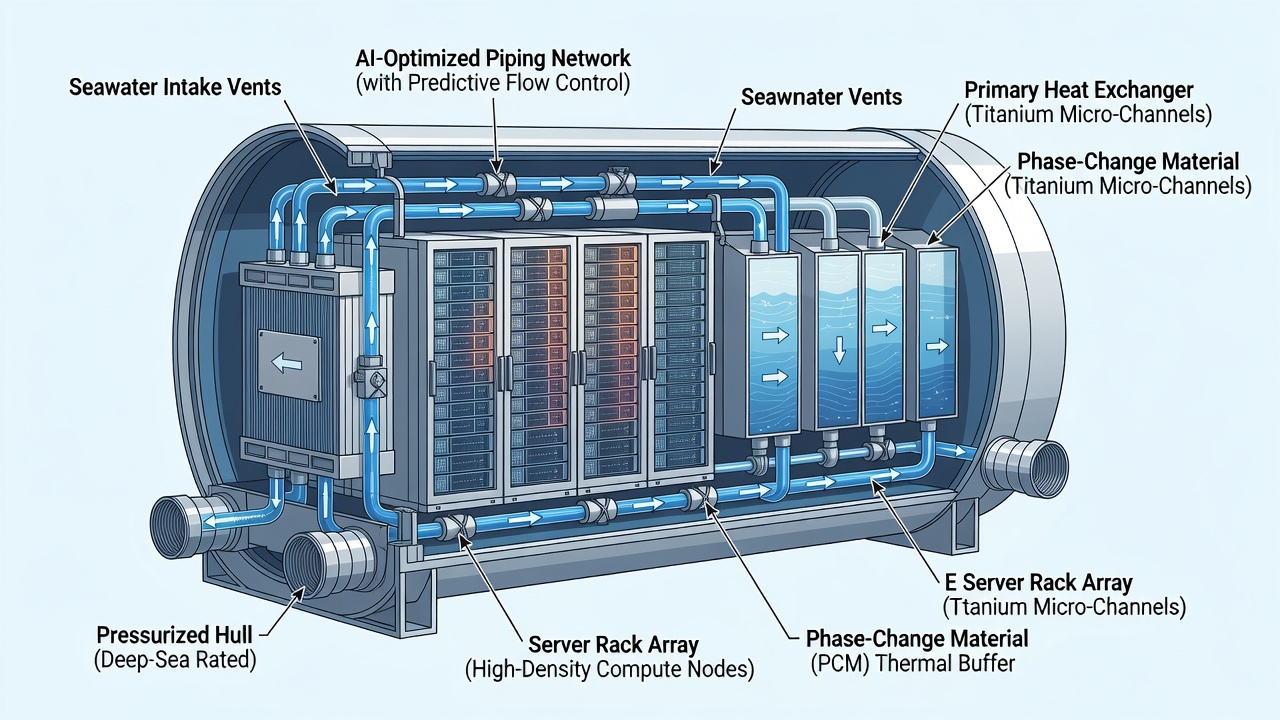
Traditional data centers rely on energy-intensive air conditioning systems that can consume up to 40 percent of total power, but underwater variants use seawater for passive cooling. In 2026, innovations include advanced phase-change materials that absorb and release heat efficiently, combined with AI-optimized fluid dynamics that further enhance heat dissipation across server arrays. These systems maintain optimal server temperatures without mechanical chillers, cutting energy use dramatically while supporting higher computational densities.
Key breakthroughs involve sealed, corrosion-resistant enclosures made from specialized alloys and composites that protect equipment from saltwater while enabling efficient heat transfer to surrounding waters. This technology not only extends hardware lifespan by reducing thermal stress but also supports higher density computing configurations essential for modern workloads. Engineers have refined sensor networks that monitor temperature gradients in real time, allowing predictive adjustments that prevent overheating before it occurs.
Energy Savings: Underwater vs. Land-Based Facilities
Comparisons reveal substantial advantages for underwater facilities. Underwater data centers can achieve up to 40 percent lower energy consumption for cooling compared to conventional facilities. This translates to reduced carbon footprints, aligning with global sustainability goals set by international bodies. Performance metrics from recent trials show consistent PUE (Power Usage Effectiveness) ratings below 1.1, outperforming many land-based counterparts that often average 1.5 or higher.
These gains position underwater centers as vital for meeting 2026 efficiency standards in cloud computing. Beyond cooling, overall operational energy reductions come from minimized need for backup generators and ventilation infrastructure. When integrated with offshore renewable sources like wind or tidal power, the total environmental benefit multiplies, offering a compelling case for adoption in regions with limited land availability.
Real-World Examples from Microsoft and Google
Microsoft's Project Natick has pioneered underwater deployments, with 2026 expansions focusing on modular, scalable pods that can be rapidly deployed in various ocean depths. The company has refined vessel designs based on earlier prototypes, achieving improved reliability in dynamic marine conditions. Similarly, Google has initiated pilot projects in coastal regions, integrating renewable energy sources to power submerged servers while exploring synergies with existing undersea cable networks.
These initiatives demonstrate practical viability, with Microsoft reporting reliable operations in harsh marine environments over multi-year periods. Microsoft's research underscores the potential for global scaling, while Google's sustainability reports highlight environmental benefits. Additional industry observers note that these projects are influencing competitors to explore similar submerged architectures in strategic locations near major population centers.
Step-by-Step Overview of Deployment Processes
Deploying an underwater data center involves careful planning and execution to ensure safety and performance. The process typically unfolds as follows:
- Site Selection: Assess ocean depth, currents, seismic activity, and proximity to shore for optimal connectivity via fiber optic cables. Environmental impact studies are conducted to avoid sensitive marine habitats.
- Design and Fabrication: Build pressure-resistant vessels with integrated cooling loops, power distribution, and redundant systems using corrosion-resistant materials tested for long-term submersion.
- Transportation and Submersion: Use specialized heavy-lift vessels equipped with dynamic positioning systems to lower units precisely to the seabed, often at depths between 50 and 200 meters.
- Connection and Testing: Link to undersea fiber optic cables and power grids, followed by rigorous performance validation including stress tests under simulated load conditions.
- Monitoring and Maintenance: Employ remote AI systems for ongoing operations, with scheduled retrievals every few years for hardware upgrades or inspections using remotely operated vehicles.
This structured approach minimizes risks and ensures long-term reliability, allowing operators to achieve deployment timelines as short as six months from site approval to operational status.
Performance Metrics and Scalability Concerns
Metrics from 2026 deployments include notable latency reductions due to proximity to coastal populations and uptime exceeding 99.99 percent, often surpassing traditional facilities in consistency. Scalability concerns are addressed through modular designs that allow incremental expansion without major overhauls, enabling operators to add capacity in response to demand spikes.
Practical considerations include bandwidth optimization via direct peering agreements and resilience against natural events like storms, achieved through reinforced anchoring systems. These factors make underwater centers particularly attractive for hyperscale cloud providers managing global traffic.
Environmental Impact and Broader Implications
Environmental assessments indicate minimal disruption to marine ecosystems when sites are chosen carefully, with some installations even functioning as artificial reefs that support local biodiversity. Regulatory frameworks in 2026 emphasize thorough impact studies and ongoing monitoring to balance technological progress with ocean conservation.
Frequently Asked Questions
- How scalable are these centers for growing data needs? Modular pods enable easy expansion, supporting petabyte-scale growth through standardized vessel additions that integrate seamlessly with existing infrastructure.
- What is the environmental impact on surrounding waters? Reduced energy use lowers emissions significantly, though careful site planning and adherence to marine protection guidelines remain essential to prevent any adverse effects.
- Are there limitations related to maintenance access? Remote monitoring and periodic retrieval protocols mitigate risks, making long-term operations feasible even in remote locations.
- How do these facilities compare in cost-effectiveness over time? While initial investments are comparable, operational savings from cooling and energy efficiency yield strong returns within three to five years of deployment.
Conclusion: Shaping Tech Infrastructure Beyond 2026
Underwater data centers represent a pivotal evolution in cloud infrastructure. As Microsoft and Google refine these technologies, they pave the way for more sustainable, efficient global networks. Industry stakeholders should monitor these developments closely to inform future strategies and capitalize on the efficiency gains that define the next era of computing.

No comments yet. Be the first!