 NeoBit Daily
Introduction to Blockchain 3.0 in 2026
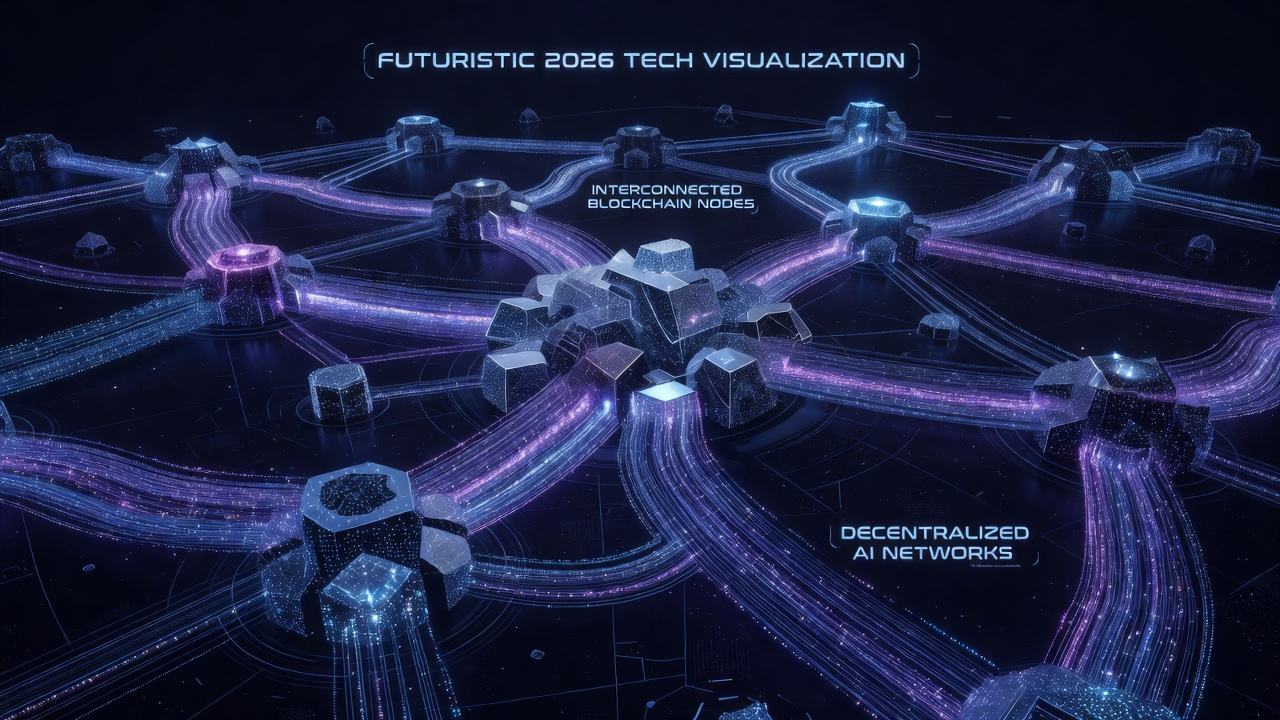
The year 2026 marks a pivotal shift in technology as Blockchain 3.0 platforms roll out to support decentralized AI networks. These systems allow secure data sharing for AI training across industries without relying on centralized servers. Enterprises are adopting them for enhanced privacy and efficiency, moving beyond the limitations of earlier blockchain generations. As artificial intelligence demands grow exponentially, traditional data silos no longer suffice, pushing organizations toward distributed ledgers that maintain integrity while enabling collaboration at scale.
Traditional blockchains struggled with scalability and speed, often processing only a handful of transactions per second. Blockchain 3.0 introduces innovations that address these issues directly, enabling real-time AI model training on distributed datasets. This evolution comes at a time when industries face mounting pressure to innovate responsibly, balancing technological advancement with data protection requirements.
Comparing Blockchain 3.0 with Earlier Versions
Blockchain 1.0 focused primarily on cryptocurrencies like Bitcoin. Blockchain 2.0 added smart contracts through platforms such as Ethereum. In contrast, Blockchain 3.0 emphasizes interoperability, scalability, and integration with emerging technologies like AI. This version supports high-throughput environments needed for machine learning workloads, where datasets can span millions of records across global participants.
Key differences include reduced energy consumption and improved consensus mechanisms. Organizations evaluating upgrades often note that legacy systems require significant modifications to handle AI-scale data volumes. For instance, while earlier versions relied on energy-intensive proof-of-work, Blockchain 3.0 leverages more efficient alternatives that align with sustainability goals in tech-forward companies.
Key Technical Upgrades Driving Adoption
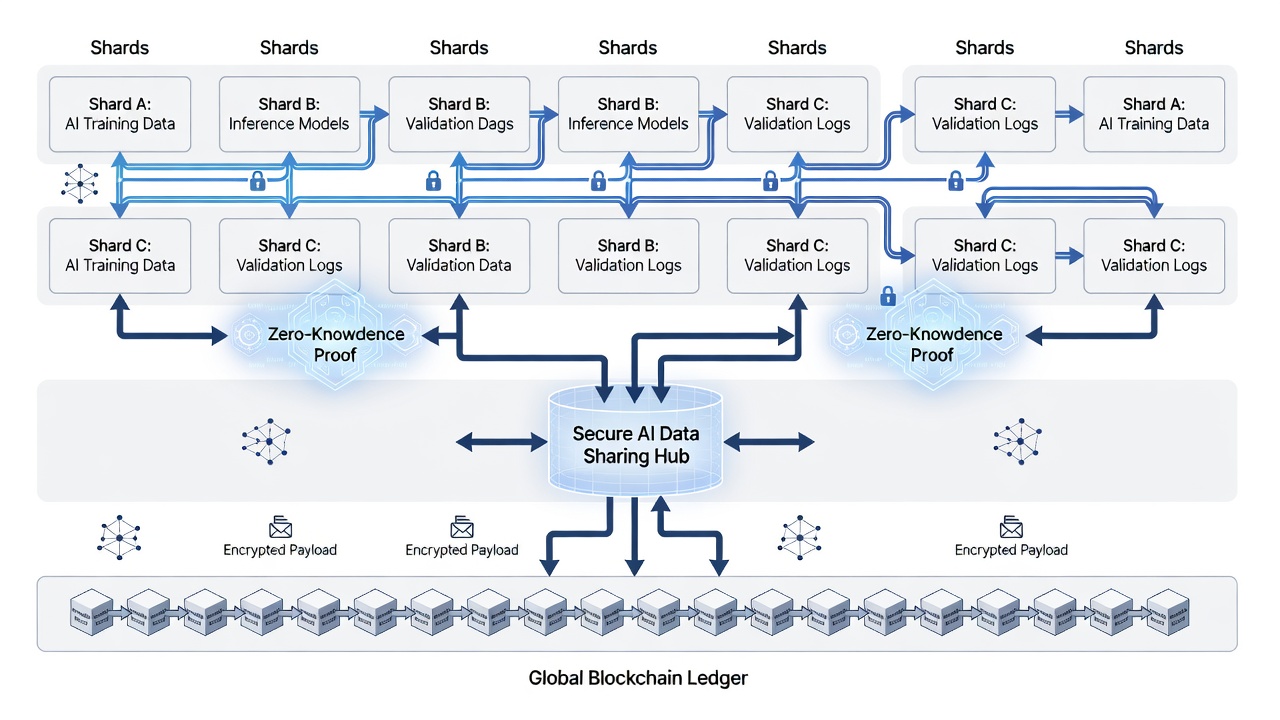
Two standout features define Blockchain 3.0: sharding and zero-knowledge proofs. Sharding partitions the network into smaller segments, allowing parallel processing that dramatically increases transaction speeds. Zero-knowledge proofs enable verification of data without exposing sensitive information, critical for AI training on private datasets. Additional upgrades include advanced consensus protocols that reduce latency and enhanced interoperability layers that connect disparate chains seamlessly.
These upgrades facilitate secure cross-industry collaboration. For example, financial institutions can share fraud detection models while keeping transaction details confidential. Developers can now implement modular architectures where AI agents interact directly with blockchain oracles for real-time insights.
Real-World Use Cases in Finance and Healthcare
In finance, Blockchain 3.0 supports decentralized credit scoring systems where AI models train on aggregated anonymized data from multiple banks. This approach reduces bias and improves accuracy compared to single-source models. Healthcare applications include collaborative drug discovery, with hospitals sharing patient insights securely to accelerate research while complying with regulations like HIPAA equivalents worldwide.
Early adopters report faster model convergence times compared to centralized alternatives, highlighting practical benefits in regulated sectors. Supply chain finance also benefits, as AI analyzes shared ledger data to predict disruptions without compromising proprietary information.
Case Studies from Early Adopters
Leading financial firms have piloted Blockchain 3.0 networks for real-time risk analysis. One major bank consortium used sharded ledgers to train anomaly detection models across borders, achieving quicker identification of suspicious patterns. Healthcare consortia are using similar platforms to train diagnostic AI on distributed medical imaging data, achieving compliance with strict privacy standards.
These examples demonstrate tangible improvements in both speed and security over prior decentralized approaches. In one documented pilot, training cycles shortened by integrating zero-knowledge verification, allowing participants to validate results without full data exposure.
Implementation Steps for Enterprises
Enterprises can follow these practical steps to integrate Blockchain 3.0:
- Assess current data infrastructure and identify AI training bottlenecks, including latency issues and compliance gaps.
- Select a compatible platform with sharding support and audit zero-knowledge proof implementations for robustness.
- Partner with network validators to establish governance protocols that define data access rules and dispute resolution.
- Conduct pilot projects focused on non-critical datasets before full deployment, measuring performance metrics at each stage.
- Train internal teams on new consensus mechanisms and monitoring tools to ensure ongoing operational excellence.
- Integrate with existing AI frameworks through APIs and test for end-to-end security.
This structured approach minimizes disruption while maximizing security gains. Companies should also establish metrics for success, such as throughput rates and audit pass rates, to guide scaling decisions.
Potential Regulatory Hurdles
Despite the promise, regulatory challenges remain. Data sovereignty laws in various regions may require careful network design to avoid cross-border violations. Compliance with emerging AI ethics guidelines also demands transparent auditing features built into the blockchain layer. Policymakers continue to refine frameworks that address liability in decentralized environments.
Stakeholders are advised to monitor updates from bodies like the National Institute of Standards and Technology for evolving standards. Engaging legal experts early in the process helps navigate these complexities effectively.
Expert Forecasts for the Coming Years
Industry analysts predict widespread mainstream adoption of Blockchain 3.0 for AI by late 2027. Forecasts emphasize continued improvements in interoperability, potentially linking multiple networks for even broader data ecosystems. Security benefits are expected to drive further investment in sectors handling sensitive information. Experts also anticipate hybrid models where Blockchain 3.0 coexists with cloud-based AI services for optimal performance.
Additional predictions from sources like the World Economic Forum highlight how these technologies could reshape global data economies, fostering innovation while mitigating risks associated with centralized control.
Challenges and Limitations to Consider
While promising, Blockchain 3.0 faces hurdles such as initial integration complexity and the need for specialized talent. Network congestion during peak AI workloads can still occur if sharding configurations are suboptimal. Organizations must weigh these against long-term gains in resilience and trust.
FAQ on Security Benefits
- How does Blockchain 3.0 enhance data privacy for AI? Through zero-knowledge proofs that verify computations without revealing underlying data.
- What makes it faster than traditional blockchains? Sharding enables parallel transaction validation, reducing bottlenecks significantly.
- Are there risks with decentralized AI networks? Proper governance and regular audits mitigate most concerns related to network integrity.
- How do enterprises ensure compliance? By embedding regulatory checks into smart contracts and conducting periodic third-party reviews.
Overall, Blockchain 3.0 represents a transformative step toward secure, collaborative AI development across industries, offering enterprises a pathway to innovation with built-in safeguards.


No comments yet. Be the first!