 NeoBit Daily
Introduction to Green IT in 2026
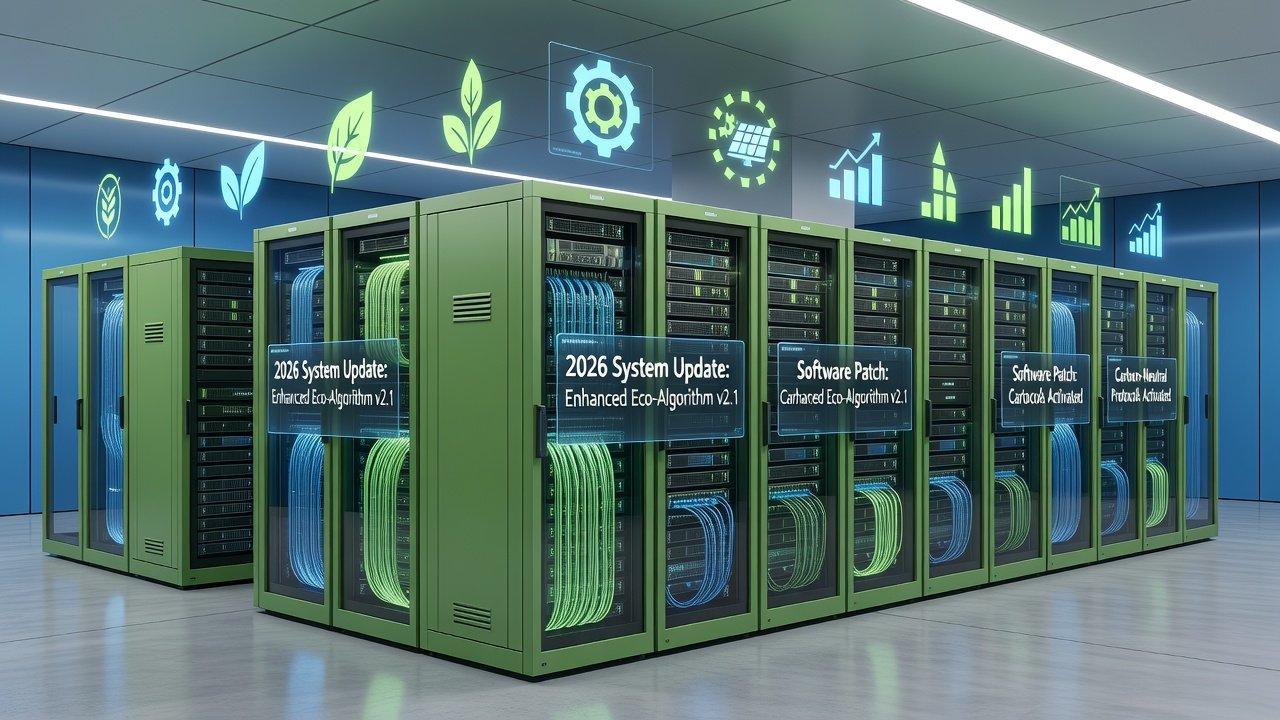
As organizations worldwide prioritize environmental responsibility, 2026 software updates from major operating systems are delivering tangible sustainability gains. These enhancements focus on reducing energy consumption, optimizing hardware use, and improving cloud efficiencies, directly supporting IT teams in lowering carbon emissions. With increasing regulatory pressure and corporate ESG commitments, IT departments are turning to operating system-level changes that make a measurable difference without requiring expensive hardware replacements. This article explores the latest features across Windows, macOS, and Linux, practical adoption strategies, real-world results, and measurable benefits for eco-conscious businesses seeking both environmental impact and operational efficiency.
Power Management Enhancements Across Platforms
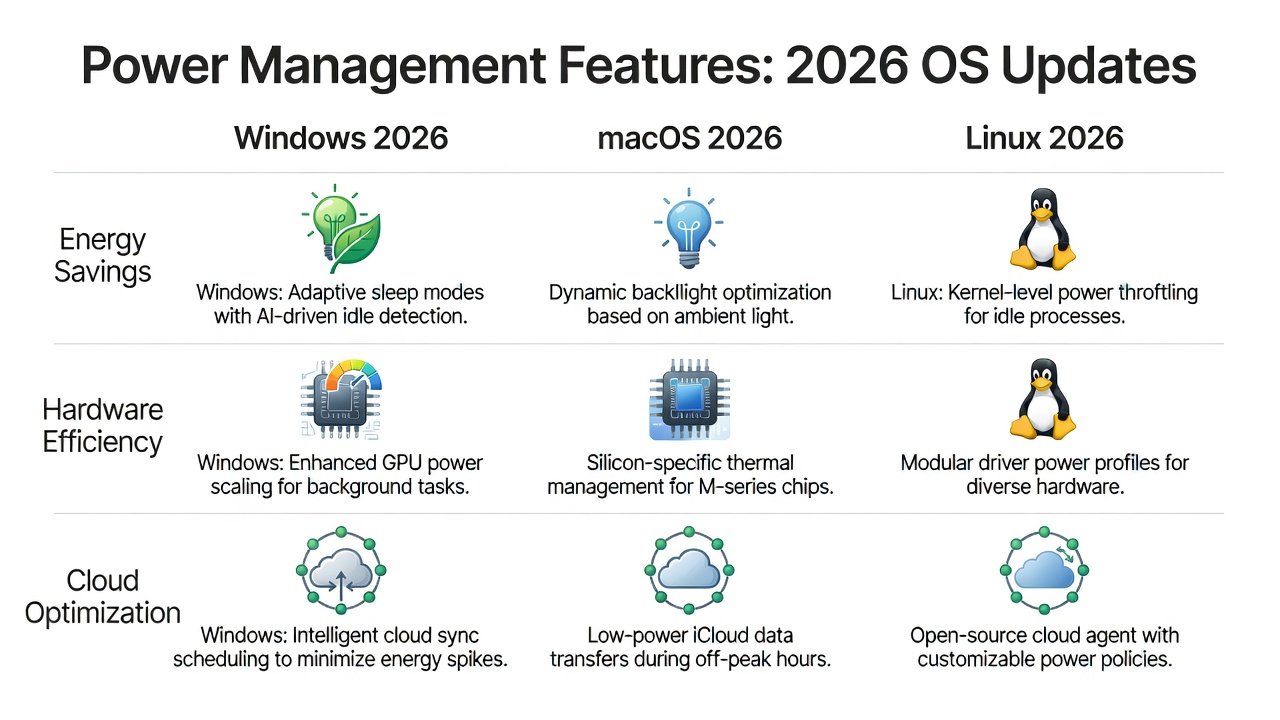
Windows 11 2026 edition introduces advanced AI-driven power scheduling that dynamically adjusts CPU and GPU usage based on workload patterns, automatically throttling non-essential processes during off-peak hours. This feature builds on previous versions by incorporating machine learning models trained on enterprise usage data to predict and prevent energy spikes. macOS Sequoia 2026 refines its energy saver modes with better integration for Apple Silicon chips, extending battery life while minimizing idle power draw through intelligent background app management and enhanced thermal throttling. Linux distributions like Ubuntu 26.04 and Fedora 42 incorporate kernel-level improvements for finer control over sleep states and peripheral power gating, allowing administrators to set granular policies for servers and workstations alike.
Hardware Efficiency Improvements
These updates emphasize compatibility with energy-efficient hardware. For instance, new drivers reduce unnecessary polling of components, leading to lower overall system temperatures and extended device lifespans. Enterprises report reduced e-waste through optimized resource allocation that delays hardware refresh cycles by up to two years in some cases. Additional improvements include better support for modern low-power SSDs and memory modules, along with firmware-level optimizations that reduce leakage current in idle states. IT teams can now leverage built-in diagnostics to identify underutilized hardware and consolidate workloads accordingly.
Cloud optimizations play a key role too. Windows Azure integrations now include smarter workload migration to renewable-powered regions, while macOS and Linux environments benefit from enhanced containerization tools that minimize virtual machine overhead and reduce the carbon intensity of distributed computing tasks.
Evaluation Frameworks for Sustainability
IT teams should adopt structured frameworks such as the Green IT Maturity Model to assess current baselines. Key metrics include kilowatt-hours per user, carbon dioxide equivalent emissions from data centers, and hardware utilization rates. Tools integrated into these OS updates provide dashboards for real-time monitoring, allowing teams to set targets and track progress against industry benchmarks. A recommended approach involves conducting quarterly audits that combine OS telemetry with third-party carbon accounting software, ensuring alignment with global standards for environmental reporting.
Real-World Enterprise Examples
A multinational finance firm implemented Windows 2026 updates across 5,000 endpoints, achieving a 22% reduction in energy use within the first quarter through automated power policies and cloud workload shifts. Similarly, a European tech company using macOS and Linux hybrid environments documented improved compliance with EU sustainability directives through automated reporting features, cutting their data center emissions by 18% over six months. In another case, a North American healthcare provider deployed Linux kernel optimizations on their server fleet, resulting in a 15% drop in cooling costs and better support for remote clinicians who rely on stable, low-power devices during extended telehealth sessions.
Platform Comparisons
- Windows: Strongest in enterprise-scale power policies and Azure cloud ties, making it ideal for large organizations with mixed device fleets. It offers robust group policy controls but may require more initial configuration.
- macOS: Excels in seamless hardware-software optimization for Apple devices, delivering superior battery efficiency and simplified management for creative and mobile teams.
- Linux: Offers unmatched customization for server environments and open-source efficiency tweaks, appealing to organizations prioritizing flexibility and cost control in data centers.
Step-by-Step Adoption Checklist
- Audit current IT infrastructure and establish emission baselines using built-in OS tools and external meters.
- Prioritize pilot deployments on non-critical systems to identify compatibility issues early.
- Enable new power management features via centralized management consoles and test them across representative hardware.
- Train remote teams on updated productivity tools that align with energy-saving modes, emphasizing how these changes support uninterrupted workflows.
- Monitor metrics weekly and adjust configurations based on usage patterns observed in the dashboards.
- Scale rollout organization-wide with compliance checks and documentation of energy savings achieved.
Tracking Energy Savings and Waste Reduction
Use built-in analytics to quantify savings. Common indicators include reduced peak load demands and lower cooling requirements in data centers. These improvements also enhance remote team productivity by ensuring stable performance without excessive power draw during virtual meetings or collaborative sessions. Teams can export reports that tie directly to ESG disclosures, demonstrating both environmental and business value.
Potential Challenges and Mitigation Strategies
While the benefits are clear, organizations may face initial hurdles such as legacy application compatibility or user resistance to new power profiles. Mitigation involves phased testing, clear communication about productivity benefits, and leveraging vendor support resources. Long-term success depends on integrating these updates into broader sustainability roadmaps that include employee engagement and supplier evaluations.
Conclusion
2026 software updates represent a pivotal shift toward sustainable IT practices. By leveraging these features, businesses can achieve meaningful emission reductions while maintaining operational excellence and supporting distributed teams effectively.
FAQs
How do these updates support compliance?
They include automated reporting aligned with standards from bodies like the International Energy Agency.
What is the long-term ROI?
Organizations typically see payback through lower utility costs and extended hardware life within 12-18 months, alongside strengthened brand reputation for sustainability.
Are there risks in adoption?
Minimal when following phased rollouts; always test compatibility first using vendor resources from Microsoft, Apple, and Linux Foundation.
Can these updates improve remote team productivity?
Yes, by optimizing power usage they reduce device throttling during long sessions, leading to smoother performance in collaboration tools.

No comments yet. Be the first!