 NeoBit Daily

Introduction: The Evolution of OS Updates in 2026
In 2026, operating system updates have transformed from top-down engineering decisions into collaborative processes driven by end-user input. IT leaders and product teams now recognize that incorporating direct feedback leads to higher adoption rates, fewer post-release complaints, and stronger user satisfaction. This shift addresses common pain points such as unexpected feature removals or performance regressions that previously frustrated enterprise and consumer users alike. By systematically collecting, analyzing, and prioritizing feedback, organizations create patch notes that reflect real-world needs rather than internal assumptions. This comprehensive approach not only improves technical outcomes but also builds trust between vendors and their communities.
Key Feedback Collection Channels
Successful feedback programs rely on a multi-channel strategy that captures both qualitative insights and quantitative data. In-product surveys trigger after users interact with new features for a defined period, asking targeted questions about usability and value. Dedicated portals such as Microsoft Feedback Hub enable detailed submissions complete with logs, screenshots, and device information. Official community forums foster ongoing discussions where power users highlight recurring issues and suggest enhancements. Telemetry systems provide anonymized usage statistics that reveal patterns invisible in direct reports, such as frequent crashes on specific hardware configurations. Additional channels include beta program surveys, support ticket analysis, and social media monitoring. Integrating these sources into a unified dashboard prevents siloed data and ensures comprehensive coverage of user sentiment across desktop, mobile, and server environments.
Prioritization Frameworks for Patch Notes
Once feedback arrives, teams apply structured frameworks to decide what enters the next release. The RICE model evaluates each item by Reach (how many users benefit), Impact (degree of improvement), Confidence (certainty of data), and Effort (development resources required). MoSCoW categorization sorts requests into Must have, Should have, Could have, and Won't have buckets, helping teams focus on critical fixes first. Security vulnerabilities and accessibility barriers almost always receive top priority due to compliance and risk factors. Usability enhancements rank next, followed by performance optimizations. Cosmetic or niche requests sit lower unless they demonstrate widespread demand. Weekly triage meetings involving product managers, engineers, and support leads maintain momentum. Documenting the rationale for each decision creates transparency that can later appear in public patch notes.
Real-World Examples from Major Operating Systems
Windows 11 2026 updates incorporated thousands of user-submitted suggestions for refining the Start menu layout and File Explorer navigation. Feedback about context menu clutter led to customizable options that reduced clicks for frequent tasks. macOS Sequoia point releases addressed battery drain reports from MacBook users through refined power management algorithms, resulting in measurable improvements during extended video calls. Linux distributions such as Ubuntu and Fedora publish public bug trackers where community votes directly influence kernel patches and desktop environment refinements. For example, GNOME desktop tweaks in recent Fedora releases responded to requests for better multi-monitor support. These cases illustrate how structured feedback loops translate into concrete changes that users notice immediately upon installation.
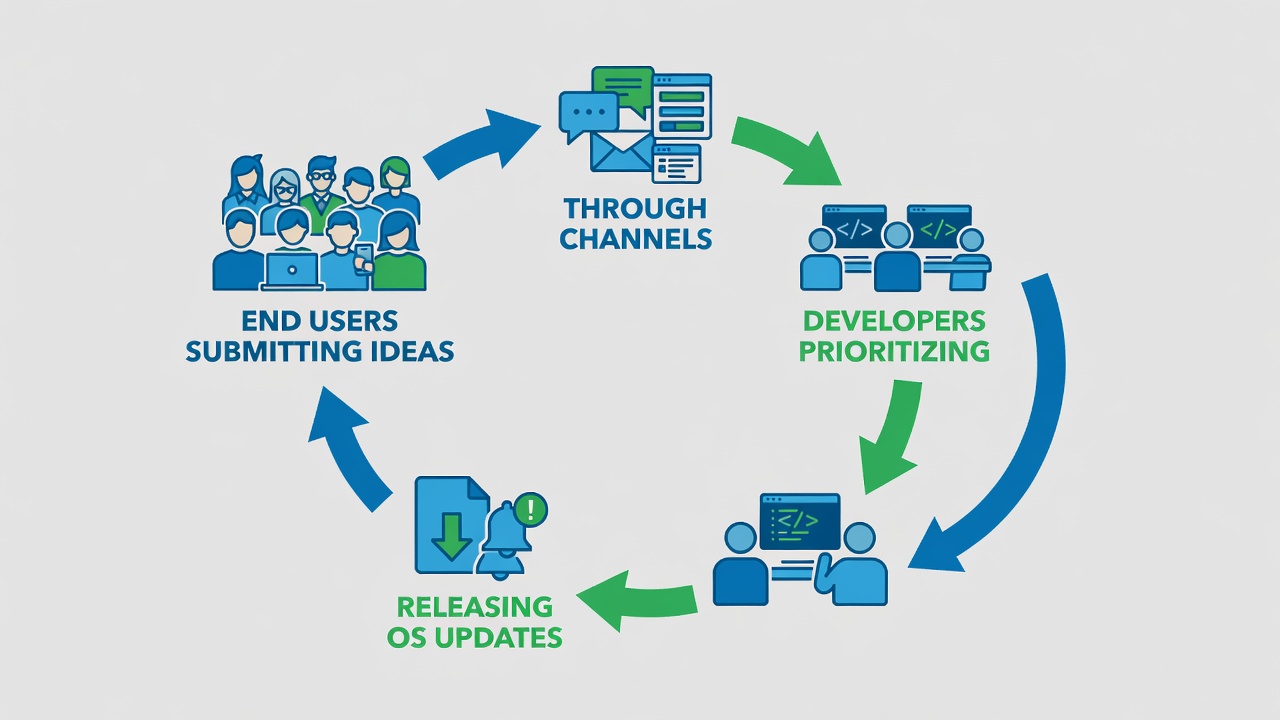
Step-by-Step Analysis Workflows
Implementing a repeatable workflow ensures consistent results. First, aggregate incoming data from all channels into a centralized dashboard that tags entries by category, severity, and platform. Next, apply sentiment analysis tools and keyword clustering to identify emerging trends without manual review of every submission. Map high-volume issues to existing bug trackers so developers can reference original user reports. Run controlled A/B tests on proposed fixes with select beta users to validate impact before wide release. Document accepted changes using clear, user-friendly language for patch notes. Finally, publish the update and monitor post-release metrics such as support ticket volume and satisfaction surveys to confirm success. Repeating this cycle across quarterly releases builds institutional knowledge and refines future prioritization accuracy.
Before-and-After Comparisons of Patch Note Clarity
Traditional patch notes often consisted of dense lists filled with internal codenames and technical jargon that left users confused. Modern versions replace this with plain language, grouped bullet points, and links to deeper explanations. A vague entry about system stability becomes a specific statement: Fixed crashes when opening large PDF files on external monitors, reported by thousands of users across multiple device models. Another example converts a generic performance note into a detailed description of improved file indexing speed on SSDs. This clarity reduces support inquiries, increases perceived value of the update, and encourages users to read release notes thoroughly. Organizations that adopted this style report stronger community engagement and fewer upgrade hesitations.
Practical Checklists for Implementation
- Define feedback intake windows aligned with release cadences to avoid overwhelming teams during active development sprints.
- Train support staff to route common issues into the correct channels while escalating unique reports promptly.
- Maintain version control for all feedback-related decisions so historical context remains available during audits or later reviews.
- Schedule quarterly reviews of channel effectiveness to retire underperforming sources and introduce new ones as user habits evolve.
- Include anonymized user quotes in final release communications to demonstrate that real voices shaped the update.
- Establish escalation paths for high-severity issues that bypass normal prioritization when safety or security is involved.
Common Implementation Hurdles and FAQ
How do we handle conflicting user requests?
Use weighted scoring that factors in user segment size, business impact, and alignment with long-term strategy to resolve conflicts objectively and defensibly.
What tools integrate best with existing ticketing systems?
Platforms offering robust API connections to Jira, ServiceNow, or similar systems allow seamless flow from raw feedback into development tasks without duplicate entry.
How long does full integration typically take?
Most organizations observe initial measurable results within one release cycle of three to four months when beginning with focused pilot programs on a single product area.
What metrics best demonstrate success?
Track reductions in support tickets related to updated features, increases in positive survey responses, and higher upgrade completion rates within the first month of release.
Mistakes to Avoid
Teams sometimes over-rely on vocal minorities in forums while ignoring silent majorities revealed only through telemetry. Another common error is publishing overly technical patch notes that fail to translate engineering changes into user benefits. Neglecting to close the feedback loop by notifying users when their suggestions are implemented reduces future participation. Finally, rushing prioritization without sufficient data validation can lead to fixes that introduce new problems.
Conclusion
By embedding user feedback into every stage of the OS update process, teams deliver patches that genuinely resonate with their audiences. The strategies, detailed examples, expanded workflows, and practical checklists provided here equip IT leaders and product teams to implement data-driven improvements in 2026. Organizations that invest in these practices consistently achieve better adoption and satisfaction outcomes. For further reference, explore resources at Microsoft, Apple, The Linux Kernel Archives, and Ubuntu.

No comments yet. Be the first!