 NeoBit Daily
Introduction to Green IT Wins in 2026 Software Updates
The push for sustainable technology has reached new heights in 2026, with major operating systems embedding energy-efficient capabilities directly into their patch notes. These updates across Windows, macOS, and Linux distributions focus on reducing power consumption, optimizing hardware performance, and lowering carbon footprints for enterprises of all sizes. IT teams now have unprecedented opportunities to align software maintenance with corporate environmental goals, turning routine updates into strategic wins for both efficiency and compliance.
By examining patch notes for power management enhancements, organizations can achieve measurable efficiency gains while supporting broader sustainability initiatives. This comprehensive guide explores the latest features in depth, provides practical auditing methods with step-by-step details, and offers guidance on tracking emission reductions across diverse environments. Real-world adoption stories highlight how companies are already benefiting from these advancements.
Key Energy-Saving Features in 2026 OS Patches
Windows 2026 Updates: Advanced Power Throttling and Beyond
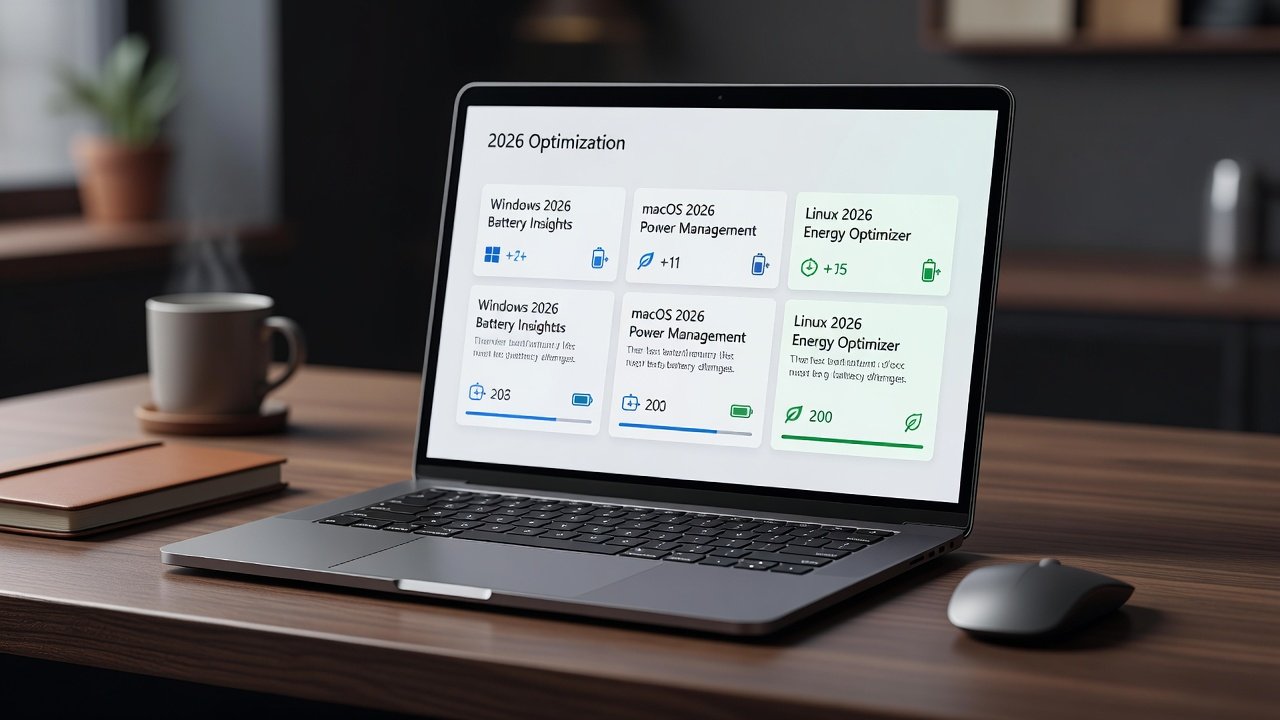
Microsoft's recent patches emphasize intelligent power throttling and dynamic resource allocation that adapt in real time to workload demands. New features include enhanced sleep mode transitions that reduce wake-up latency while cutting idle power draw, alongside AI-driven workload scheduling that minimizes unnecessary CPU cycles during off-peak hours. These changes help servers and endpoints draw less electricity during low-demand periods, with additional improvements in storage subsystem efficiency that lower overall system heat output. IT teams managing mixed Windows fleets can expect better integration with hybrid cloud setups, allowing seamless shifts between local and remote resources without energy spikes.
macOS 2026 Updates: Battery Health and Thermal Optimization
Apple has introduced refined battery health algorithms and improved thermal management in its latest releases. Patches now include better integration with hardware sensors for real-time energy optimization, particularly beneficial for mixed-device environments where laptops and desktops share networks. Enhanced background process management reduces unnecessary app activity, extending hardware lifespan and decreasing replacement cycles. These updates also support better multi-monitor configurations without proportional power increases, making them ideal for creative and professional workflows.
Linux Distributions in 2026: Kernel-Level Efficiency Gains
Popular distros like Ubuntu and Fedora have rolled out kernel-level improvements for power profiling and efficient container orchestration. These updates support granular control over CPU governors and memory management, aiding data center efficiency through features like dynamic voltage scaling and improved I/O scheduling. Examples from enterprise deployments show reduced energy use in virtualized environments where multiple workloads run concurrently. Learn more about open-source sustainability efforts at the Linux Foundation.
Practical Steps for IT Teams to Audit Patch Notes
IT professionals should adopt a systematic approach when reviewing updates for green IT potential. Start by creating a dedicated review process that flags keywords related to power, energy, and efficiency. This ensures no valuable optimization is overlooked during busy update cycles.
- Scan release notes for sections on power management and hardware optimization, paying close attention to any mentions of new APIs or configuration options that allow fine-tuned control.
- Cross-reference changes against current infrastructure baselines using monitoring tools such as built-in performance counters or open-source utilities to establish clear before-and-after comparisons.
- Test patches in staging environments to quantify energy impact before full deployment, running controlled benchmarks that simulate typical daily operations across representative hardware.
- Document findings with metrics such as wattage reductions and runtime efficiencies, creating internal knowledge bases that can guide future decisions.
- Collaborate with vendors for clarification on sustainability claims, requesting detailed whitepapers or case studies where available to validate reported benefits.
Real-world examples include enterprises that leveraged Windows patches to cut data center power draw by optimizing virtual machine migrations, resulting in smoother operations and lower cooling costs. Another case involved Linux teams using new profiling tools to identify and eliminate energy-intensive processes in containerized applications.
Comparisons of Emission Reductions Across Platforms
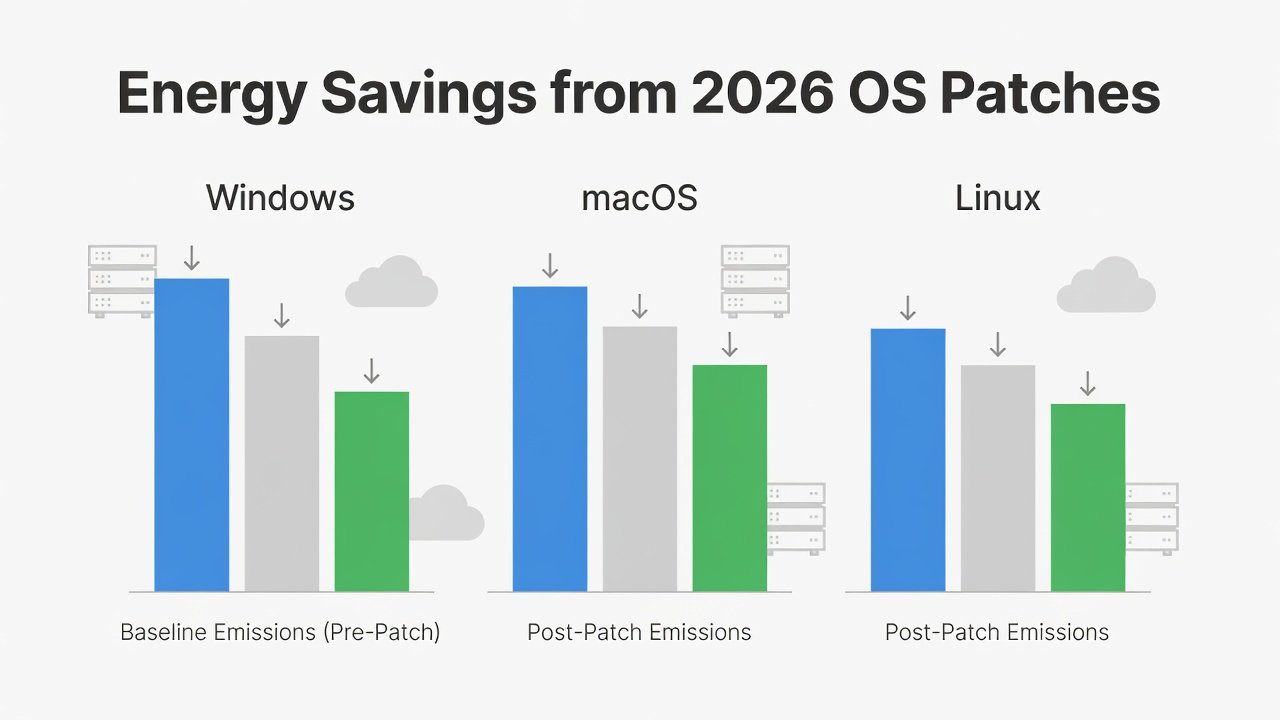
Comparative analysis shows varying benefits depending on the OS ecosystem and deployment scale. Windows environments often report strong gains in cloud-hybrid setups due to advanced throttling that dynamically adjusts based on network conditions. macOS excels in endpoint devices with battery-focused improvements that can extend device usability by noticeable margins in field tests. Linux distributions shine in high-density server scenarios through kernel efficiencies that support denser virtualization without added power overhead. These reductions contribute to overall corporate goals when tracked consistently over multiple quarters, allowing teams to identify which platforms deliver the highest return on sustainability investments.
Cloud Optimization Tactics for Sustainable Updates
Pairing on-premise patches with cloud strategies amplifies results significantly. Techniques include shifting workloads to regions with renewable energy sources and using auto-scaling features that align with efficiency patches to avoid over-provisioning. Major providers offer tools to monitor these optimizations in real time, enabling proactive adjustments. For instance, integrating patch insights with cloud dashboards helps teams correlate software changes with reduced instance runtime. Explore official resources at Microsoft and Apple for implementation guides that detail these integrations.
Simple Measurement Checklist for Energy Gains
To ensure accurate tracking, follow this expanded checklist that combines quantitative and qualitative measures:
- Establish baseline power consumption metrics before applying patches by logging data over at least two weeks of normal operations.
- Monitor post-update changes using built-in OS tools and third-party analyzers, setting alerts for any unexpected deviations.
- Calculate emission equivalents using standard conversion factors from recognized environmental bodies to translate energy savings into carbon terms.
- Track hardware lifespan extensions from reduced thermal stress, factoring in decreased maintenance needs.
- Review cloud billing reports for correlated efficiency improvements that may appear as lower usage fees over time.
- Update internal dashboards quarterly to reflect cumulative savings and share progress with leadership teams.
This structured approach prevents oversight and builds a reliable data foundation for reporting.
Integrating Insights into Corporate Sustainability Reports
Translate patch-driven efficiencies into reportable data by aligning metrics with frameworks like GRI or SASB. Include before-and-after comparisons, vendor-specific examples from Windows, macOS, and Linux deployments, and projected long-term impacts based on pilot results. This integration demonstrates proactive environmental stewardship to stakeholders and can strengthen ESG ratings. Teams should also consider adding training modules for staff to maintain momentum across future update cycles.
Frequently Asked Questions on Eco-Conscious Rollouts
How do we handle compatibility issues during green patch deployments?
Test thoroughly in isolated environments and phase rollouts gradually while monitoring performance indicators to catch issues early and minimize disruption.
What if emission data is not directly provided in patch notes?
Use third-party benchmarking tools and consult vendor support for estimated impact analyses that can be validated through internal measurements.
Can small teams implement these audits effectively?
Yes, by prioritizing high-impact systems and leveraging automated scanning scripts for efficiency, even resource-limited groups can achieve meaningful results.
What challenges arise with multi-platform environments?
Standardizing monitoring across operating systems requires initial setup time but yields unified reporting that simplifies executive summaries.
How often should sustainability metrics be reviewed post-update?
Conduct initial reviews within 30 days and follow up quarterly to capture seasonal variations and long-term trends accurately.
Conclusion
2026 patch notes represent a pivotal moment for green IT, offering concrete tools for sustainable software management across Windows, macOS, and Linux. By auditing diligently, comparing outcomes across platforms, optimizing cloud usage, and embedding results into reports, IT teams can drive meaningful environmental progress while enhancing operational resilience and preparing organizations for future regulatory expectations.

No comments yet. Be the first!