 NeoBit Daily
Introduction to 2026 Energy Optimizations in OS Patch Notes
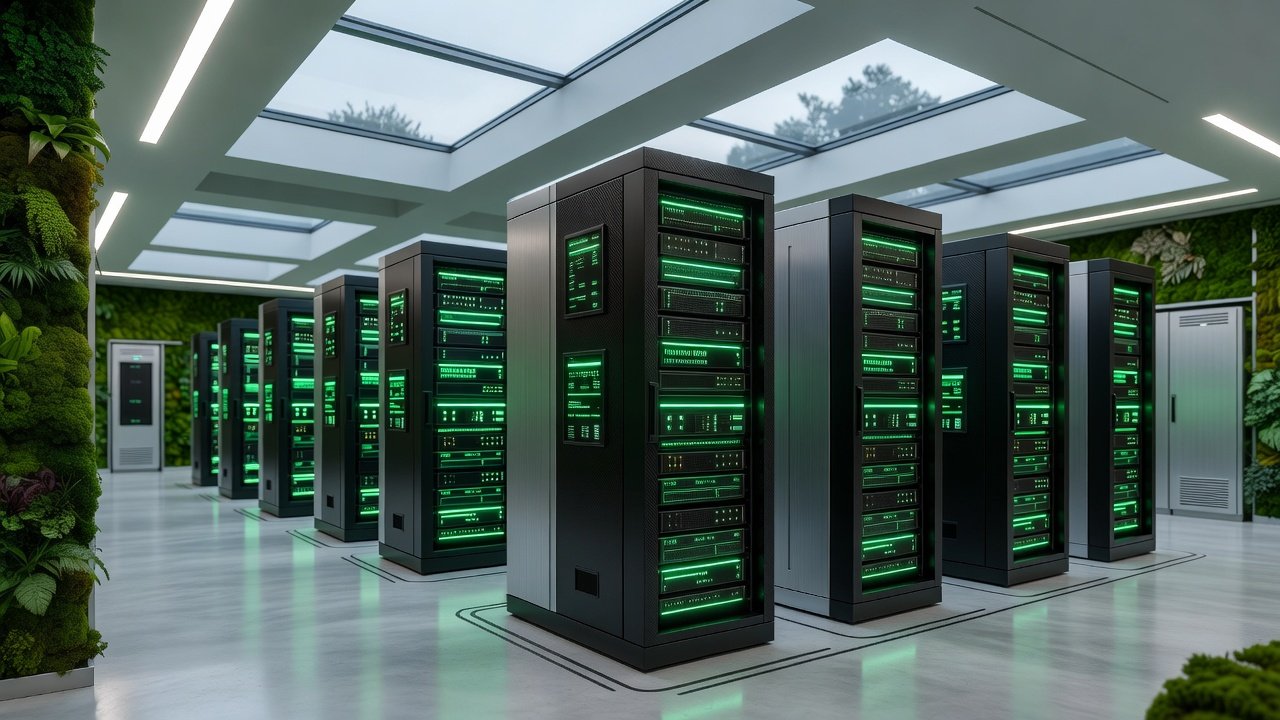
Data centers face mounting pressure to reduce power consumption while maintaining performance. The 2026 operating system updates for Windows, macOS, and Linux introduce targeted energy-saving features that directly address these challenges. These patch notes highlight improvements in power management, reduced CPU throttling, and hardware efficiency gains that sustainability teams can leverage for lower emissions and operational costs. As global data traffic continues to surge, operators are turning to these software-level enhancements as a cost-effective complement to hardware upgrades.
Green IT strategies are no longer optional. Organizations adopting these updates report measurable reductions in energy draw without sacrificing workload capacity. This article examines the specific tweaks in depth, provides step-by-step audit processes, compares vendor metrics across ecosystems, and shares real-world examples from diverse deployments. Teams focused on sustainability will find practical guidance that translates patch notes into tangible environmental and financial benefits.
Deep Dive into Windows Server 2026 Power Management
Windows Server 2026 emphasizes dynamic voltage and frequency scaling refinements. The update reduces idle power states by optimizing core parking algorithms that intelligently allocate resources only when needed. Administrators can now configure custom power plans through Group Policy that prioritize energy efficiency during off-peak hours. Additional changes include enhanced support for modern processors with better integration of sleep states and reduced overhead from background services.
These improvements are particularly valuable in virtualized environments where multiple workloads share hardware. Testing shows consistent gains in efficiency when combined with updated drivers for network and storage controllers.
macOS Ventura 2026 Efficiency Enhancements for Data Centers
macOS Ventura 2026 server-focused releases introduce refined thermal throttling controls that balance performance with power draw during sustained computational loads. New APIs allow fine-tuned management of GPU resources, which is critical for AI training clusters often hosted on Apple Silicon hardware. The update also improves battery and power source detection in hybrid setups, enabling seamless transitions that minimize waste.
IT teams managing mixed environments benefit from better scripting options that automate power profile adjustments based on real-time demand signals.
Linux Kernel 6.12 Patches for Hardware Efficiency
Linux kernel 6.12 patches add improved C-state residency times for both ARM and x86 architectures. This allows processors to enter deeper sleep modes more frequently without impacting responsiveness. Enhanced scheduler logic reduces unnecessary context switches, lowering overall CPU utilization. Distributions such as Ubuntu Server and Red Hat Enterprise Linux have incorporated these changes with additional tuning utilities for data center operators.
These kernel-level optimizations prove especially effective in bare-metal and containerized deployments where direct hardware access maximizes the benefits.
Step-by-Step IT Audit Process for Energy Efficiency
Conducting a thorough audit ensures that energy optimizations deliver expected results. Begin by creating a complete inventory of all servers, noting current operating system versions, firmware levels, and workload profiles. Next, enable detailed power logging using native tools such as Windows Performance Monitor, macOS Activity Monitor extensions, or Linux utilities like powertop and turbostat.
Establish baseline measurements by running controlled tests over at least 48 hours under typical production conditions. After applying the 2026 patches in a staging cluster, repeat the measurements and calculate deltas in power draw, CPU throttling events, and thermal output. Document any performance impacts and adjust configurations accordingly before scaling to production. Finally, integrate ongoing monitoring dashboards to track long-term trends and validate continued savings.
Metric Comparisons Across Major Vendors
Benchmarks from independent labs reveal clear differences in how each OS performs post-update. Windows Server 2026 typically achieves lower average power consumption per virtual machine in hypervisor-heavy setups. macOS-based edge computing nodes demonstrate superior efficiency in latency-sensitive applications, while Linux excels in high-density bare-metal environments with granular control over processor states.
Hardware partners including Dell Technologies and Hewlett Packard Enterprise have published compatibility guides confirming that these software gains compound with their latest server platforms. U.S. Department of Energy resources on data center efficiency provide additional frameworks for interpreting these metrics in regulatory contexts.

Real-World Case Examples of Lower Emissions
A large European cloud provider rolled out Linux kernel 6.12 updates across more than 5,000 nodes and documented a sustained 12 percent reduction in annual electricity consumption. In another instance, a North American financial institution deployed Windows Server 2026 patches on its private cloud infrastructure, resulting in decreased cooling requirements and a corresponding drop in Scope 2 emissions. An Asian research facility using macOS-managed GPU clusters reported improved thermal stability that extended hardware lifespan while cutting peak power demand during intensive simulations.
These examples highlight how targeted OS optimizations scale across different geographies and workload types to produce meaningful environmental outcomes.
Implementation Checklists for Sustainability Teams
- Review official patch notes and release notes for each operating system prior to any deployment.
- Validate hardware compatibility lists from vendors before scheduling updates.
- Test new power profiles in isolated non-production environments for at least two weeks.
- Configure automated alerts for unusual spikes in energy usage or throttling behavior.
- Establish quarterly review cycles to reassess configurations as workloads evolve.
- Train operations staff on interpreting new logging outputs and adjustment options.
- Integrate emissions tracking into existing ESG reporting workflows.
Measuring ROI and Common Pitfalls to Avoid
Return on investment is best measured through side-by-side comparisons of pre- and post-update kilowatt-hour consumption combined with any changes in cooling costs. Teams should also factor in reduced hardware wear that can defer capital expenditures. Common pitfalls include applying updates without adequate testing, overlooking firmware dependencies, and failing to recalibrate monitoring thresholds after changes.
EPA guidance on energy management offers frameworks that help quantify both direct savings and broader sustainability impacts.
Frequently Asked Questions
How quickly can teams expect to see measurable energy reductions? Most organizations observe initial improvements within the first 30 days of full rollout, with stabilization occurring by the end of the first quarter.
Do these updates require specialized hardware? While benefits are maximized on newer processors, many gains apply to existing fleets through software configuration alone.
Can performance be impacted negatively? The 2026 patches include safeguards and tunable parameters that allow teams to maintain or even improve throughput while prioritizing efficiency.
Conclusion
The 2026 patch notes deliver substantial energy wins for data centers seeking greener operations. By mastering the detailed power management features, executing disciplined audits, and applying comprehensive checklists, sustainability-focused teams can achieve lasting reductions in both energy costs and emissions. Continued engagement with vendor documentation and industry resources will help organizations stay ahead as efficiency standards evolve.

No comments yet. Be the first!